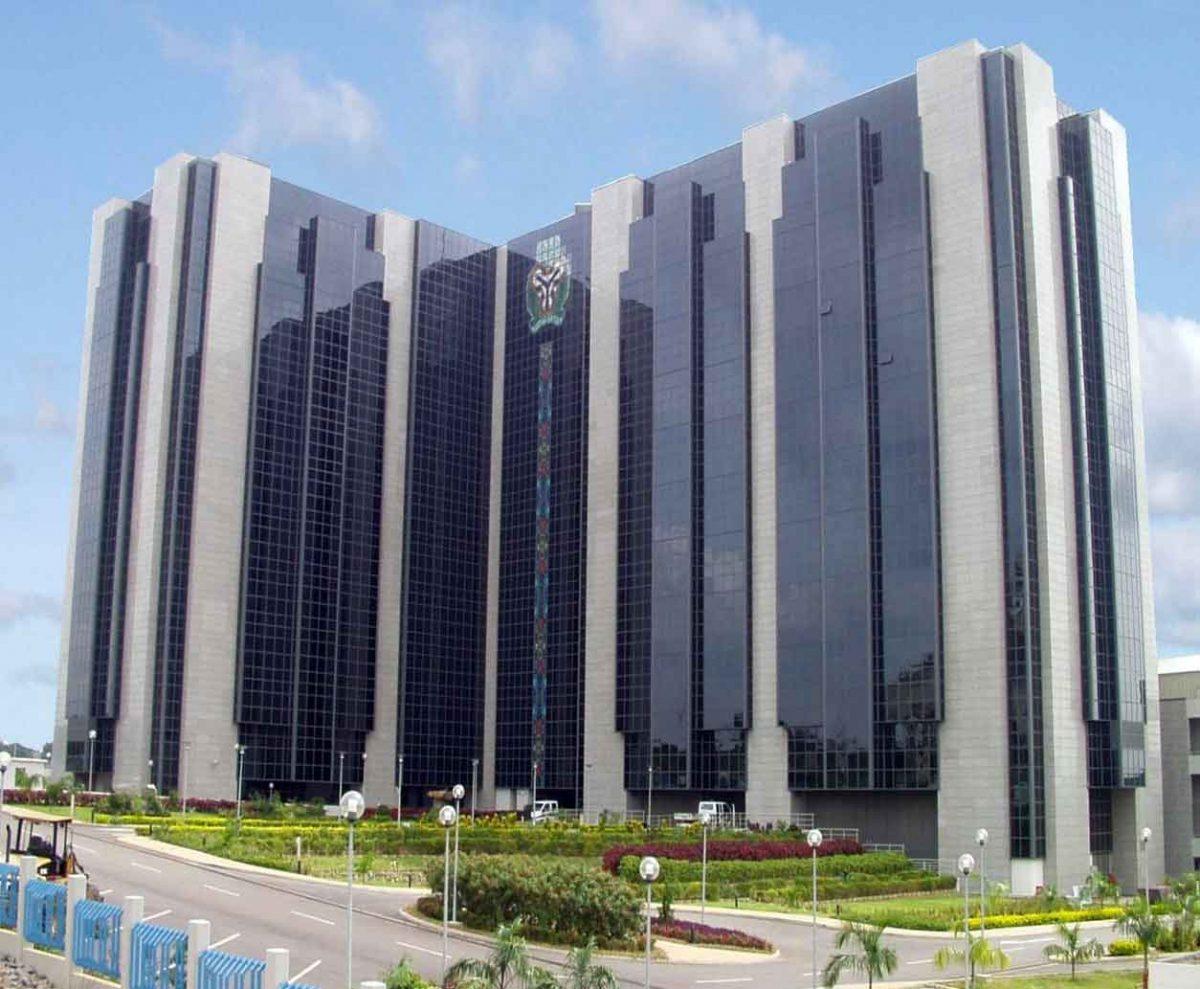
Nigeria’s banking sector is undergoing a major shake-up as the Central Bank of Nigeria (CBN) pushes forward with its recapitalisation programme. At the conclusion of the Monetary Policy Committee (MPC) meeting in Abuja, CBN Governor Olayemi Cardoso announced that 16 banks have successfully met the new capital requirements, while 27 others are still in the process of raising funds Business Hallmark Leadership Arise News.
The recapitalisation policy, which requires commercial banks to raise their minimum capital base to ₦500 billion, is designed to strengthen the resilience of Nigeria’s financial system. Cardoso explained that the CBN is closely monitoring the recapitalisation process to ensure that banks build adequate buffers against economic shocks. The policy is expected to take full effect by March 31, 2026 Leadership aljazirahnews.com.
Context and Implications (woven into the narrative)
The recapitalisation drive comes at a time of high inflation and currency volatility, with the CBN also voting to retain the benchmark interest rate at 27% to stabilize the economy. Analysts say the move will consolidate the banking sector, potentially leading to mergers and acquisitions among smaller banks that struggle to meet the new capital threshold.
For depositors, the recapitalisation is intended to safeguard funds and boost confidence in the financial system. For investors, it signals opportunities in banks raising equity through public offers or rights issues. However, the pressure on weaker banks could reshape Nigeria’s financial landscape, reducing the number of players but creating stronger institutions overall.
Cardoso emphasized that the recapitalisation is not just about compliance but about future-proofing Nigeria’s banks against global financial risks. He assured Nigerians that the CBN will continue to provide oversight to ensure stability throughout the transition.
Sources: