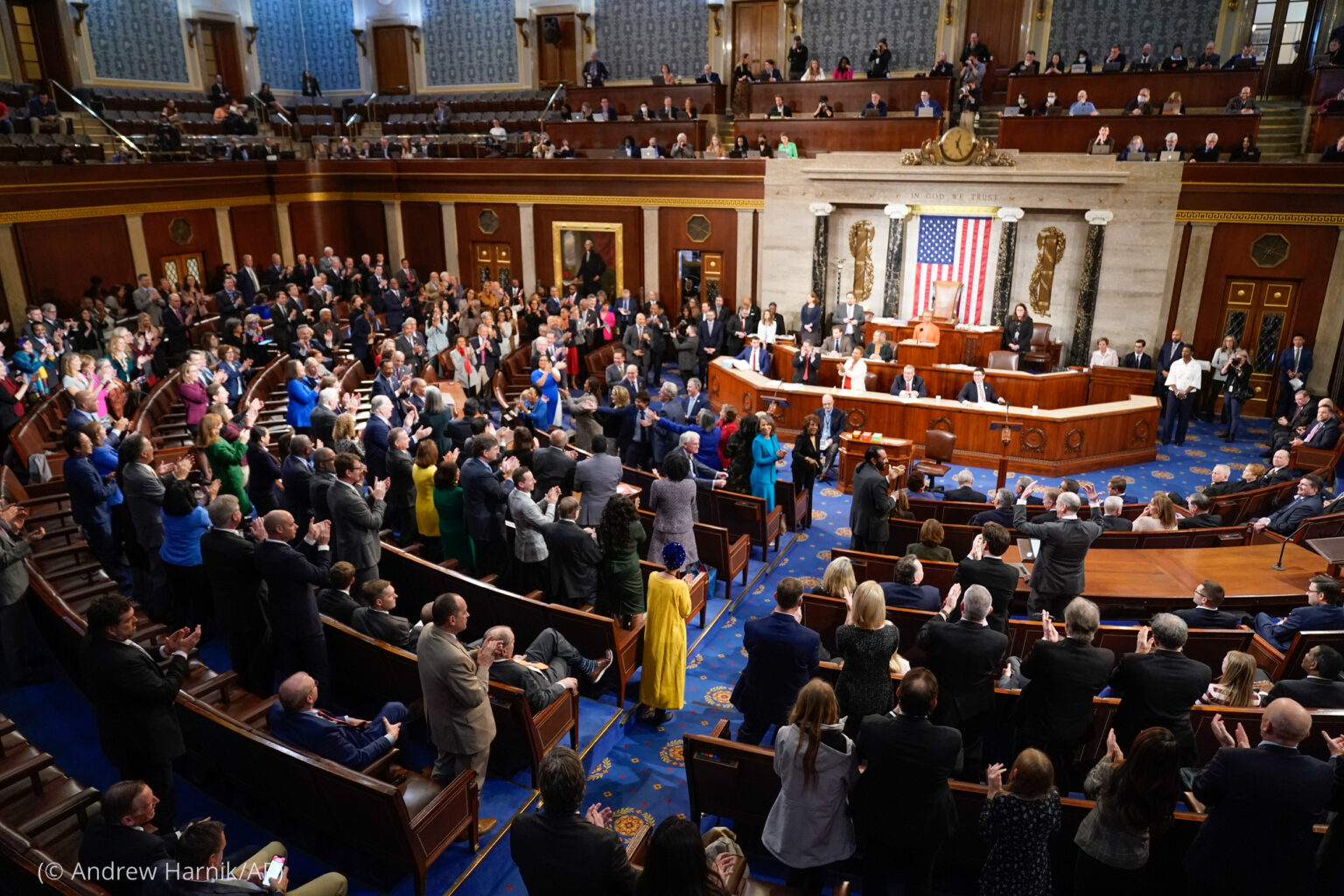
The United States Congress is grappling with deep divisions over Nigeria’s recent redesignation as a Country of Particular Concern (CPC), a label reserved for nations accused of severe violations of religious freedom. The designation, reinstated by President Donald Trump, has reignited debate in Washington about how to interpret Nigeria’s complex security crisis and what policy responses should follow.
At a public hearing convened by the House Foreign Affairs Subcommittee on Africa, lawmakers, religious leaders, human rights advocates, and U.S. Department officials presented conflicting perspectives. Some witnesses described the violence in Nigeria’s Middle Belt and northern regions as a “Christian genocide”, pointing to attacks by Boko Haram, Islamic State West Africa Province (ISWAP), and militant herders targeting Christian communities. They argued that Nigeria’s government has failed to protect vulnerable populations, warranting the CPC designation and possible sanctions against Abuja The Punch P.M. News.
Others, however, cautioned against oversimplifying Nigeria’s crisis as purely religious. Experts stressed that the violence is driven by governance failures, ethnic tensions, land disputes, and terrorism, not just religious persecution. They warned that framing the conflict as genocide risks inflaming divisions and undermining diplomatic efforts. “Nigeria’s violence stems from weak institutions and insecurity, not a deliberate state-backed religious war,” one analyst testified Arise News BusinessDay News.
The hearing also drew attention to President Trump’s controversial rhetoric, in which he threatened to send the U.S. military into Nigeria “guns-a-blazing” to stop the alleged atrocities. Lawmakers such as Rep. Chris Smith (R-NJ) supported strong action, while others, including Rep. Sara Jacobs (D-CA), condemned the remarks as reckless and potentially illegal The Punch africaeyenews.ng.
Policy options under discussion include:
Targeted sanctions against Nigerian officials accused of complicity.
Humanitarian assistance to affected communities.
Closer collaboration with Nigerian authorities to strengthen security and accountability.
Nigeria’s government has consistently rejected the genocide claims, insisting that it is tackling terrorism and communal violence through military operations and peacebuilding initiatives. Officials in Abuja have also intensified diplomatic outreach to Washington, urging Congress to adopt a more nuanced view of the crisis.
The split in Congress underscores the difficulty of balancing human rights concerns with strategic U.S.-Nigeria relations. As Africa’s largest democracy and a key security partner, Nigeria’s designation as a CPC could have far-reaching implications for bilateral cooperation, aid, and military support.