Abuja, Dec. 3, 2025 — Human rights activist and publisher of Sahara Reporters, Omoyele Sowore, was on Tuesday arraigned before a Federal High Court in Abuja over an alleged offensive social media post against President Bola Ahmed Tinubu.
Sowore, who contested the 2023 presidential election under the African Action Congress (AAC), was charged with cyberstalking and defamation under Nigeria’s Cybercrime Act. Prosecutors alleged that his recent online post disparaged the President and was capable of inciting public disorder.
During the proceedings, Sowore pleaded not guilty to the charges. His counsel argued that the case was politically motivated and an attempt to silence dissenting voices. The defense maintained that Sowore’s post fell within the ambit of free speech guaranteed by the Nigerian Constitution.
Justice Emeka Nwosu granted Sowore bail on self-recognition, citing his status as a former presidential candidate and public figure. The court ordered him to refrain from making further comments on the matter until the trial resumes. The case was adjourned to January 2026 for continuation of hearing.
The arraignment has sparked debate among civil society groups and opposition parties, many of whom condemned the charges as an infringement on press freedom and democratic rights. The Committee to Protect Journalists (CPJ) and local rights organizations urged the government to respect freedom of expression, warning that criminalizing criticism of public officials could erode Nigeria’s democratic credentials.
Analysts say the case underscores the tension between government efforts to regulate online speech and activists’ insistence on unfettered freedom of expression. While the Cybercrime Act provides legal grounds for prosecuting offensive or harmful digital content, critics argue that its vague provisions are often used to target political opponents.
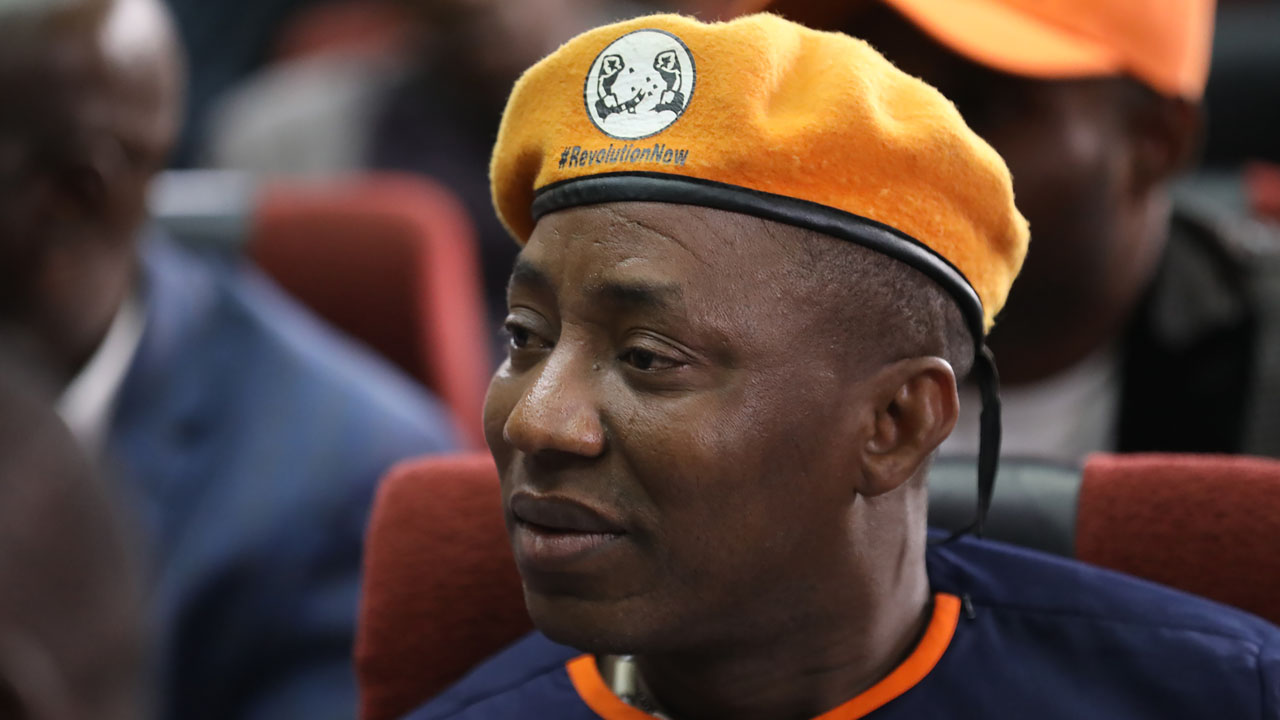
For Sowore, the arraignment adds to a long history of confrontations with Nigerian authorities. He was previously detained in 2019 over his “#RevolutionNow” protests and has remained a vocal critic of successive administrations. His release on self-recognition suggests the court’s acknowledgment of his stature, but the trial is expected to reignite debates over the limits of free speech in Nigeria’s democracy.
Sources: