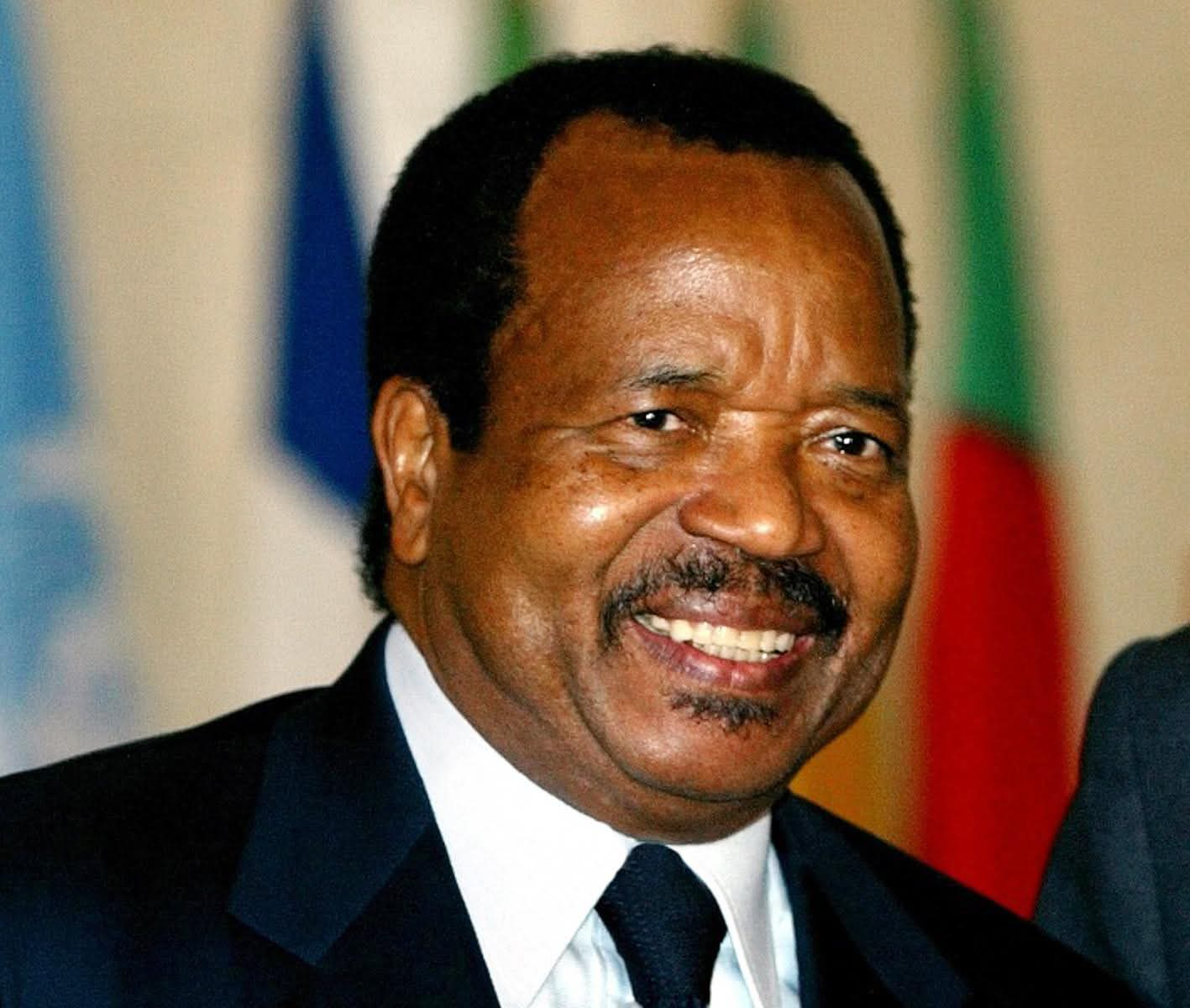
As the world’s oldest head of state, Charles Paul Biya has officially been declared the winner of the October 12, 2025 presidential election in Cameroon, with 53.66 % of the vote according to the Constitutional Council. (AP News) His main challenger, Issa Tchiroma Bakary, claims victory and has rejected the results, calling the process a “masquerade.” (Sahara Reporters)
Despite this official result, the election was marred by violence: at least four protesters were killed, and dozens arrested following clashes in major cities including Douala and Garoua. (The Journal)
Rule Without Limits
Biya first assumed office in 1982 and has maintained his presidency largely uninterrupted, removing term limits in 2008 to pave the way for continued rule. (Africa Confidential) At 92 and now into his eighth term, he could remain President until nearly 100 years old. (Reuters) His advanced age and frequent absences from public life—reportedly spending significant time abroad—have raised serious concerns over his health and capacity to govern. (Africanews)
Opposition Suppressed, Youth Disaffected
The opposition coalition coalesced around Tchiroma following the disqualification of other major challengers like Maurice Kamto, but many observers say the race was predetermined. (Cameroon Intelligence Report) Polling irregularities such as ballot-box stuffing and deceased voters on lists were reported by civil-society groups, and these allegations feed into youth frustration—over 70 % of Cameroonians are under 35. (The Journal)
Stalled Governance, Escalating Conflict
While climate for presidential continuity persists, the country remains embattled by serious crises:
The long-running Anglophone separatist war has killed nearly 7,000 people and displaced over one million.
Boko Haram insurgency continues in the north, and economic inequality remains high despite oil and cocoa wealth. (The Journal)
Analyst Stéphane Akoa lamented:
“We shouldn’t be naïve… the ruling system has ample means at its disposal to get results in its favour.” (Al Jazeera)
Global Implications & Local Risks
Biya’s enduring presidency holds both domestic and international consequences. For Cameroonians, the absence of political renewal risks deepening social fractures and emboldening authoritarian governance. For regional partners, the stability of Central Africa hangs in the balance—weak governance can amplify insurgencies, refugee flows and economic stagnation.