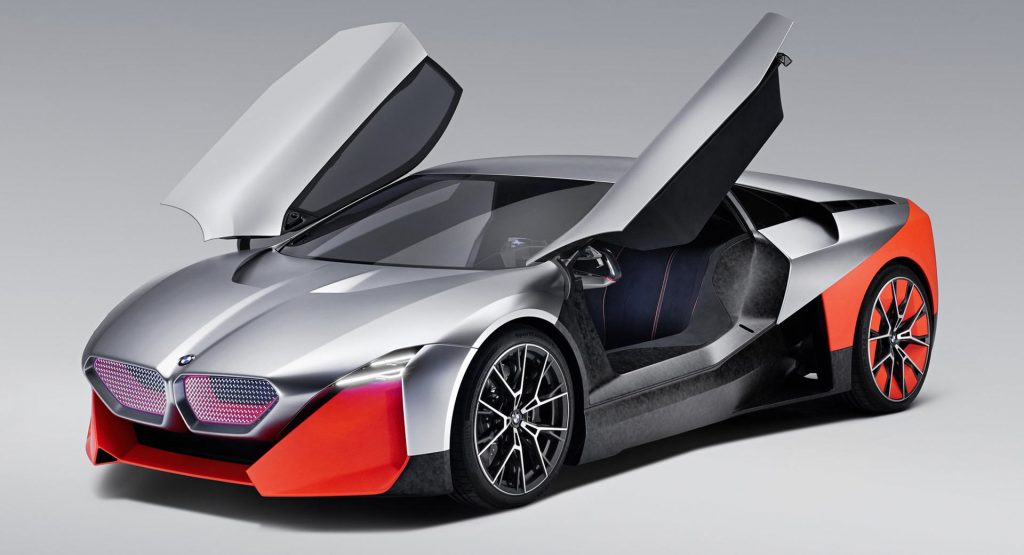
2025 was not just another year in the automotive calendar — it was a turning point. The industry’s long‑promised electric revolution finally became mainstream, with nearly every major manufacturer launching new EVs or hybrids. SUVs dominated the landscape, luxury brands doubled down on electrification, and affordable EVs began to reach mass markets. From Tesla’s refreshed Model 3 to BMW’s i5 Touring, Porsche’s first fully electric Macan, and Rivian’s compact R2 SUV, the cars of 2025 redefined what it means to drive in a world increasingly focused on sustainability, technology, and lifestyle integration.
The Big Picture: What Changed in 2025
Electrification Everywhere: EVs and hybrids accounted for the majority of new launches.
SUV Craze: Large electric SUVs like Hyundai’s Ioniq 7 and Ford’s Explorer EV dominated.
Luxury EV Expansion: Porsche, BMW, Mercedes, and Audi expanded their electric portfolios.
Performance Hybrids: Ferrari and Lamborghini balanced electrification with heritage performance.
Affordable EVs: Rivian R2, VW ID.7 Tourer, and Peugeot e‑3008 targeted mainstream buyers.
Major Cars Released in 2025
Brand | Model (2025) | Segment / Notes |
|---|---|---|
Tesla | Model 3 Refresh, Model Y update | EV refreshes with improved range |
BMW | i5 Touring, X3 EV | Premium electric sedan & SUV |
Mercedes | EQS SUV facelift, GLC update | Luxury EV SUV, refreshed compact SUV |
Audi | A6 e‑tron, Q6 e‑tron | New EV sedan and SUV |
Porsche | Macan EV | First fully electric Macan |
Volkswagen | ID.7 Tourer, Golf facelift | EV wagon, refreshed hatchback |
Toyota | Prius 2025, bZ4X update | Hybrid icon refresh, EV SUV update |
Ford | Explorer EV, Mustang Mach‑E facelift | Family EV SUV, sporty EV refresh |
Hyundai | Ioniq 7, Kona EV update | Large EV SUV, compact EV refresh |
Kia | EV5, EV9 update | Mid‑size EV SUV, flagship SUV refresh |
Honda | Prologue EV, Civic facelift | First global EV SUV, refreshed compact |
Nissan | Ariya update, Qashqai facelift | EV crossover, popular SUV refresh |
Peugeot | e‑3008, 208 facelift | EV SUV, refreshed hatchback |
Jaguar | I‑Pace 2025 | Updated luxury EV crossover |
Land Rover | Range Rover EV prototype | First electric Range Rover |
Ferrari | SF90 successor (hybrid) | High‑performance hybrid supercar |
Lamborghini | Lanzador EV concept | First electric Lamborghini coupe |
Maserati | GranTurismo Folgore | Luxury EV coupe |
Volvo | EX30, EX90 | Compact and flagship EV SUVs |
Lucid | Gravity SUV | Luxury EV SUV |
Rivian | R2 compact SUV | Affordable EV SUV option |
Brand‑by‑Brand Deep Dive
Tesla
Tesla’s 2025 lineup focused on refreshes rather than revolutions. The Model 3 Refresh introduced a sleeker design, improved aerodynamics, and a range boost to nearly 400 miles. The Model Y update added AI‑driven autopilot enhancements and a more refined interior. While not groundbreaking, these updates kept Tesla competitive against newer rivals.
BMW
BMW leaned into electrification with the i5 Touring, a premium EV wagon offering luxury and practicality. The X3 EV targeted the mid‑size SUV market, combining BMW’s driving dynamics with electric efficiency. BMW’s strategy was clear: electrify core models while maintaining brand identity.
Mercedes‑Benz
Mercedes refreshed its flagship EQS SUV, improving range and interior tech. The GLC update brought electrification to one of its most popular compact SUVs. Mercedes emphasized luxury, with AI‑powered infotainment and sustainability features like recycled interior materials.
Audi
Audi’s A6 e‑tron debuted as a sleek electric sedan, while the Q6 e‑tron expanded its EV SUV lineup. Both models showcased Audi’s design language and advanced driver assistance systems. Audi positioned itself as a premium EV competitor to BMW and Mercedes.
Porsche
The Macan EV was Porsche’s headline launch. As the brand’s first fully electric Macan, it combined performance with practicality. With over 600 horsepower and a range exceeding 300 miles, it proved Porsche could electrify without losing its soul.
Volkswagen
VW launched the ID.7 Tourer, an EV wagon aimed at families, and refreshed the Golf, keeping its iconic hatchback relevant. VW’s focus was affordability and practicality, making EVs accessible to mainstream buyers.
Toyota
Toyota updated the Prius, maintaining its hybrid leadership while adding AI‑driven efficiency tools. The bZ4X update improved range and charging speeds, signaling Toyota’s cautious but steady EV expansion.
Ford
Ford’s Explorer EV targeted families with a spacious, practical SUV. The Mustang Mach‑E facelift refined design and performance, keeping Ford competitive in the sporty EV segment.
Hyundai
Hyundai’s Ioniq 7 was a standout — a large EV SUV with futuristic design and advanced AI features. The Kona EV update refreshed its compact EV, balancing affordability with tech.
Kia
Kia launched the EV5, a mid‑size SUV, and updated the EV9, its flagship electric SUV. Kia’s EVs emphasized design, affordability, and strong range.
Honda
Honda’s Prologue EV marked its first global EV SUV, while the Civic facelift modernized its iconic compact. Honda’s EV push was cautious but significant.
Nissan
Nissan updated the Ariya, improving range and charging, and refreshed the Qashqai, a popular SUV. Nissan’s focus was on practical EVs for everyday drivers.
Peugeot
Peugeot’s e‑3008 was a stylish EV SUV, while the 208 facelift kept its hatchback competitive. Peugeot emphasized design and affordability.
Jaguar & Land Rover
Jaguar updated the I‑Pace, its luxury EV crossover. Land Rover teased the Range Rover EV prototype, signaling electrification of its iconic SUV.
Ferrari & Lamborghini
Ferrari launched a successor to the SF90 hybrid, blending electrification with performance. Lamborghini unveiled the Lanzador EV concept, its first electric coupe. Both brands balanced heritage with future tech.
Maserati
Maserati’s GranTurismo Folgore was a luxury EV coupe, combining Italian design with electrification.
Volvo
Volvo expanded its EV lineup with the EX30 (compact SUV) and EX90 (flagship SUV). Safety and sustainability remained core.
Lucid
Lucid launched the Gravity SUV, a luxury EV with long range and advanced tech.
Rivian
Rivian’s R2 compact SUV targeted affordability, aiming to bring EVs to a wider audience.
Trends in Detail
Electrification
Nearly every brand launched EVs or hybrids. The industry’s shift was undeniable, with governments pushing regulations and consumers demanding sustainability.
SUVs Dominate
SUVs were the most common segment, reflecting consumer demand for space and versatility.
Luxury EVs
Premium brands emphasized electrification without sacrificing performance or luxury.
Affordable EVs
Mainstream brands like VW, Peugeot, and Rivian targeted affordability, crucial for mass adoption.
Performance Hybrids
Supercar brands balanced electrification with performance, ensuring heritage wasn’t lost.
Expanded Summary Table
Category | Representative Models (2025) | Defining Features |
|---|---|---|
Flagship EVs | Tesla Model 3 Refresh, BMW i5 Touring, Audi A6 e‑tron | Long range, premium design |
Luxury SUVs | Mercedes EQS SUV, Porsche Macan EV, Lucid Gravity | High‑end interiors, advanced tech |
Affordable EVs | VW ID.7 Tourer, Peugeot e‑3008, Rivian R2 | Practical, accessible pricing |
Performance Hybrids | Ferrari SF90 successor, Lamborghini Lanzador | Electrification + heritage performance |
Compact EVs | Hyundai Kona EV, Nissan Ariya update, Volvo EX30 | Everyday usability, strong value |
Final Thoughts
2025 will be remembered as the year the automotive industry crossed a threshold. Electric vehicles were no longer niche experiments or luxury novelties — they became the backbone of new launches across every segment, from compact hatchbacks to supercars. SUVs dominated the conversation, reflecting consumer demand for space and versatility, while luxury brands proved that electrification doesn’t mean sacrificing performance or prestige.
At the same time, affordability began to matter more than ever. Models like the Rivian R2, VW ID.7 Tourer, and Peugeot e‑3008 showed that EVs can be practical and accessible, not just aspirational. Supercar makers like Ferrari and Lamborghini balanced heritage with innovation, ensuring that electrification could coexist with emotional driving experiences.
For drivers, the choice in 2025 wasn’t simply about horsepower or styling — it was about how seamlessly a car integrates into modern life. Range, charging infrastructure, AI‑driven assistance, and sustainability became as important as torque figures and badge prestige.
The takeaway is clear: 2025 was the year cars stopped being defined by combustion and started being defined by intelligence, sustainability, and lifestyle fit. Whether you’re a family seeking a spacious EV SUV, a commuter wanting an affordable hatchback, or a collector chasing electrified performance, the automotive landscape of 2025 offered something transformative.
Sources: Motor1 – New Cars 2025 Calendar, Autocar – New Cars 2025, Wikipedia – Cars Introduced in 2025