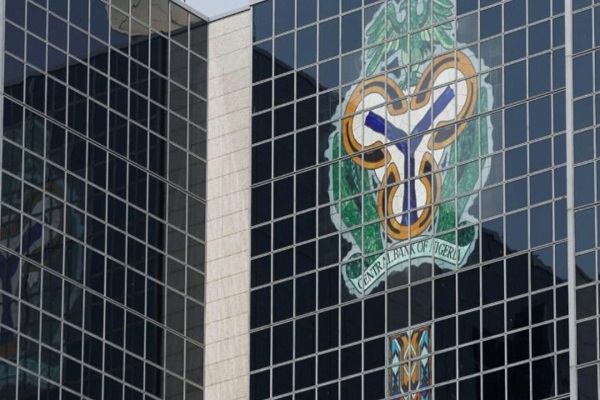
The Central Bank of Nigeria (CBN) has reiterated that the recapitalisation of banks is a strategic pillar in the Federal Government’s plan to grow Nigeria’s economy to $1 trillion by the year 2030. This affirmation was made by CBN Deputy Governors Philip Ikeazor and Emem Usoro at separate high-level industry events in Abeokuta and Abuja.
Speaking at the retreat of the Association of Corporate Affairs Managers of Banks, Ikeazor, represented by Ibrahim Hassan, described the recapitalisation effort as “a journey, not a destination.” He stressed that the goal is not just to create larger banks, but better banks—ones that are safe, sound, innovative, and inclusive The Punch.
Meanwhile, Usoro, addressing the Finance Correspondents Association of Nigeria, highlighted that the recapitalisation policy is a critical step toward unlocking credit expansion and strengthening the financial system. She noted that the CBN had earlier revised the minimum capital requirements for banks, with international banks now required to hold at least ₦500 billion in capital The Whistler Newspaper.
The recapitalisation exercise, which began on April 1, 2024, is scheduled to run until March 31, 2026. It affects commercial, merchant, and non-interest banks, with tiered capital thresholds based on their operational scope The Guardian Nigeria News.
According to the CBN, well-capitalised banks will be better positioned to support infrastructure development, industrial growth, and financial inclusion—key drivers of the $1 trillion economic vision Premium Times.