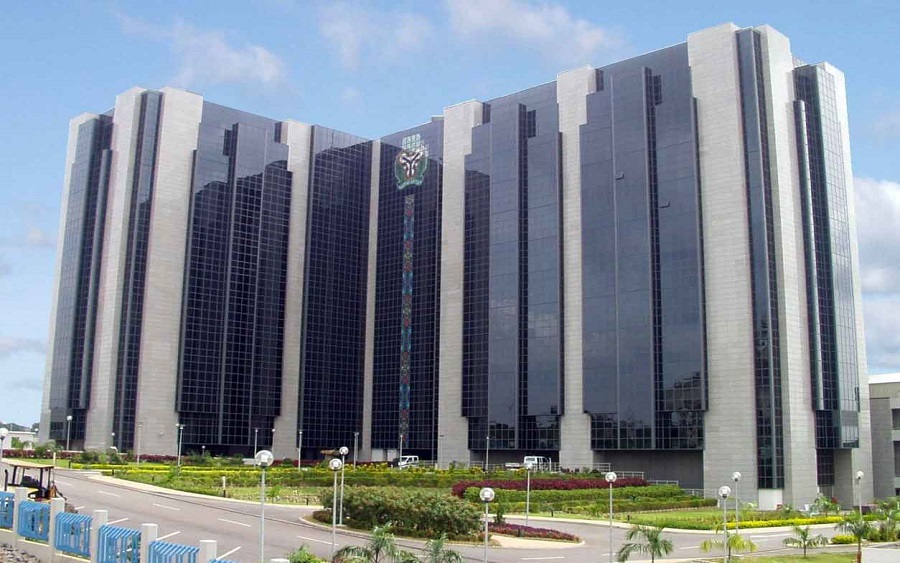
The Central Bank of Nigeria reported a major foreign-exchange outflow of about US$1.259 billion between January and March 2025, earmarked to facilitate the importation of petroleum products and other essential inputs by downstream oil-sector marketers and operators. (Punch Newspapers)
A breakdown of the quarterly allocation shows:
January: US$457.83 million (~36.2% of the quarter's total)
February: US$283.54 million (~22.5%)
March: US$517.55 million (~41.3%) (Nairaland)
The release of the FX, according to industry sources, coincides with continuing importation of premium motor spirit (PMS) — even as large-scale domestic refining capacity has come online. Data from the Nigerian Midstream and Downstream Petroleum Regulatory Authority (NMDPRA) suggests that Nigeria still imported 2.28 billion litres of petrol between January and March 2025, despite increased output from domestic refineries. (Nairaland)
Why the FX Injection Matters
The FX disbursement has several implications for Nigeria’s economy:
Foreign-exchange pressure relief: By providing FX for vital fuel imports, the CBN is attempting to avert sharp spikes in domestic fuel prices and curb potential inflationary pressures driven by fuel scarcity.
Signalling support for the downstream sector: The intervention shows that despite rising local refining output (e.g., the Dangote Petroleum Refinery), the government and central bank recognise the transitional reliance on imports.
Macro-stability role: Amid persistent naira depreciation and FX market volatility, the move may also be viewed as part of the CBN’s broader strategy to stabilise the exchange rate and contain speculative pressures.
Broader Context
The injection comes at a time when Nigeria is navigating a pivotal energy-transition phase: domestic refining capacity is expanding, yet fuel imports remain significant. For example, while local refining output is growing, the region still sources around 69 % of its gasoline needs externally. (Punch Newspapers)
Finance analysts warn that sustained large FX allocations for imports may constrain reserves and limit the CBN’s flexibility in other areas. Indeed, recent reports show Nigeria posted a balance-of-payments surplus in 2024 thanks to reforms, but fuel-import outflows remain a structural challenge. (Reuters)