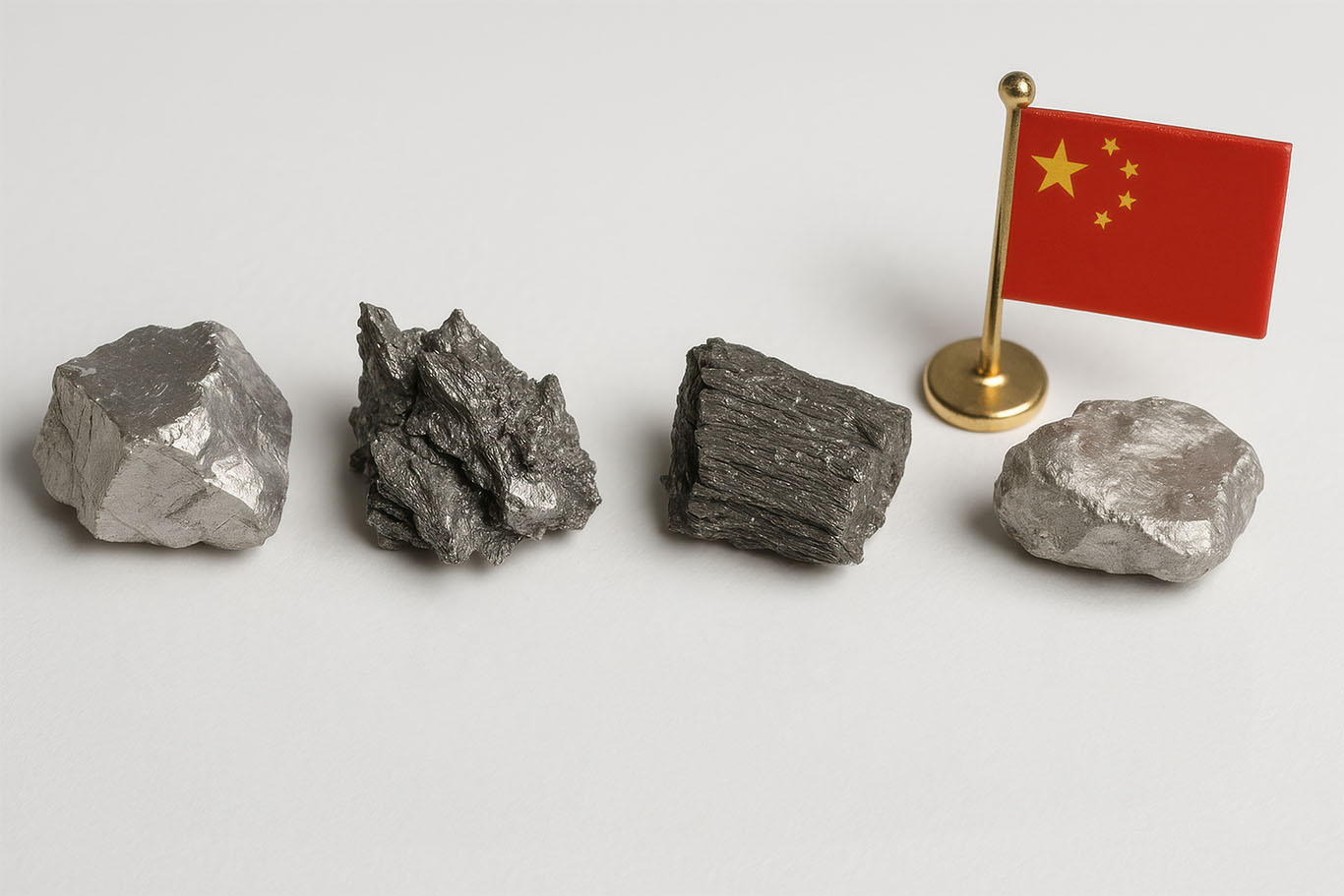
China’s Rare-Earth Stronghold
Beijing’s dominance in the rare-earths market stems from decades of systematic investment. China mines a large share of the world’s rare-earth output and controls most of the critical downstream refining and magnet-manufacturing capacity. (mint)
Recent controls formalise that grip:
China announced new export rules in October 2025 requiring licences for magnets, alloys and even overseas use of Chinese-origin rare-earth materials. (Sky News)
Analysts call rare-earths a strategic “trump card” in Beijing’s trade arsenal. (The Washington Post)
Trump’s Deal and the U.S. Response
Earlier this year, Trump stated that a trade deal with China had been reached under which China would supply “magnets and any necessary rare earths” to the U.S. as part of a broader trade package. (CNBC)
In parallel, the U.S. and Australia signed an US $8.5 billion critical-minerals agreement in October 2025 aimed at developing alternative supply chains outside China. (AP News)
What the Deals Could and Could Not Achieve
What they might achieve:
Immediate relief: U.S. industry may gain faster access to key materials, reducing short-term disruptions.
Supply-chain diversification: Partnerships with Australia and other allies could gradually reduce dependence on China.
Strategic signalling: The deals send a message that the U.S. is serious about challenging China’s dominance.
What they are unlikely to change quickly:
Structural dominance: China’s processing infrastructure and upstream control remain massive — shifting that will take years. (Asia Times)
Full decoupling: Given the complexity and cost of rare-earth mining and refining, the U.S. and its allies cannot instantly replicate China’s supply capability. (CNBC)
Geopolitical leverage: China’s ability to restrict exports or manipulate supply remains a strategic threat. (Business Standard)
Why It Matters
Technology & defense: Rare-earth elements are crucial in electric vehicles, wind turbines, jet engines and radar systems — sectors vital to modern economies and national security. (CNBC)
Trade leverage: China’s export controls give it leverage in negotiations, limiting other countries’ options and potentially increasing costs.
Industrial policy: For the U.S. and its allies, the situation underscores the importance of investment in mining, refining, recycling and alternative technologies.
What to Watch
Whether the U.S. and its partners can scale up non-Chinese refining capacity and create viable supply chains within 3–5 years.
How China responds to the deals politically and economically — will it impose further restrictions or shift strategy?
The impact on industry: any disruptions in supply could affect EV production, defense manufacturing and global tech supply chains.
Technological innovation: whether alternatives to rare-earth-heavy magnets or improved recycling capabilities emerge more quickly than expected.