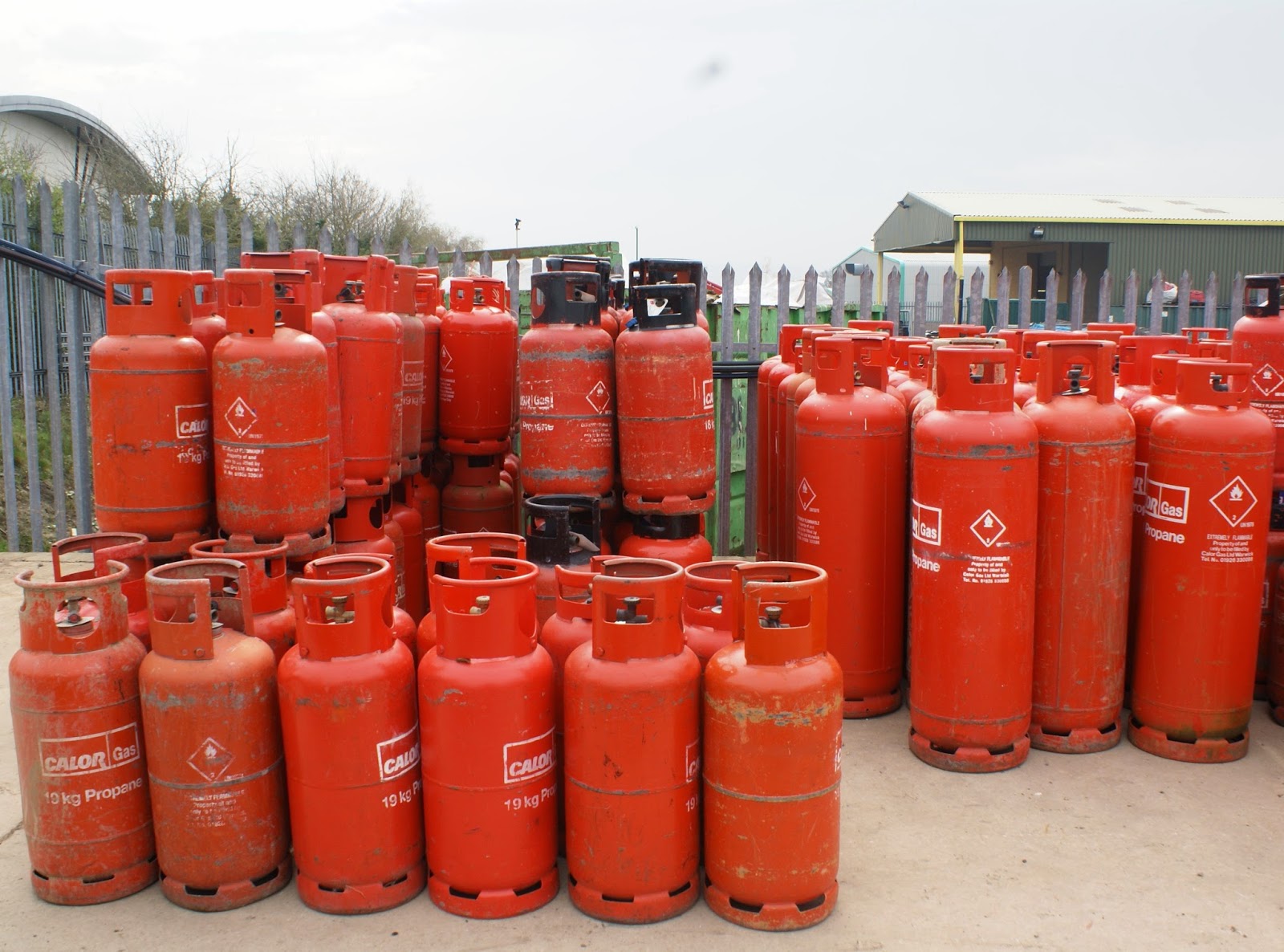
The price of cooking gas in Nigeria has remained at ₦1,200 per kilogram, defying expectations of a reduction by marketers and government officials. A market survey conducted in Abuja revealed that LPG vendors in areas such as Gwarimpa, Dawaki, and Kubwa sold the product between ₦1,200 and ₦1,400 per kg, while some outlets in Lugbe charged as high as ₦1,500.
In Lagos, the situation is mixed. While some depots reported slight relief, with prices dropping to ₦1,000–₦1,100 per kg, many retail outlets still sold at ₦1,200 per kg or higher, depending on location. This means that a 12.5kg cylinder refill costs between ₦12,500 and ₦15,000, straining household budgets already stretched by inflation.
Industry stakeholders have attributed the price volatility to supply disruptions, high transportation costs, and foreign exchange pressures. The Group Chief Executive Officer of the Nigerian National Petroleum Company Limited (NNPCL), Bayo Ojulari, described the recent spikes as “artificial,” blaming disputes between suppliers and refinery operators for temporary shortages. He assured that with sufficient supply nationwide, prices should normalize in the coming weeks.
However, consumer experiences tell a different story. Many households report cutting back on gas usage, with some reverting to charcoal and firewood. In Kano, for instance, LPG prices have forced families to seek cheaper alternatives, raising concerns about deforestation and health risks from smoke inhalation.
The federal government recently removed import duties on LPG accessories to ease costs, but analysts argue that without expanded local production and storage infrastructure, Nigeria will remain vulnerable to global price swings and supply bottlenecks.
For now, the reality is that cooking gas remains out of reach for many Nigerians, with prices holding firm at ₦1,200 per kg despite promises of relief.