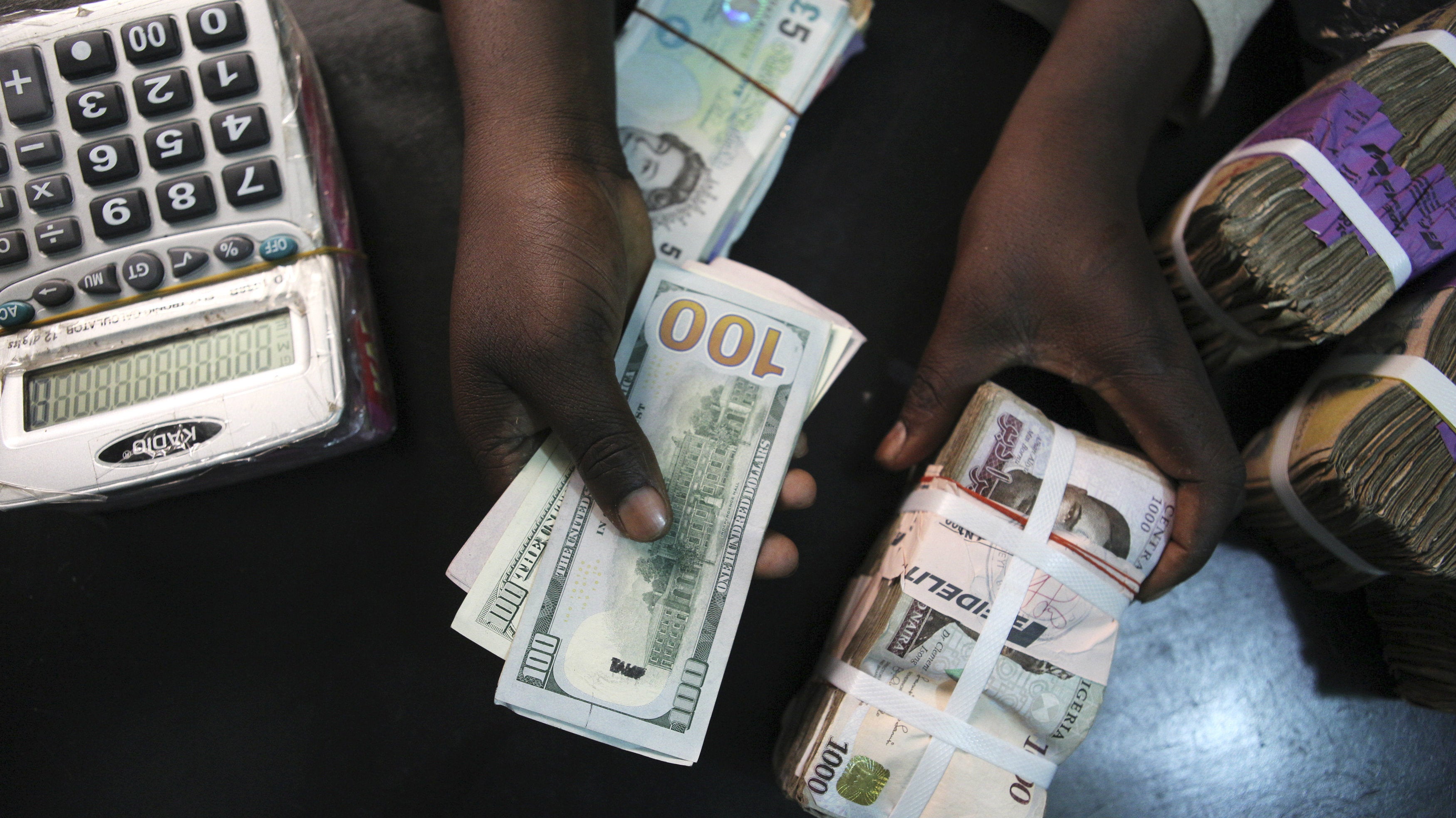
Nigeria’s naira maintained relative stability in official foreign‐exchange windows, while the parallel (or “black”) market continued to show a weaker performance, underscoring persistent structural pressures in the country’s FX system.
At the official Central Bank of Nigeria (CBN)-monitored trading window (the Nigerian Foreign Exchange Market / NFEM), the U.S. dollar was quoted at around ₦1,460 per US$1. (Brand Icon News) In contrast, dealers in major commercial hubs quoted the dollar between ₦1,495 and ₦1,515 per US$1 in the parallel market. (Brand Icon News)
Despite the divergence, signs suggest that the gap between official and informal rates might be narrowing. Nigeria’s foreign-exchange reserves have climbed to approximately US$43 billion, reinforcing the central bank’s capacity to defend the naira. (Legit.ng - Nigeria news.)
Why it matters:
For importers and corporates operating through official windows, the steadiness of the official rate offers somewhat clearer planning and reduces immediate currency-risk shock.
For households, travellers and smaller businesses that rely on cash dollars or informal sources, the higher parallel rate continues to impose real cost burdens—higher prices for imported goods, foreign travel, education, etc.
The persistent spread between official and parallel rates underscores underlying FX‐market imbalances: limited official dollar supply, strong demand (especially for cash/physical), and speculative behaviour.
The situation reflects the broader challenge facing Nigeria: managing inflows (oil, remittances, portfolio investments), controlling inflation, and maintaining FX stability amid structural economic constraints.
Challenges & outlook:
The central bank’s ability to sustain the official rate will depend on continued dollar-inflows (from oil, non-oil exports, remittances) and disciplined monetary/fiscal policy. Any shock to external revenues could destabilise the official rate.
The parallel market remains vulnerable — if official access remains constrained, or demand surges (e.g., ahead of holidays, travel season), the gap could widen again.
Businesses must remain cautious: the official rate may not reflect the real cost of accessing foreign currency for cash or urgent needs.
Analysts suggest the naira might end the year trading in the range of ₦1,400–₦1,450/$1 in the official window if favourable conditions continue. (Nairametrics)