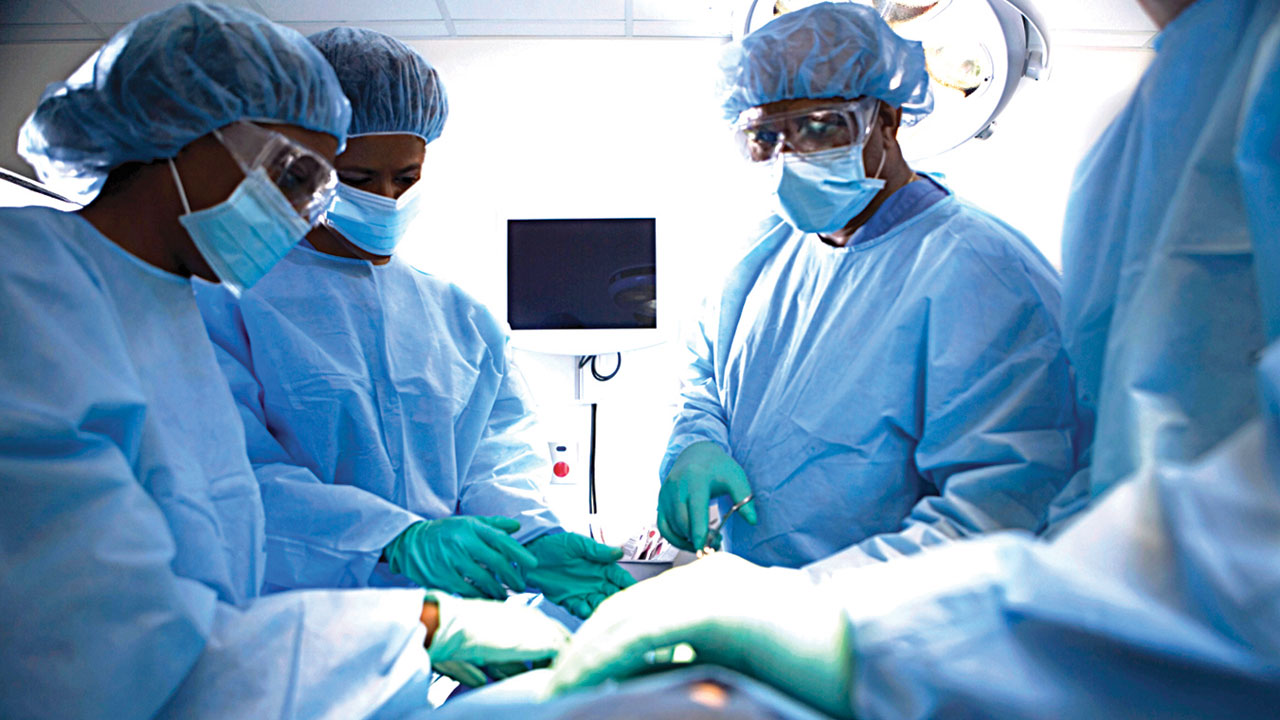
Nigeria’s healthcare system is facing a potential collapse as medical experts warn that the mass exodus of doctors, nurses, and other professionals — popularly referred to as the “Japa syndrome” — is crippling service delivery across the country.
According to data from the Nigerian Association of Resident Doctors (NARD), the number of resident doctors has plummeted from about 15,000 in 2014 to fewer than 8,000 in 2025. Over 16,000 doctors are estimated to have migrated abroad in the past five years, seeking better pay, working conditions, and security.
“What we’re witnessing is not just a workforce drain — it’s a systemic implosion,” said political economist Prof. Pat Utomi, warning that the combined effects of low morale, underfunding, and migration could render the nation’s health institutions “barely functional.”
“Without urgent intervention, we risk a collapse that no amount of infrastructure spending can reverse,” he added.
A Sector in Distress
Hospitals across Nigeria are already feeling the strain. Patients in both urban and rural centres are experiencing longer waiting times, cancelled surgeries, and limited specialist care. The shortage is not limited to doctors; nurses, pharmacists, and laboratory scientists are also leaving in large numbers.
Dr. Adefolaseye Adebayo, a public health advocate, described the situation as “a ticking time bomb.”
“We are losing our best-trained professionals faster than we can replace them,” she said. “Even new graduates are emigrating immediately after their housemanship.”
The exodus is further compounded by poor remuneration, insecurity in certain regions, and the chronic underfunding of public health facilities, which have left most hospitals understaffed and underequipped.
Calls for Urgent Reform
Experts are urging the government to adopt emergency measures to stabilise the system, including:
Substantially increasing the health sector budget to meet World Health Organization (WHO) minimum funding benchmarks.
Offering competitive pay packages and incentives to retain medical staff.
Strengthening primary healthcare networks and integrating digital health systems for remote monitoring and capacity building.
Partnering with the Nigerian diaspora to create structured return and mentoring programs.
“Health professionals are leaving because the system is failing them,” said NARD President Dr. Dele Abdullahi. “To fix healthcare, we must fix the conditions that push people out.”
The Bigger Picture
Nigeria allocates less than 5% of its annual budget to healthcare — far below the 15% Abuja Declaration target — leaving facilities ill-equipped to meet the needs of its over 200 million citizens. As more practitioners leave, analysts fear a ripple effect that could worsen maternal mortality, reduce vaccination coverage, and increase preventable deaths.
Public health observers say the country is running out of time. Without bold reforms, the “Japa syndrome” could soon leave Nigeria with too few hands to care for its sick.
Sources: