The programme, known as Inspire Live(s) Online Real-Time Classes, was introduced by the Federal Ministry of Education as part of President Bola Tinubu’s Renewed Hope Agenda. According to the ministry’s Director of Press and Public Relations, Folasade Boriowo, the initiative is designed to democratise access to learning by streaming structured lessons directly to students, regardless of their location.
Officials explained that the rollout prioritises junior and senior secondary school classes, with lessons delivered by certified master teachers using digital platforms such as Cisco Webex. The ministry said the project will help bridge gaps caused by teacher shortages, disruptions to learning, and unequal access to instructional resources, especially in rural and underserved communities.
Government’s Position
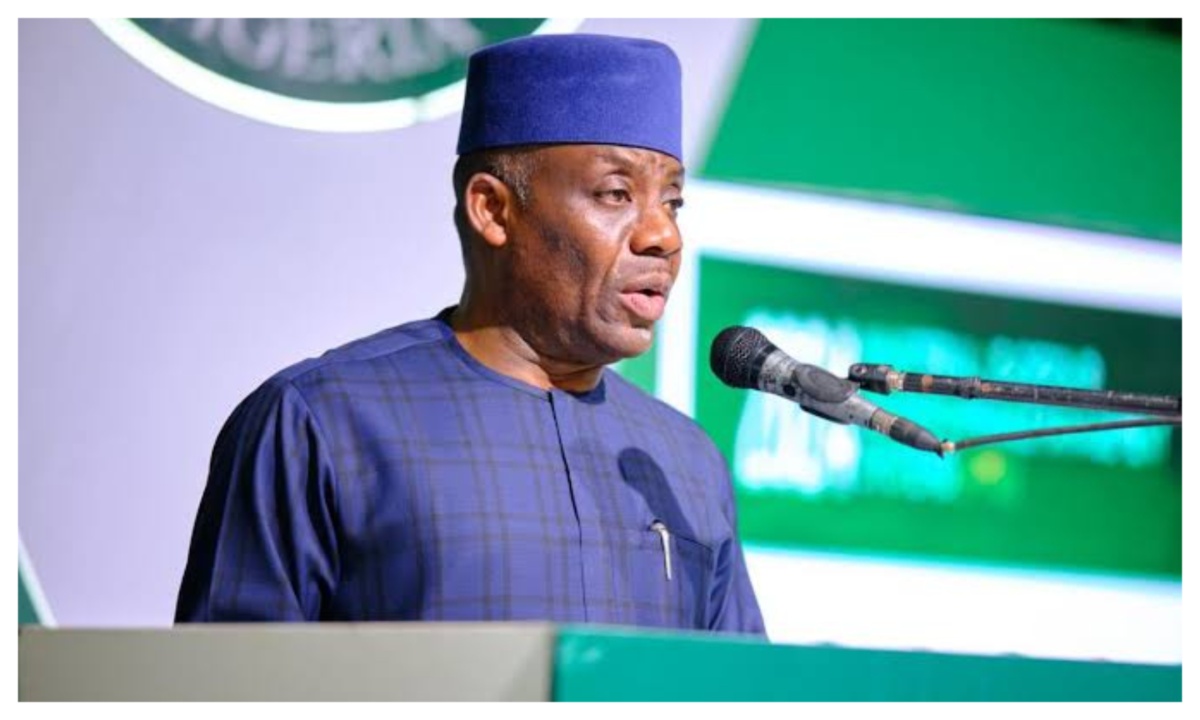
Minister of Education Tunji Alausa described the programme as a “groundbreaking step” toward ensuring equitable learning opportunities for every Nigerian child. He stressed that the government is committed to leveraging technology to guarantee uninterrupted education, noting that the initiative aligns with global trends in digital learning.
Broader Context
Nigeria’s education system has faced repeated disruptions, from insecurity in northern states to strikes and infrastructure deficits. The Inspire Live(s) programme is seen as a response to these challenges, offering a platform where students can continue learning even when physical classrooms are inaccessible.
Education experts say the success of the initiative will depend on internet access, electricity supply, and affordability of devices, which remain major hurdles for many households. Civil society groups have welcomed the move but urged the government to ensure inclusivity so that children in remote areas are not left behind.
Conclusion
The unveiling of Inspire Live(s) marks a significant milestone in Nigeria’s push to modernise its education system. By combining technology with structured teaching, the government hopes to close learning gaps, improve quality, and ensure that no child is excluded from education opportunities.
Sources: