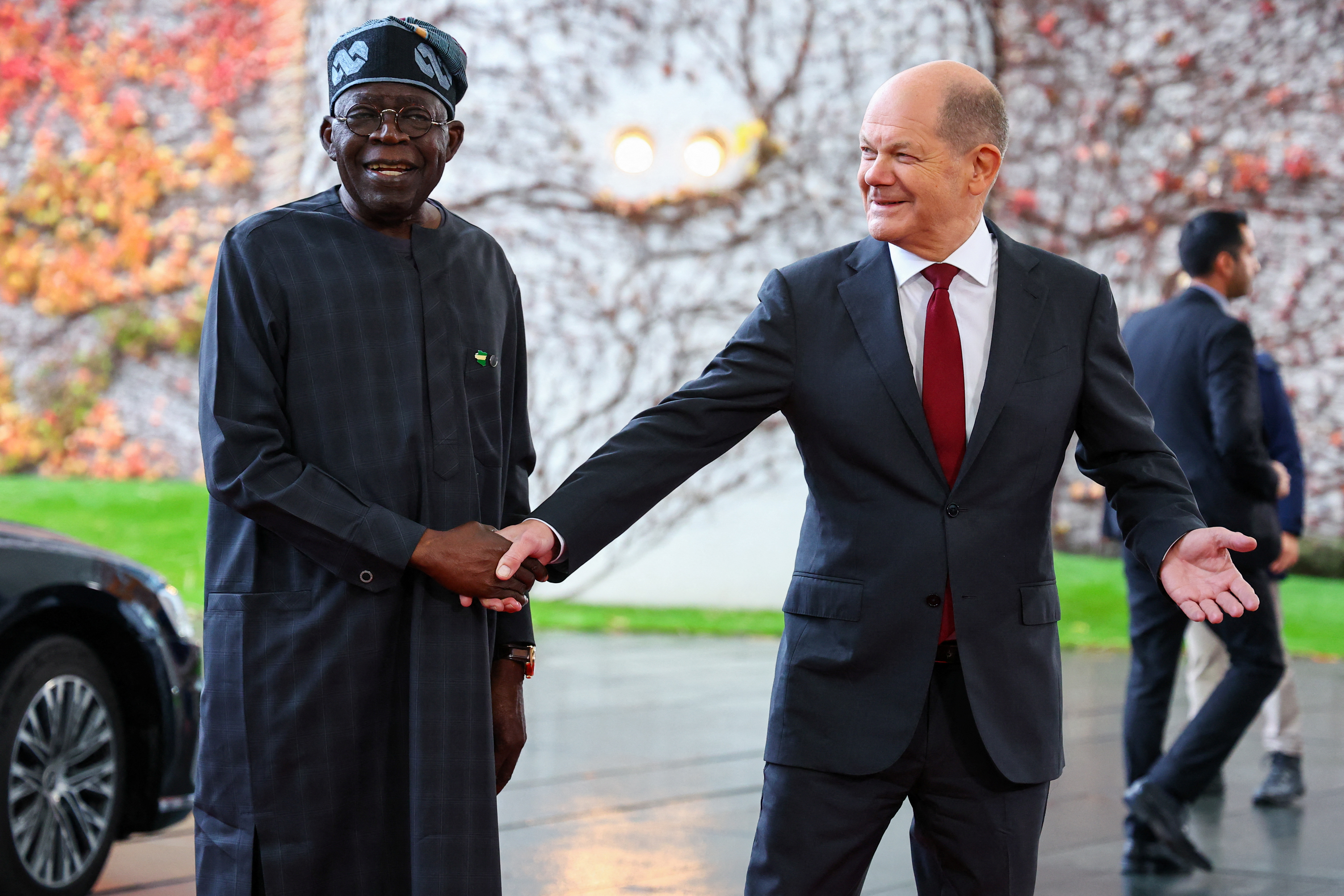
Overview:
Bilateral trade between Germany and Nigeria has reached approximately €3 billion, the German Embassy and multiple news outlets report — a jump officials link to recovering Nigerian energy exports and growing German interest in investment across energy, manufacturing and pharmaceuticals. (Thisdaylive)
What was announced
German Ambassador to Nigeria Annett Günther and other German officials have said the two-way trade reached roughly €3 billion (figures cited refer to recent annual totals reported by the embassy and covered by local and international media). Germany now ranks among Nigeria’s top trade partners in sub-Saharan Africa and more than 90 German firms operate in Nigeria, indirectly creating thousands of jobs, the envoy noted. (Thisdaylive)
Numbers and composition — what’s behind the €3bn figure
Historical benchmark: The €3 billion figure has appeared in public briefings since at least 2022 (reported at that time as a rise from roughly €2 billion the prior year), so the headline number represents a multi-year recovery and stabilization of trade ties after pandemic and global energy shocks. (theafricancourier.de)
Trade mix: German exports to Nigeria are typically machinery, chemical products and foodstuffs, while Nigeria’s exports to Germany are dominated by crude oil and other raw materials — a composition that means the bilateral balance is sensitive to swings in commodity prices and Nigerian oil output. Several reports note crude oil remains a large share of Nigerian exports to Germany. (Thisdaylive)
Drivers: policy, energy and post-pandemic recovery
Analysts and officials point to three factors driving the rebound toward €3bn: (1) Nigeria’s economic recovery and higher oil exports following local reforms and higher output; (2) renewed German commercial interest in Nigerian projects (energy, pharma, manufacturing) and over 90 German companies active locally; and (3) diplomatic outreach — high-level visits and trade forums that have elevated trade on both sides’ agendas. Germany has signalled interest in energy partnerships (including gas and hydrogen) that could deepen ties. (Businessday NG)
Strategic context and opportunities
Energy & hydrogen: Europe’s energy reconfiguration since 2022 has made West Africa’s gas reserves strategically important. German firms and policymakers have discussed cooperation on gas, liquefaction and emerging hydrogen value chains — areas where Nigeria could attract greater German investment if policy and security conditions improve. (AP News)
Industrial & tech cooperation: German exports of machinery and chemical products facilitate Nigerian industrialization; German companies’ presence in Nigeria also supports skills transfer and local jobs, per embassy statements. (The Nation Newspaper)
Risks and constraints
Commodity dependence: Because Nigerian exports to Germany are heavily weighted toward crude oil, the bilateral trade value is vulnerable to price swings and to shifts in European sourcing strategies. Diversifying Nigeria’s export basket — into processed goods, agro-products and manufacturing — would stabilise long-term trade. (Thisdaylive)
Investment and security: Sustained growth in trade and deeper German investment depend on improvements in infrastructure, regulatory certainty, and security — recurrent caveats raised by investors and noted in policy dialogues between the two countries. (Businessday NG)
Reactions and official lines
Ambassador Annett Günther highlighted the €3bn milestone as evidence of a growing partnership, emphasising the number of German firms in Nigeria and the job creation associated with them. Nigerian trade and foreign affairs officials have used the figure in policy discussions to press for more German investment into value-added sectors. (The Nation Newspaper)
What to watch next
Whether planned German investments in energy (including hydrogen) materialise into contracts and projects in Nigeria. (AP News)
Moves by Nigeria to add higher-value exports and attract manufacturing investments that would rebalance and stabilise trade beyond oil. (Thisdaylive)
Key sources used: reporting from the German Embassy/Annett Günther and coverage in ThisDay, The Nation, Tribune, Gazette, AP and analytical context on Germany–Nigeria economic ties.