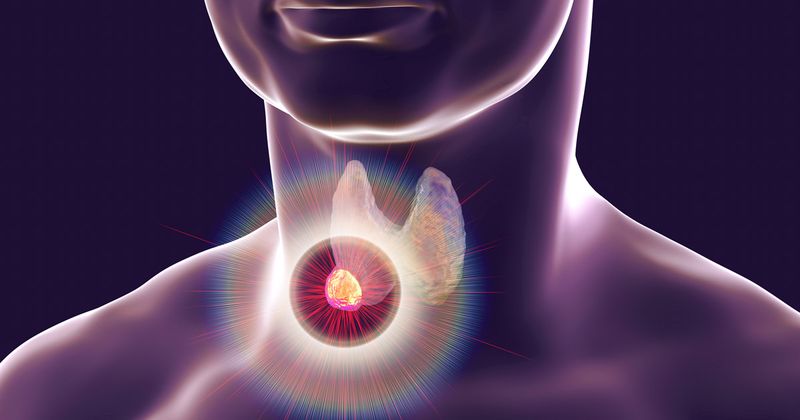
A steady rise in thyroid cancer cases across several regions of the world has prompted renewed attention from public health experts, with researchers linking the increase to a combination of improved medical detection, greater screening awareness, and potential environmental and lifestyle changes. Countries in North America, Europe, East Asia, and parts of the Middle East have reported significant growth in diagnoses over the past three decades, according to multiple international health data reviews.
Medical specialists emphasize that the sharp rise is driven primarily by better imaging technologies such as neck ultrasounds, CT scans, and fine-needle biopsies, which now detect small, slow-growing thyroid tumors that might never have caused symptoms. This trend, known as overdiagnosis, has been highlighted by oncologists as a key factor in the global shift.
However, researchers are also investigating other possible contributors, including exposure to ionizing radiation, endocrine-disrupting chemicals found in plastics and pesticides, fluctuating iodine levels in food, rising obesity rates, and longer life expectancy. Thyroid cancer disproportionately affects women, leading scientists to explore the influence of hormonal and reproductive factors.
Despite the growing numbers, the most common thyroid cancer type—papillary thyroid carcinoma—remains highly treatable, with strong survival outcomes when identified early. Health authorities caution that the increase does not necessarily indicate a more dangerous global cancer landscape, but they warn that improved diagnostic practices should be matched with smarter screening guidelines to avoid unnecessary surgeries and treatment.
Sources
World Health Organization (WHO) — global cancer surveillance and diagnostics data
The Lancet Oncology — studies on overdiagnosis and screening impact
National Cancer Institute (U.S.) — endocrine cancer research and population trends
European Thyroid Journal — reports on environmental and hormonal risk factors
Journal of Clinical Endocrinology & Metabolism — analysis of iodine, obesity, and metabolic links