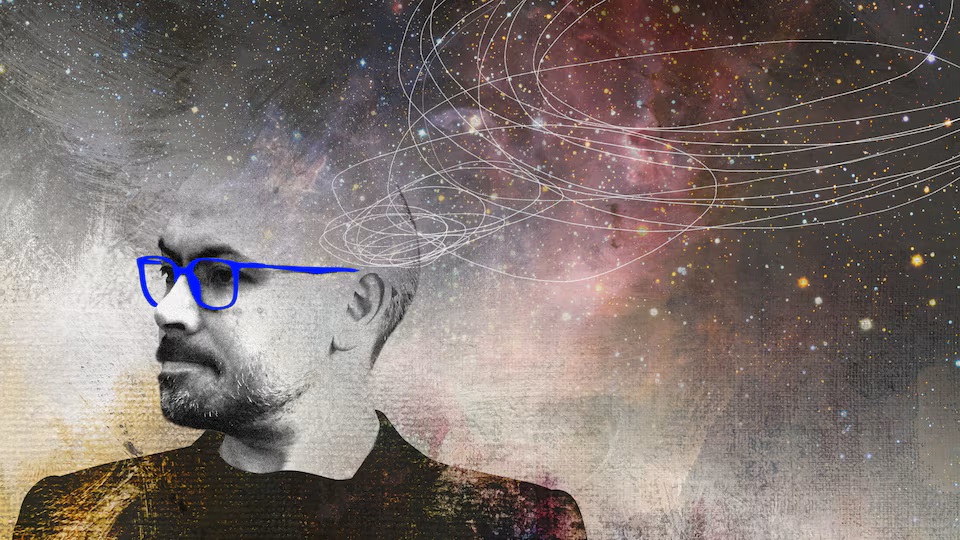
Google’s top AI executive Demis Hassabis is prioritizing profound scientific breakthroughs over short-term profits and routine applications.
In a revealing profile, Demis Hassabis, CEO of DeepMind and Google’s top AI executive, expressed his commitment to pursuing transformative AI research rather than chasing commercial gains or mundane use cases. Hassabis, who joined Google after its acquisition of DeepMind in 2014, has become a central figure in Alphabet’s AI strategy—even winning a Nobel Prize for his contributions The Economic Times.
Hassabis’s Vision: Depth Over Dollars
As the global race for AI dominance intensifies, Hassabis is urging Google to focus on meaningful breakthroughs—like solving protein folding or advancing general intelligence—rather than chasing the “prosaic” applications that dominate the tech landscape. He believes AI should be used to tackle humanity’s biggest challenges, not just optimize ads or automate customer service.
This philosophy stands in contrast to competitors like OpenAI, whose release of ChatGPT in 2022 disrupted Google’s search supremacy. Ironically, ChatGPT was built on transformer technology originally developed by Google researchers The Economic Times.
Despite his scientific accolades and multimillion-dollar earnings, Hassabis’s approach has yet to yield immediate commercial success for Alphabet. The company has faced setbacks, including public missteps in AI product launches. Still, Hassabis remains committed to the long game—believing that profound innovation will eventually reshape industries and society.
His stance reflects a growing tension in tech: the push to monetize AI quickly versus the desire to explore its deeper potential. As Hassabis puts it, the goal is not just to build smarter tools, but to unlock new frontiers of knowledge.