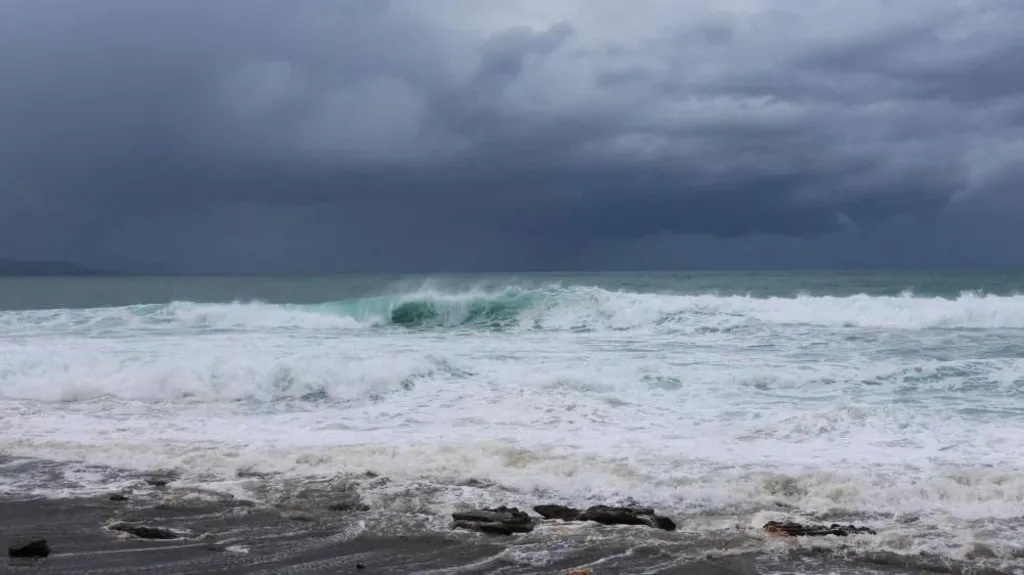
Jamaica is bracing for what could be a historic and catastrophic hurricane event as Hurricane Melissa barrels toward the island, now officially a Category 5 storm. The National Hurricane Center (NHC) reported the system’s maximum sustained winds at approximately 160 mph (260 km/h), with the storm moving westward at just about 3–5 mph (5–8 km/h). (WLRN)
Forecasters warn that Melissa may make landfall over Jamaica’s southern coast late Monday or early Tuesday, possibly near St. Elizabeth Parish or the Black River Bay area, marking a very rare direct hit for the island by a storm of this magnitude. (reddit.com)
What Makes This Storm Especially Dangerous
Intensity & rarity of direct landfall: Jamaica hasn’t seen a hurricane of this strength make direct landfall in recorded history. Experts say this will likely be its strongest. (The Weather Channel)
Slow movement: The storm’s slow pace — around 3 to 5 mph — means longer duration of high winds and heavy rain over affected regions. (The National)
Extreme rainfall: Areas of eastern Jamaica may receive up to 40 inches (1 metre) of rain, which threatens major flooding and landslides across the island’s hilly terrain. (WLRN)
Storm surge and coastal flooding: Storm-surge levels of up to 13 feet (4 m) are expected along the southern coast, especially where the eye makes landfall. (The Washington Post)
Government & Local Response
Mandatory evacuations have been ordered for vulnerable flood-prone communities, and shelters across the island have been activated. Airports and major seaports have been temporarily shut down. (The Times) Jamaica’s Deputy Chair of the Disaster Risk Management Council, Desmond McKenzie, said:
“This is not a safe bet. Do not gamble with Melissa.” (WLRN)
Meteorologists have emphasized that even Category 4 or high-end Category 3 landfalls can still cause devastating impacts — but a full-blown Category 5 makes the situation significantly more severe. (Jagranjosh.com)
Potential Impacts & Risks
Widespread infrastructure damage, including to homes, roads and utilities.
Significant power and communications outages, especially in remote areas.
Major agricultural losses and economic impacts, given Jamaica’s reliance on tourism and farming.
Life-threatening hazards: floods, mudslides, falling debris and storm-surge inundation.