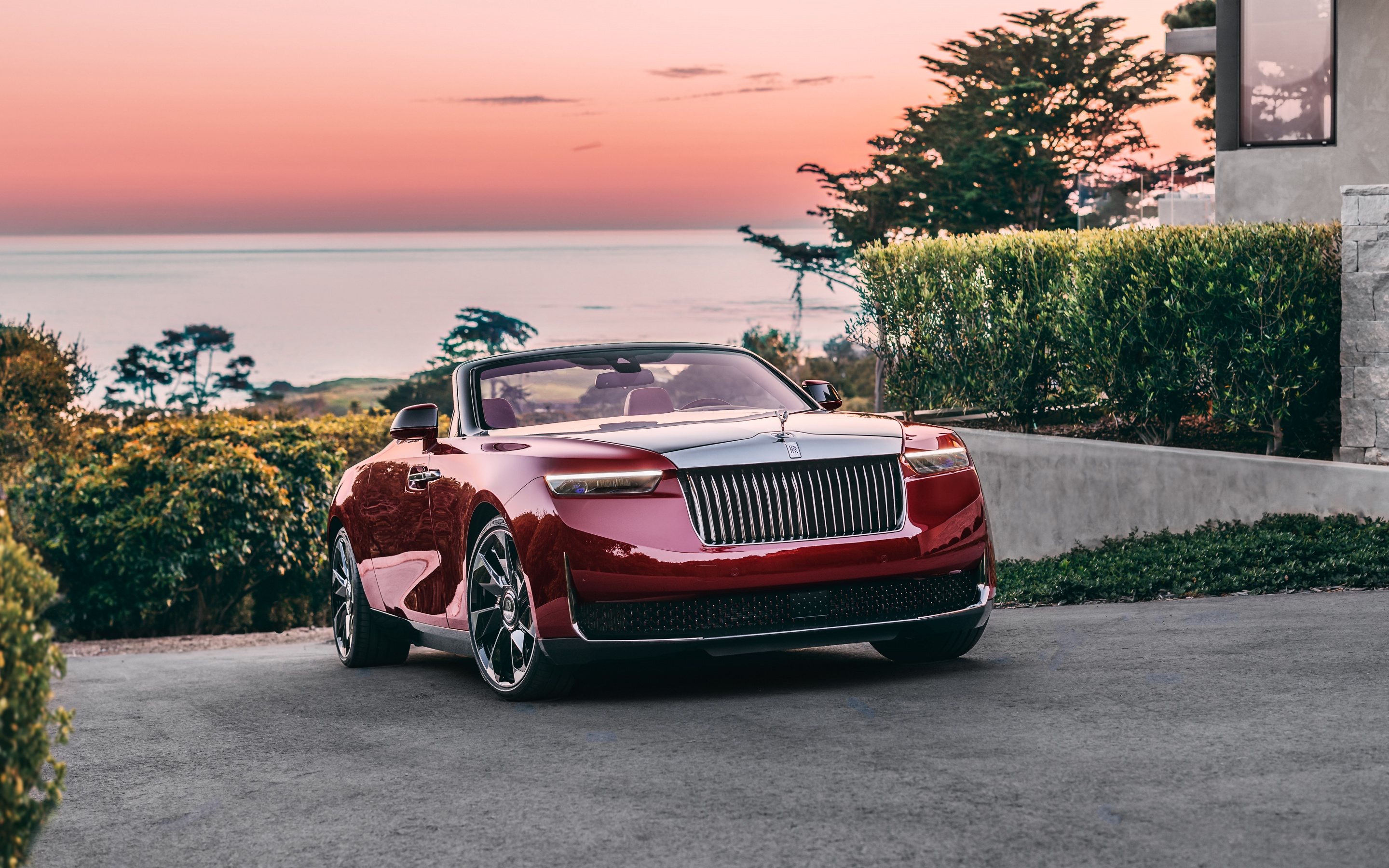
The headline figures — $30 million for a bespoke Rolls-Royce, $18.7 million for a one-off Bugatti, $17 million for a Pagani coachbuilt roadster — are attention-grabbing, but they don’t tell the full story. These cars are not simply fast machines; they’re cultural artifacts, bespoke works of engineering and craft, and, increasingly, curated investments. Below I take a close, opinionated look at each of the top ten, explaining what buyers are actually paying for, where the value comes from, and why these cars matter beyond their top speed.
1. Rolls-Royce La Rose Noire Droptail — the ultimate coachbuilt romance
The La Rose Noire Droptail is a coachbuilt masterpiece — a two-seat droptail crafted to a single collector’s brief and wrapped in Rolls-Royce’s most lavish materials and design motifs. The Droptail’s presence is deliberately artisanal: long proportions, negative body lines and yacht-like rear detailing that read as “haute couture on wheels.” (Rolls-Royce Motor Cars)
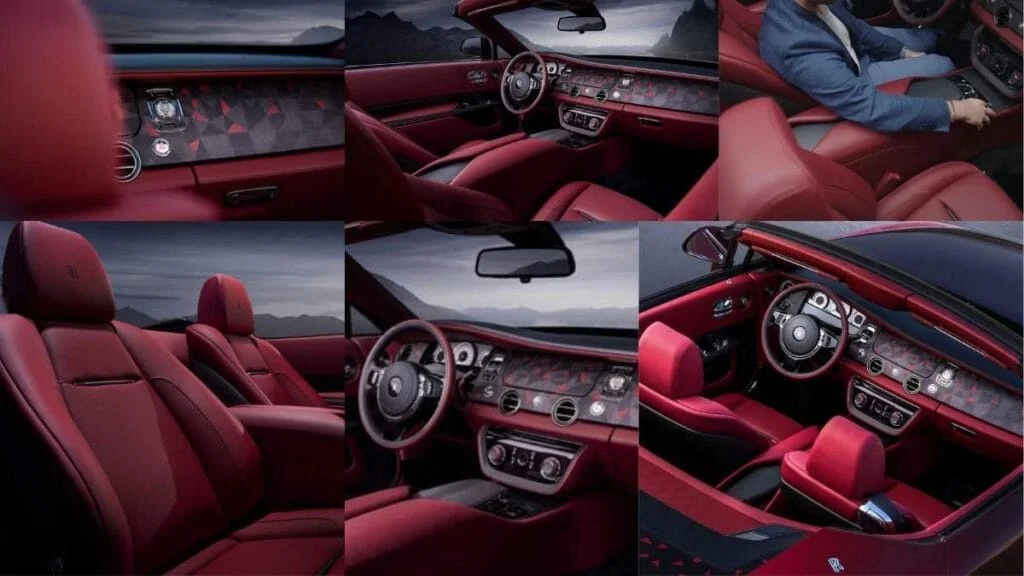
Why it commands ~$30m: it’s not just metal and engine — it’s the design collaboration, the months (often years) of bespoke commissioning, and elements like custom-made furniture, unique lacquer and handcrafted fittings that would be impossible to replicate at scale. For collectors, those irreplaceable provenance markers are everything. In short: rarity + craft + narrative = price. (Rolls-Royce Motor Cars)
As an object, the Droptail signals a shift: ultra-wealthy buyers now prize narrative and exclusivity even more than raw performance. It’s a mobile sculpture first, a driving machine second. (F1rst Motors)
2. Rolls-Royce Boat Tail — yacht culture meets coachbuilding
The Boat Tail is the archetype of the modern coachbuilt Rolls-Royce: a tailor-made “yacht on wheels” with picnic-ready compartments and a bespoke rear deck. Publicly pegged at roughly $28m, the Boat Tail is emblematic of Rolls-Royce’s pivot toward ultra-high-net-worth, one-off commissions. (Wikipedia)
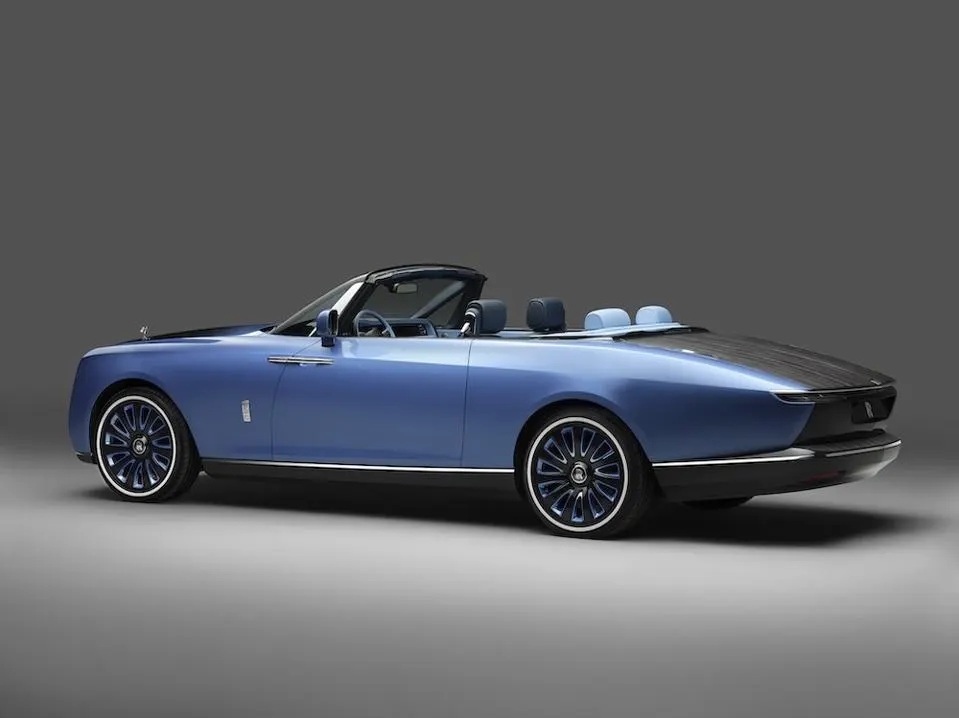
Engineering here is quiet but exacting: luxury materials, bespoke mechanical fitments, and integration of lifestyle features (think deployable tables, watch-companion pieces) demand specialist engineering. The performance is intentionally understated — the value is in the experience and exclusivity. (Wikipedia)
As an investment or trophy, the Boat Tail’s allure lies in storytelling. Owners aren’t competing for lap times — they’re buying a bespoke heirloom. That explains the astronomical valuation. (bidgodrive.com)
3. Bugatti La Voiture Noire — a one-off tribute turned modern legend
Bugatti’s La Voiture Noire resurrects the mystique of the Type 57 SC Atlantic in a contemporary hypercar skin. Its headline price (~$18.7m) reflects both extreme craftsmanship and Bugatti’s unique place as maker of some of the fastest and most exclusive production vehicles. (Bugatti)
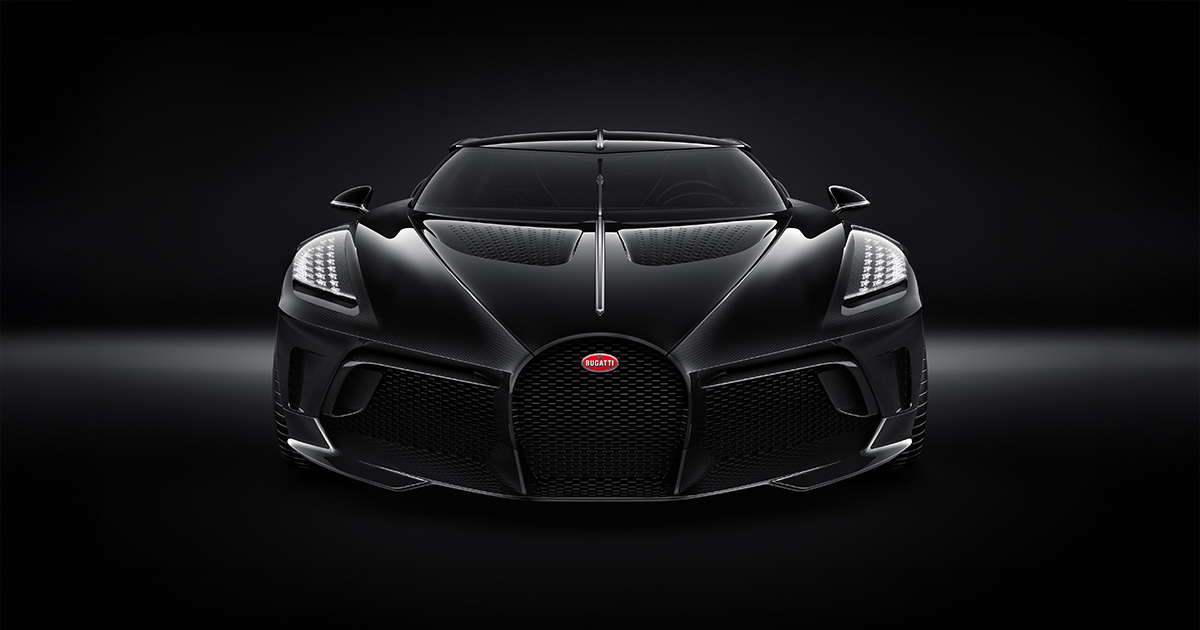
Underneath the artful exterior sits Bugatti’s familiar W16 engineering and obsessive aerodynamic tuning. La Voiture Noire is a blend of hypercar mechanics and coachbuilt rarity — not the fastest in Bugatti’s stable, but arguably the most poetic. (Bugatti)
Culturally, La Voiture Noire signals a collector’s preference for automotive icons — cars that tell a story about legacy and design continuity more than they shout performance figures. (Bugatti Broward)
4. Pagani Zonda HP Barchetta — artistry and analog drama
Pagani’s Zonda HP Barchetta is an unapologetic, almost theatrical coachbuilt supercar: raw, exotic and intensely bespoke. Pagani sells emotion through naked carbon fibre, a screaming V12 and interiors that read like couture workshops. (pagani.com)
The Barchetta’s price (reported in the mid-teens of millions) reflects Horacio Pagani’s insistence on hand-crafted detail: milled metalwork, custom leather, and engines tuned like musical instruments. Driving a Pagani is an analogue experience in a digital world. (Asphalt Wiki)
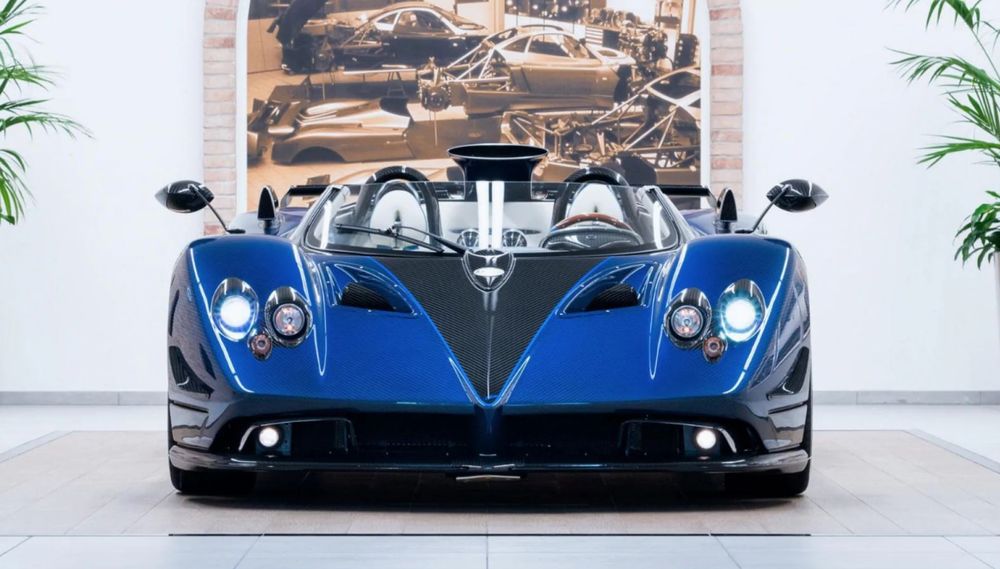
Collectors prize Pagani because it still feels artisanal — you sense the human hand in every stitch and carbon weave. That intimacy with craftsmanship is rare at this money level. (CarBuzz)
5. SP Automotive “Chaos” — hype, hyperbole, and the new ultracar playbook
Spyros Panopoulos’s SP Automotive Chaos (often just “Chaos”) is the poster child for the internet era of hypercars: wild claimed specs (up to 3,000 hp), extreme top speed targets and a headline-grabbing price (~$14m). Motor press coverage has been equal parts awe and skepticism. (Motor1.com)
The Chaos is important for what it represents: a new breed of boutique builders promising F1-level tech and aerospace materials. Whether every claimed figure will stand up under independent testing is secondary for many buyers; they’re buying the audacity and novelty. (Motor1.com)
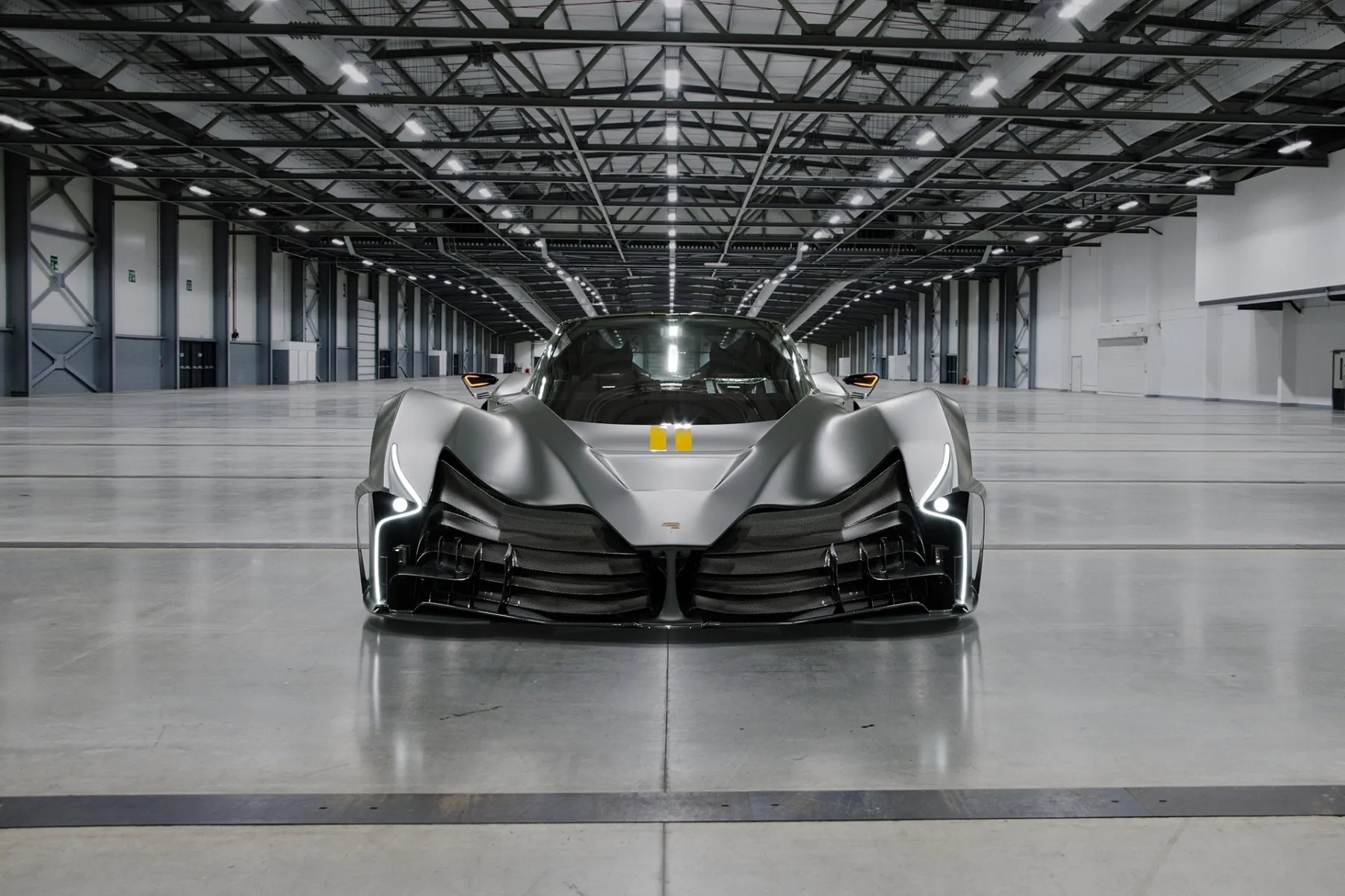
From an opinion standpoint: Chaos is a fascinating experiment in automotive branding — it sells an idea (the future ultracar) more than a Proven, tested driving experience. That can be intoxicating, but it’s also risky for long-term collectability. (Automotive)
6. Rolls-Royce Sweptail — the haute-couture experiment that started a trend
The Sweptail was an early signal that Rolls-Royce would lean hard into multi-million-dollar one-offs. Built for a single client and reported to cost in the low double-digit millions, the Sweptail fused classic coachwork cues with bespoke luxury fittings (wood decks, integrated crystalware, and tailored interiors). (Wikipedia)
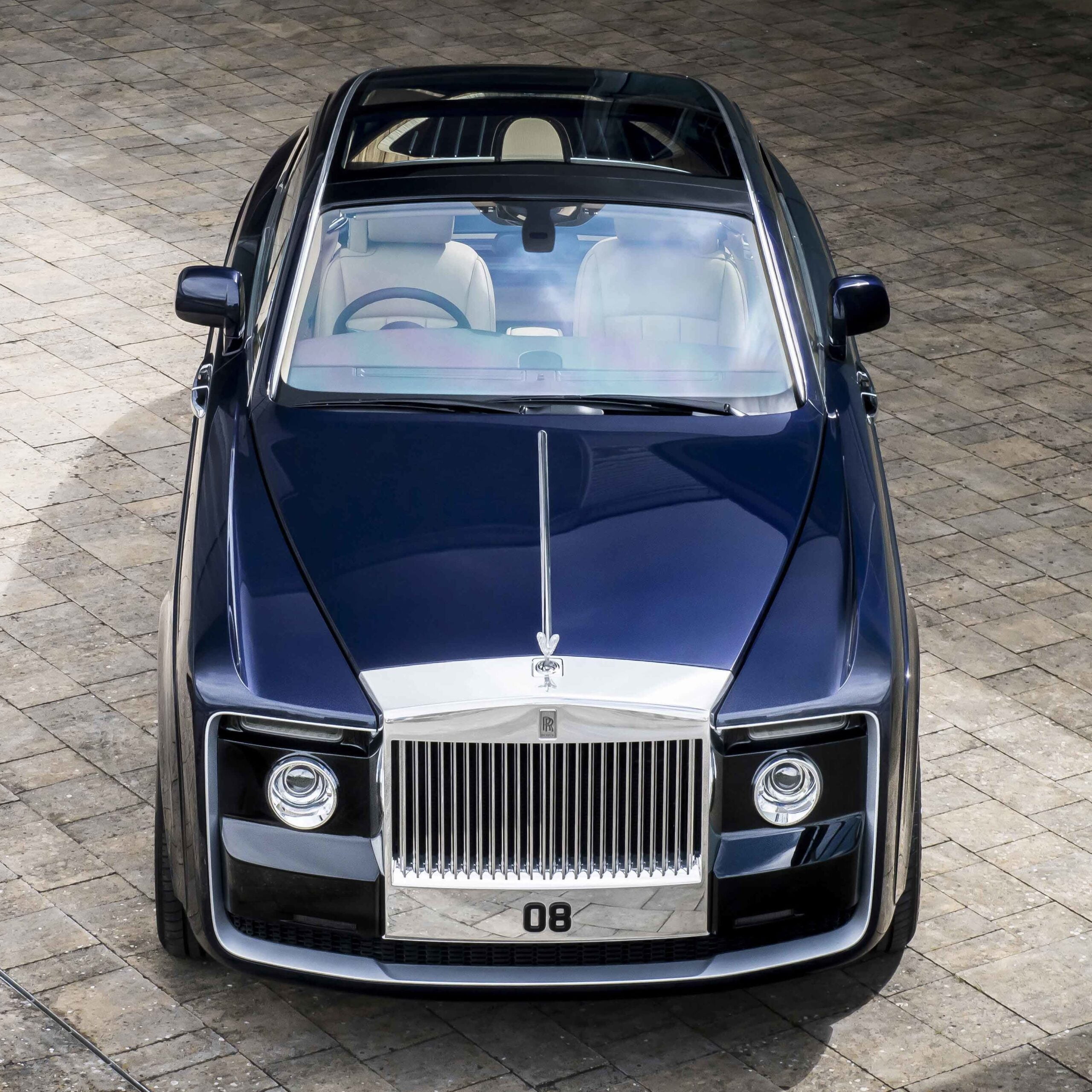
Technically it’s conservative; its value comes from design audacity and the painstaking handwork that produced a car “like no other.” The Sweptail quietly shifted expectations around what a modern coachbuilt car could be. (NetCarShow)
As an artefact, its cultural footprint outweighs its minutes on the road — a hallmark of the ultra-luxury segment. (Business Insider)
7. Bugatti Centodieci — nostalgia, performance and limited-series pricing
The Centodieci is a limited run (10 units) hypercar that channels the EB110’s wedge shape with modern W16 performance. Priced around the $8–9m mark at launch, it’s a sharp reminder that limited series from established hypercar houses retain strong collector appeal. (Bugatti Broward)

Mechanically, it’s Chiron-based engineering but with weight-saving measures and bespoke aero that make it both exclusive and startlingly quick. For buyers, the Centodieci is a way to own a contemporary Bugatti that is also an homage — a cultural statement with high technical pedigree. (Wikipedia)
That mix of performance and provenance keeps demand (and valuations) high on the secondary market. (CarBuzz)
8. Mercedes-Maybach Exelero — a modern coachbuilt grand tourer with regal presence
The Exelero is a unique Maybach one-off with a twin-turbo V12 and dramatic proportions — a modern remnant of coachbuilding that sells cinema-grade presence more than racetrack numbers. It’s historically one of the most famous one-offs outside the Rolls-Royce stable and carries a mystique that collectors prize. (Wikipedia)
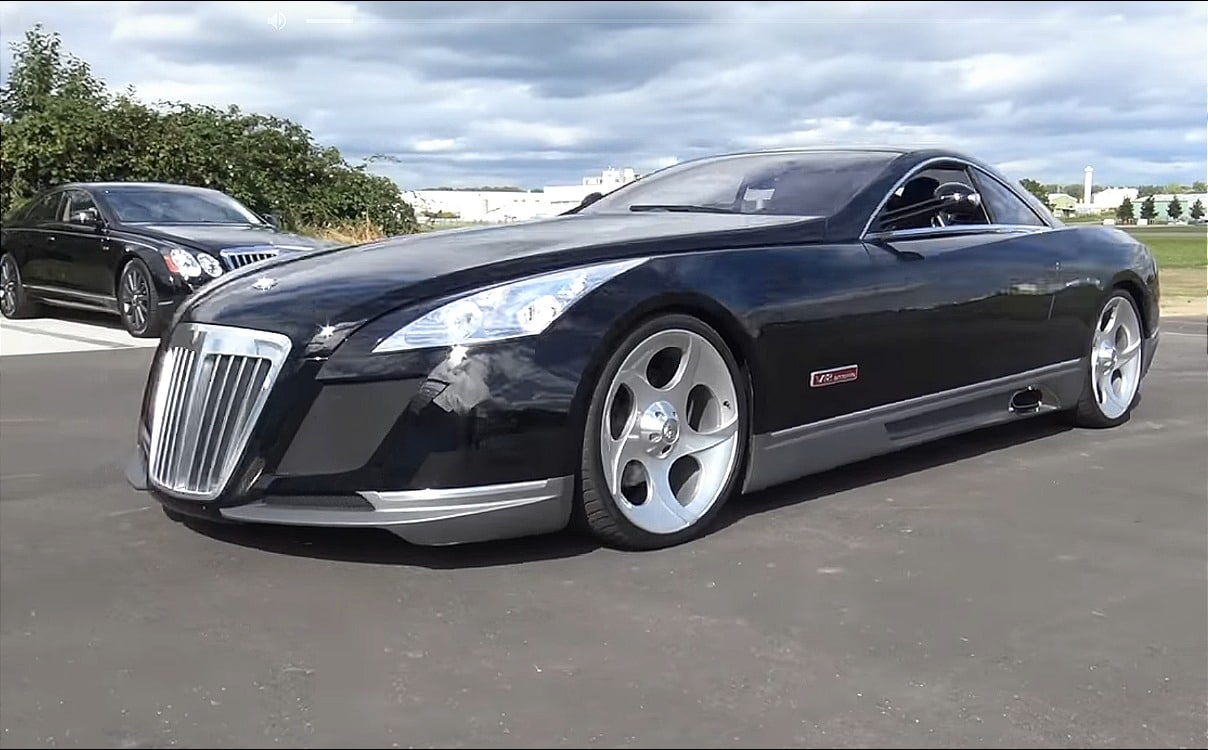
Its significance is cultural: the Exelero is a statement car in the classic grand tourer mould, and its rarity has made it a touchstone for collectors who want something different from the hypercar performance arms race. (Wikipedia)
From a value perspective, the Exelero trades on uniqueness — it’s exactly the sort of car that fits the private museum or ultra-exclusive garage. (Wikipedia)
9. Pagani Huayra Codalunga — long-tail Italian drama and mechanical poetry
Pagani’s Codalunga is a deliberate throwback: a long-tail design inspired by 1950s and ’60s racers, fitted with Pagani’s AMG-sourced V12 and artisan interiors. Pricing sits in the multi-million range (commonly reported above $7m), with extremely limited production numbers. (Carscoops)
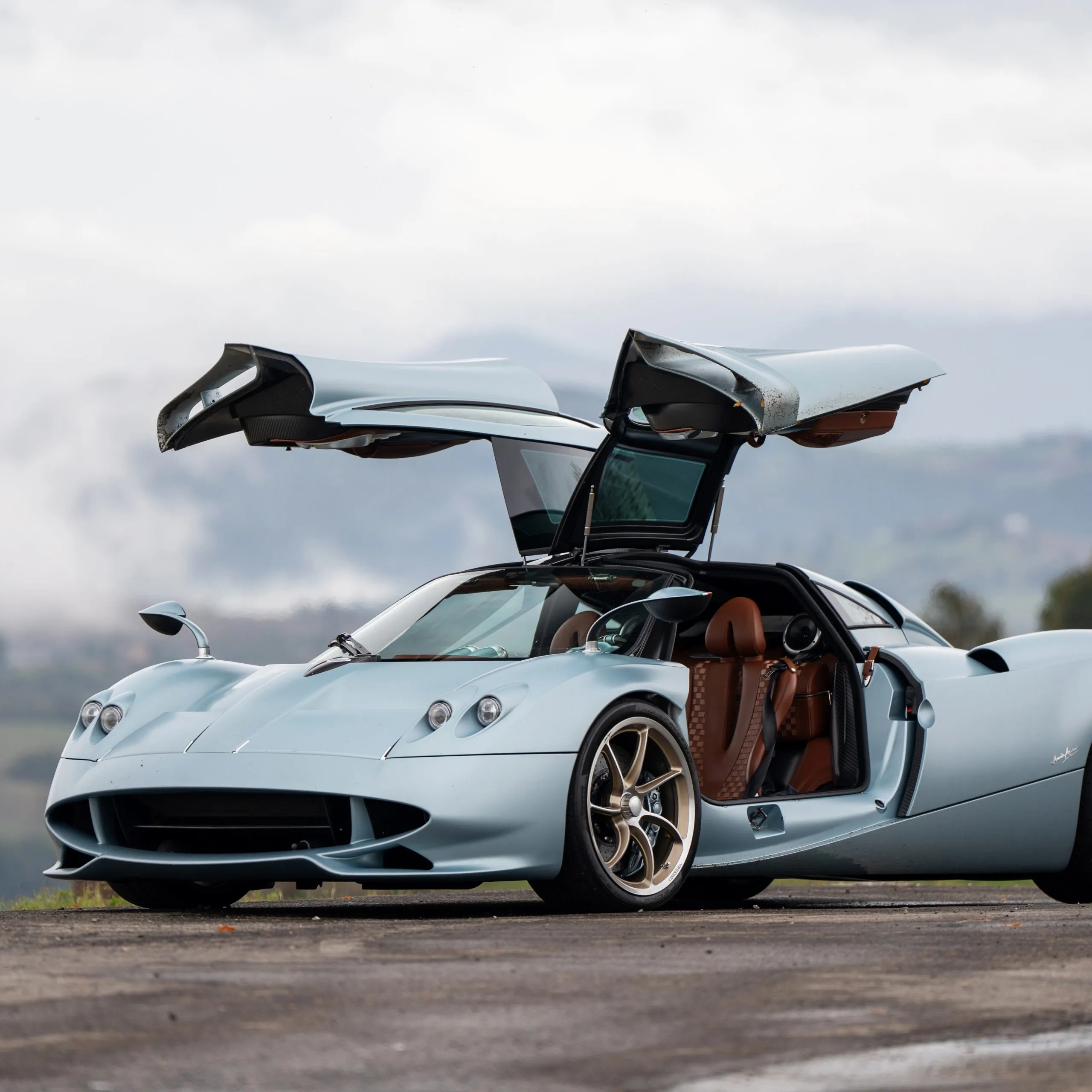
Where it stands out is in execution: milled aluminium, hand-stitched interiors, and an exhaust note tuned for emotional response. In other words, Pagani sells a sensory driving experience — every pedal input, gearshift and corner feels purposeful and connected. (Car and Driver)
Collectors treat a Codalunga as an heirloom: exquisitely made, rare, and demonstrative of Pagani’s unapologetic obsession with craft. That’s why buyers pay rates that make little sense on a cost-per-horsepower basis alone. (Road & Track)
10. Bugatti Divo — the track-sharpened, coachbuilt hyper GT
The Divo, limited to 40 examples and launched as a track-focused complement to the Chiron, was priced around $5.8m at launch. Its emphasis is lateral grip and cornering stability rather than outright top speed — a deliberate performance rebalancing that made it both rarer and more focused. (Bugatti)
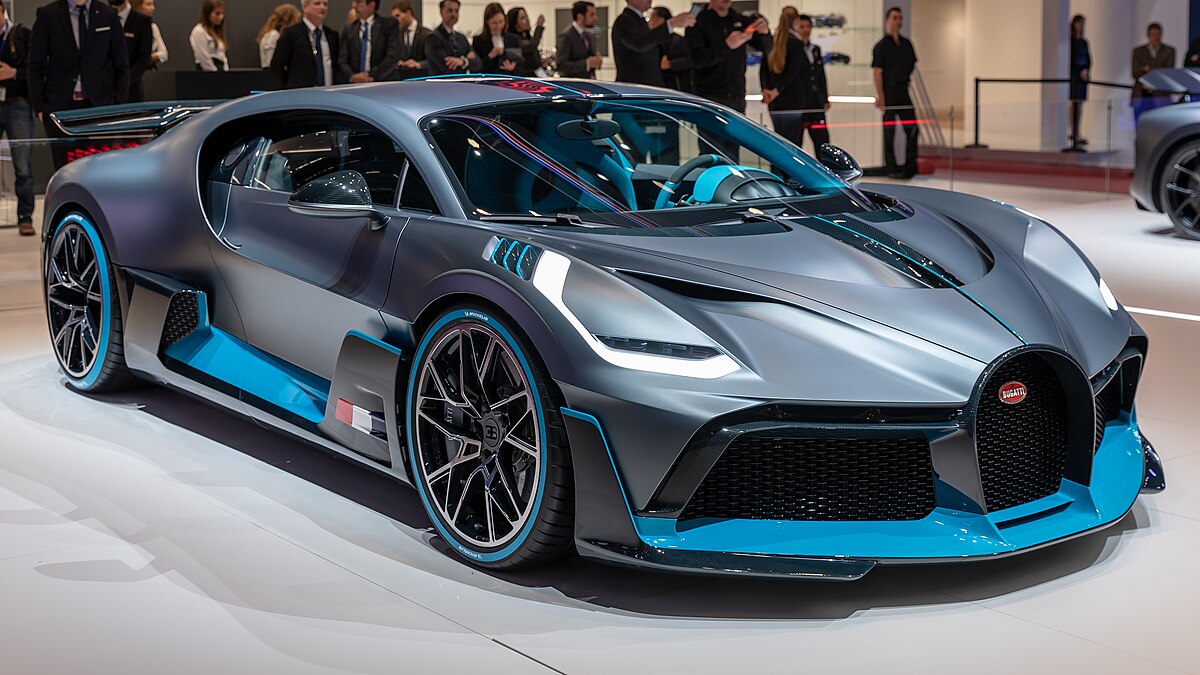
Engineering highlights include aggressive aero, chassis tweaks and a W16 that remains a technical marvel. For collectors, the Divo’s value comes from being a “drivers’ hypercar” with exclusivity baked in. The secondary market often pushes prices well above list. (CarBuzz)
Final take — why these cars matter beyond price tags
These ten cars illuminate two converging trends. First, hyper-wealth clients increasingly purchase narratives: coachbuilt stories, hand-made details and provenance matter more than raw lap times. Second, automotive craft is morphing into a luxury commodity akin to haute couture and contemporary art — scarcity, authorship, and museum-grade production values drive price.
From an investor’s perspective, these cars are volatile and illiquid compared with traditional assets, but they also carry cultural cachet and can appreciate — particularly those tied to storied marques or limited series. From a cultural perspective, they show how cars have become canvases for identity and legacy.