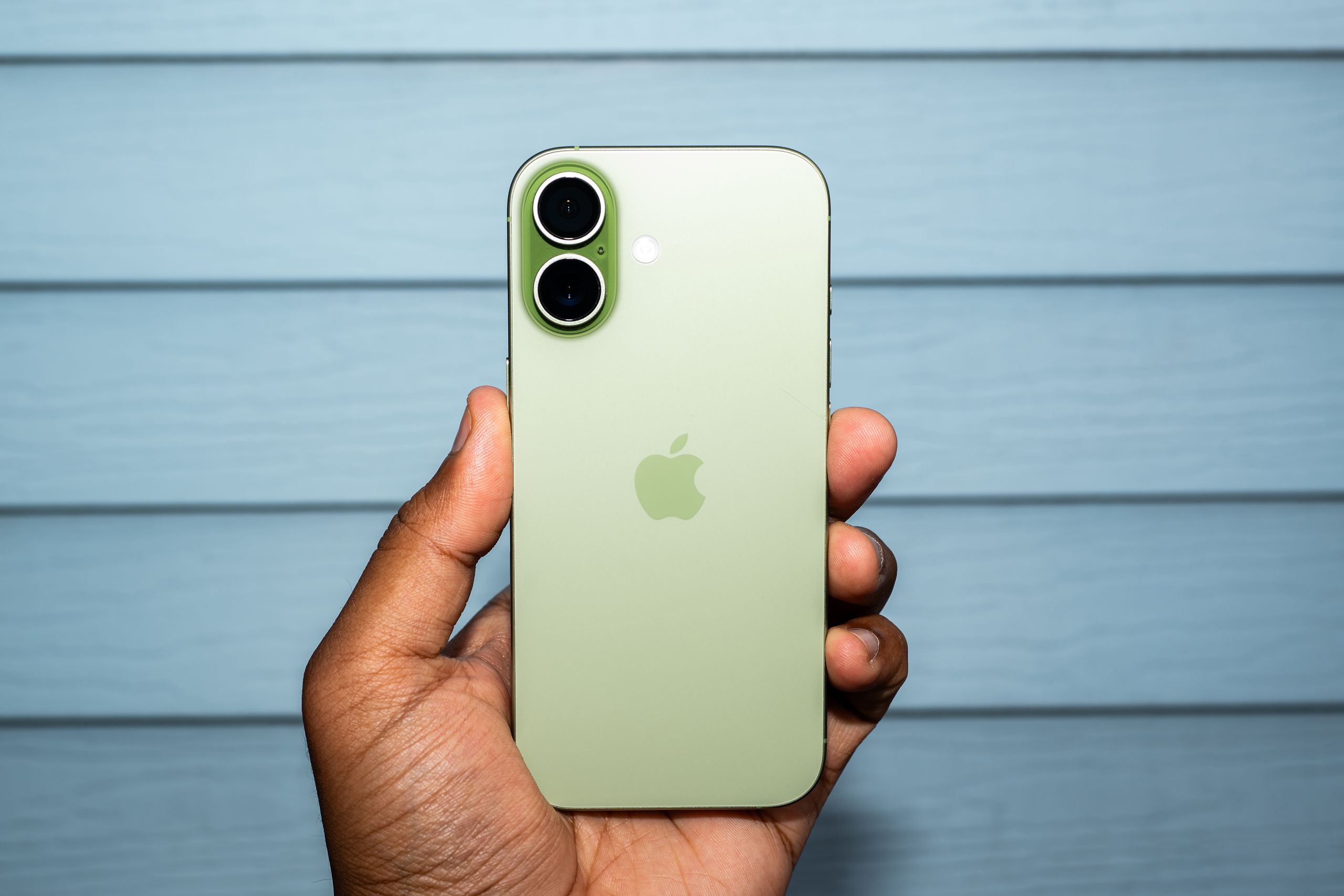

Introduction & Launch
Apple officially unveiled the iPhone 17 series at its “Awe Dropping” event on September 9, 2025. (Apple) Preorders began on September 12, and the phones started shipping on September 19, 2025. (Apple)
In that event, Apple also introduced two “Pro” models (iPhone 17 Pro and Pro Max) and a new iPhone Air model, which takes the place of the “Plus” variant in the lineup. (The Verge)
Models & Positioning
The 2025 iPhone family includes:
iPhone 17 (standard / base model)
iPhone 17 Pro
iPhone 17 Pro Max
iPhone Air (a new ultra-thin model) (The Verge)
Apple has effectively replaced the Plus line with the Air model, focusing on a thinner, lighter alternative rather than just a larger screen. (AppleInsider)
Design & Display
Standard iPhone 17
Display: 6.3-inch Super Retina XDR OLED with ProMotion (120 Hz adaptive refresh) (Apple)
Always-On display capability (thanks to LTPO) (The Verge)
Brightness: Up to ~3,000 nits peak (for HDR / sunlight) (The Verge)
Build & Durability: Uses a new “Ceramic Shield 2” front cover, which Apple describes as having ~3× better scratch resistance over the prior generation. (Apple)
Dimensions & Weight: Roughly 149.6 × 71.5 × 7.95 mm, weighing ~177 g (Wikipedia)
Colors: Black, White, Lavender, Mist Blue, Sage (Apple)
The design is evolutionary rather than radical for the standard model: Apple retained a familiar layout (dual rear cameras, recognizable frame) but upgraded internals and display. (AppleInsider)
Pro & Air Models (Highlights)
The Pro and Pro Max get a unibody aluminum frame (departing from some prior layered designs) and improved thermal management, including vapor chamber cooling. (AppleInsider)
Pro versions also introduce a new camera plateau / camera bar design in some media descriptions, spreading the camera bump across more of the back surface. (WIRED)
iPhone Air is extremely slim (just ~5.6 mm thick in some reports) and uses a titanium-aluminum alloy frame to reduce weight and improve strength. (WIRED)
Internal Hardware & Performance
Chips / Processing
The standard iPhone 17 is powered by Apple’s A19 chip. (Apple)
Pro and Pro Max models use A19 Pro, a higher-end variant designed to support heavier workloads. (Apple)
This generation also emphasizes on-device AI, integrating neural accelerators in the GPU cores and a 16-core Neural Engine. (MacRumors)
iPhone 17 is reported to include 8 GB of RAM in its standard version. (MacRumors)
Storage & Variants
For the base iPhone 17, Apple doubled the entry-level storage to 256 GB, with a 512 GB option also offered. (Apple)
Pro variants offer even higher storage tiers (512 GB, 1 TB) depending on model and region. (Apple)
Battery & Charging
The iPhone 17 standard uses a battery around 14.351 Wh (≈ 3,692 mAh) per spec listings. (Wikipedia)
It supports fast charging (with a 40 W+ adapter, you can reach ~50 % in ~20 minutes) (Wikipedia)
Wireless charging (MagSafe / Qi 2) is supported as usual. (Wikipedia)
For the Pro Max version, independent tests show very strong battery endurance: over 17 hours 54 minutes of web browsing over 5G in one benchmark. (TechRadar) Meanwhile, the standard iPhone 17 lags behind several competitors in the same test (about 12:47 in that specific benchmark) (TechRadar)
Camera & Imaging
One of the marquee upgrades across the iPhone 17 line is the camera system.
iPhone 17 (Standard)
Rear Cameras: Both lenses (Main wide + Ultra Wide) are now 48 MP “Fusion” sensors. (Apple)
The main camera includes a built-in optical-quality 2× telephoto capability (i.e. the sensor can crop with high fidelity) rather than relying solely on a separate telephoto lens. (Apple)
The ultra-wide camera sees a major upgrade in resolution, capturing more detail especially useful for macro shots. (Apple)
Front / Selfie Camera: Apple introduces a new Center Stage front camera with a square sensor (1:1) and up to 18 MP. This allows more flexible framing (portrait or landscape) and better stabilization. (Apple)
Dual Capture is supported: you can record via both front and rear cameras simultaneously. (Apple)
Photographic Styles & Smart HDR continue, with an added “Bright” style in iOS 26 to brighten skin tones. (Apple)
iPhone 17 Pro & Pro Max
All three rear cameras (wide, ultra-wide, telephoto) are 48 MP “Fusion” sensors. (Apple)
The telephoto lens uses a next-generation tetraprism design that allows greater zoom reach (Apple claims up to 8× optical cropping in some models) and improved brightness/sharpness. (Apple)
The sensor size for the telephoto is ~56 % larger than the prior generation, giving better performance in bright and low-light scenarios. (Apple)
Apple promotes that the Pro models effectively offer “eight pro lenses in your pocket” given the flexibility, high resolution, and computational imaging pipeline. (Apple)
Software & Features
All models ship with iOS 26 and integrate new Apple Intelligence (AI/ML) features. (The Verge)
The base iPhone 17 model adds features that used to be exclusive to Pro models, such as ProMotion (120Hz) display and Always-On functionality. (The Verge)
Memory Integrity Enforcement (MIE) is introduced: a hardware + OS memory-safety mechanism intended to harden critical parts of the system like kernel and key processes. (Wikipedia)
Support for modern connectivity: 5G NR, WiFi 7, Bluetooth 6 (in some models) — though exact support may vary by region. (The Verge)
Pricing & Availability
iPhone 17 starts at $799 (USD) for the 256 GB model. (The Verge)
iPhone Air starts at $999 (The Verge)
iPhone 17 Pro starts at $1,099 (Apple)
iPhone 17 Pro Max starts at $1,199 (The Verge)
Pricing in Nigeria or African markets is typically higher due to import duties, taxes, and distribution margins. When it becomes available locally, expect markups beyond USD list prices.
Early Feedback, Issues & Observations
The iPhone 17 lineup has generally received positive reviews, though not without a few bumps:
Best-value standard iPhone: Reviewers highlight that the standard iPhone 17 gives “Pro-level” features (120 Hz display, 48 MP cameras) without the Pro premium. (TechRadar)
Battery trade-offs: The Pro Max model shines in battery tests, but the standard iPhone 17 lags by comparison to rivals. (TechRadar)
“Scratchgate”: Some users and reviewers have noticed minor scratches or residue marks on the backs of display units or new phones, possibly caused by older MagSafe chargers. Apple is quietly replacing chargers in stores with versions that include a silicone ring to reduce residue transfer. (Tom's Guide)
Apple Intelligence glitch: Some users experienced difficulty accessing or enabling the new AI / Apple Intelligence features shortly after launch, though a server-side fix has reportedly resolved it. (Tom's Guide)
Supply constraints: Retailers in many markets (including off-Apple channels) are reporting limited supply, making the iPhone 17 models harder to acquire during peak demand periods. (The Economic Times)
These issues are early and relatively minor — nothing suggests a systemic failure — but they’re worth watching as real-world usage (weeks, months, years) accumulates.
Strengths & Limitations (As of Launch)
Strengths
Major upgrades in camera quality even in the base model (dual 48MP)
The adoption of ProMotion / 120 Hz / Always-On in the standard model
Increased base storage (256 GB) by default
Strong performance from the A19 / A19 Pro and neural enhancements
Attractive design and durability (Ceramic Shield 2)
More features trickling down from Pro to standard models (less clear “middle ground”)
Limitations / Concerns
Battery life on standard iPhone 17 is solid but not class-leading
The price jump from previous base models may feel steep to some
Real-world durability and long-term performance remain to be seen
Supply shortages might limit availability, especially in non-U.S. markets
Minor issues (scratches, residue) at launch may affect early adopters
What It Means for You & Whether to Upgrade
If you’re using an older iPhone (say iPhone 13 or earlier), upgrading to iPhone 17 offers tangible improvements: faster performance, better cameras, smoother display, and increased storage. The standard model now offers many features that were previously reserved for Pro models.
However, if you already own a Pro from a recent generation, the jump may feel less dramatic unless you specifically need the improved telephoto, battery (in Pro Max), or upgraded AI / neural computing capabilities.
For buyers in Nigeria or other regions outside the U.S., it’s worth waiting for reliable local supply, checking warranty / repair support, and comparing the cost premium you’ll pay over the base USD price.