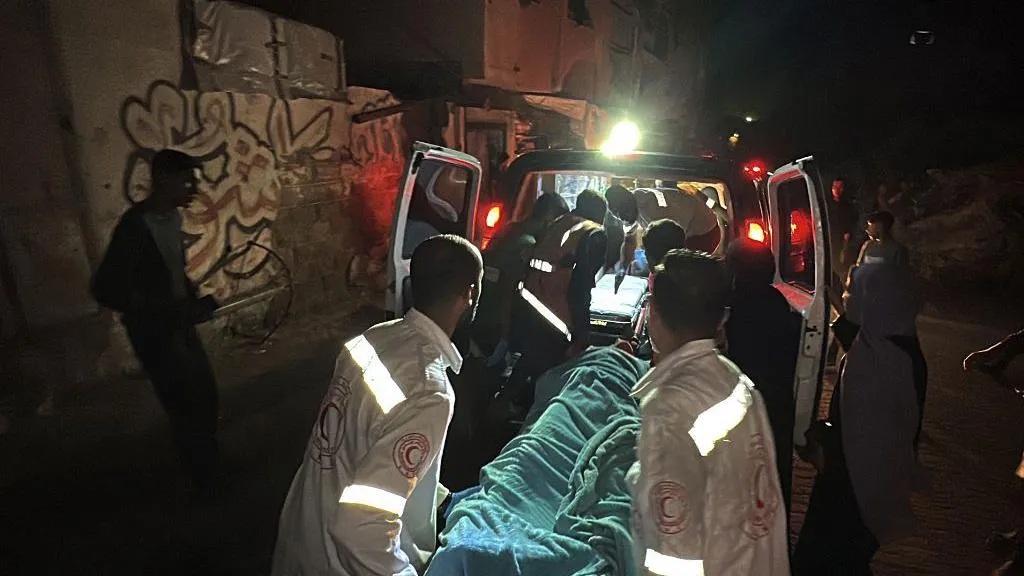
Israeli air-and-artillery strikes across the Gaza Strip overnight left at least 90 dead, including at least 24 children, according to Gaza health officials. (haaretz.com) The highly deadly barrage comes days after the US-mediated cease-fire, which commenced on October 10, appeared to unravel following an attack on Israeli forces. (AP News)
Israeli Prime Minister Benjamin Netanyahu ordered the strikes in retaliation after his government claimed the killing of an Israeli soldier — an incident it attributed to alleged Hamas sniper fire near Rafah. (Reuters) The IDF says it targeted more than 30 Hamas operatives in the strikes and then announced it would return to observing the cease-fire. (New York Post)
According to Gaza’s Civil Defence and hospital officials, many of the victims were civilians. One spokesperson called the night of bombing “catastrophic and terrifying,” saying homes, tents for displaced persons and an area near a hospital were hit. (The Guardian)
Why This Matters
Cease-fire fragile: The incident marks the bloodiest breach since the cease-fire began, underscoring how tenuous the truce is and how quickly escalation can recur.
Civilians bear the brunt: The death toll, including hundreds of women and children, intensifies scrutiny over IDF targeting practices and raises questions about compliance with international humanitarian law.
Geopolitical ripple: With the US publicly backing Israel’s right to respond while stressing the cease-fire must hold, this episode raises the risk of a broader conflagration. (Reuters)
Human-rights concern: Rescue services and health-care facilities reported being overwhelmed, and some claim the bombardment occurred when first responders were on site — raising alarm about “double-tap” strikes. (+972 Magazine)