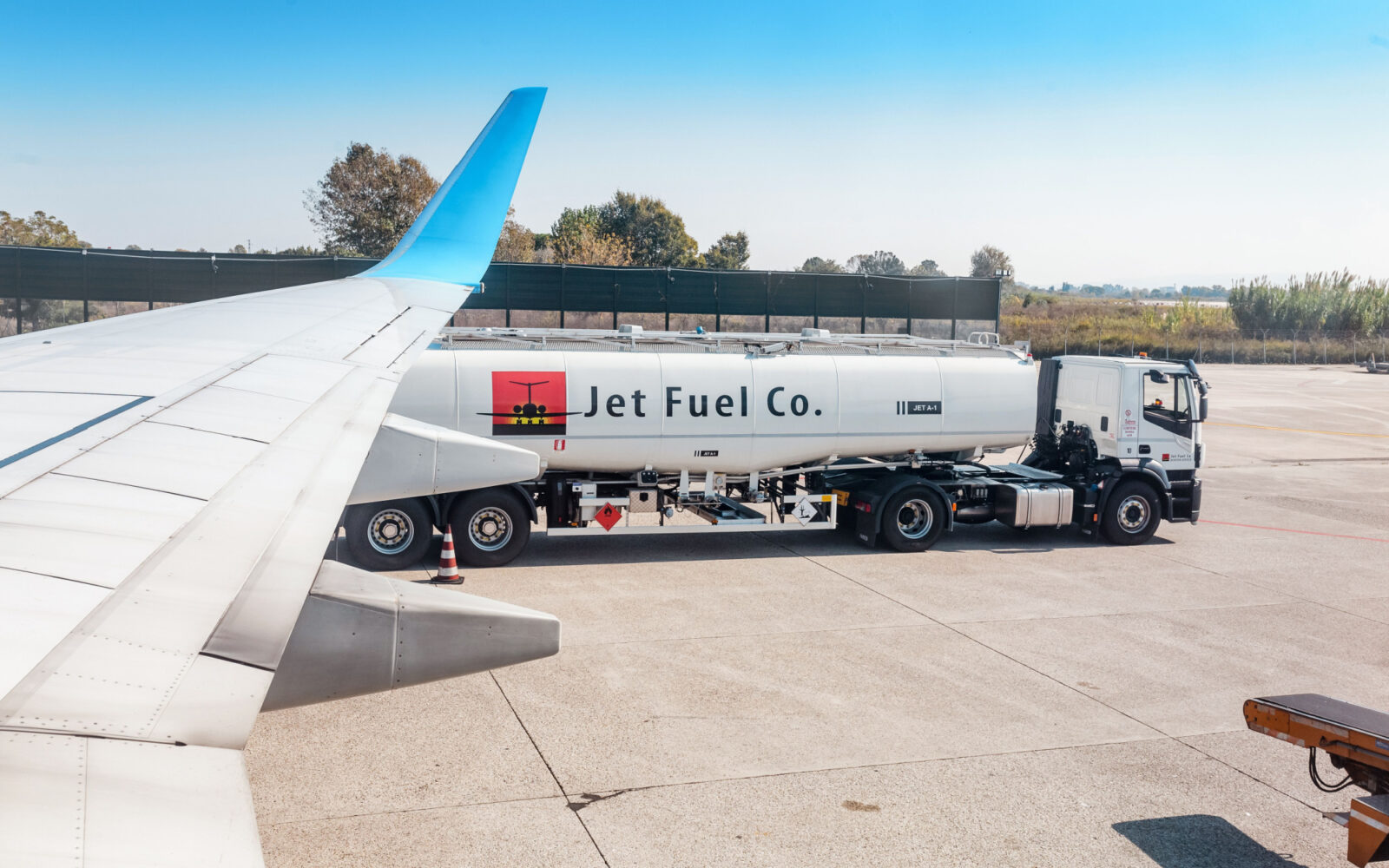
In 2025, global airlines are experiencing a paradoxical fuel crisis. Conventional jet fuel prices have dropped—averaging $86 per barrel, down from $99 in 2024, saving the industry an estimated $25 billion (Reuters)—but the cost of sustainable aviation fuel (SAF) has surged to 4.2 times that of jet fuel (FlightGlobal). This sharp rise is undermining the financial relief brought by cheaper fossil-based fuel.
Mounting Compliance Costs
The International Air Transport Association (IATA) warns that SAF-related expenses, driven by European blending mandates and limited supply, are crippling airlines already operating on thin margins. In 2024, SAF added $1.6 billion in extra costs, and with production expected to hit 2 million tonnes in 2025, that figure is set to climb (Reuters). Yet SAF will still account for less than 1% of total airline fuel use, making the economics unsustainable.
Regulatory Pressure Without Supply
European regulations, including a 2% SAF blending mandate, are outpacing production capabilities. Airlines are willing to comply but lack access to affordable SAF. IATA Director General Willie Walsh criticized fuel suppliers for “profiteering” and called for urgent ramp-up in SAF production (FlightGlobal). Meanwhile, the CORSIA carbon offset scheme is expected to add another $1 billion in costs this year, with only Guyana offering suitable offset credits (Reuters).
Impact on Passengers and Operations
Fuel typically represents 20–30% of airline operating costs, and fluctuations directly affect ticket prices. Airlines are responding with dynamic pricing, fuel-efficient aircraft investments, and route adjustments to manage costs. However, geopolitical tensions, supply chain disruptions, and environmental regulations continue to pressure margins and limit growth (FlightGlobal).
Outlook: Profitability Under Threat
Despite the drop in jet fuel prices, the industry’s path to profitability remains precarious. The SAF premium, regulatory burdens, and volatile oil markets are reshaping airline economics. Without coordinated global efforts to scale SAF production and streamline compliance, experts warn that rising fuel costs could stall both financial recovery and climate progress (Reuters).