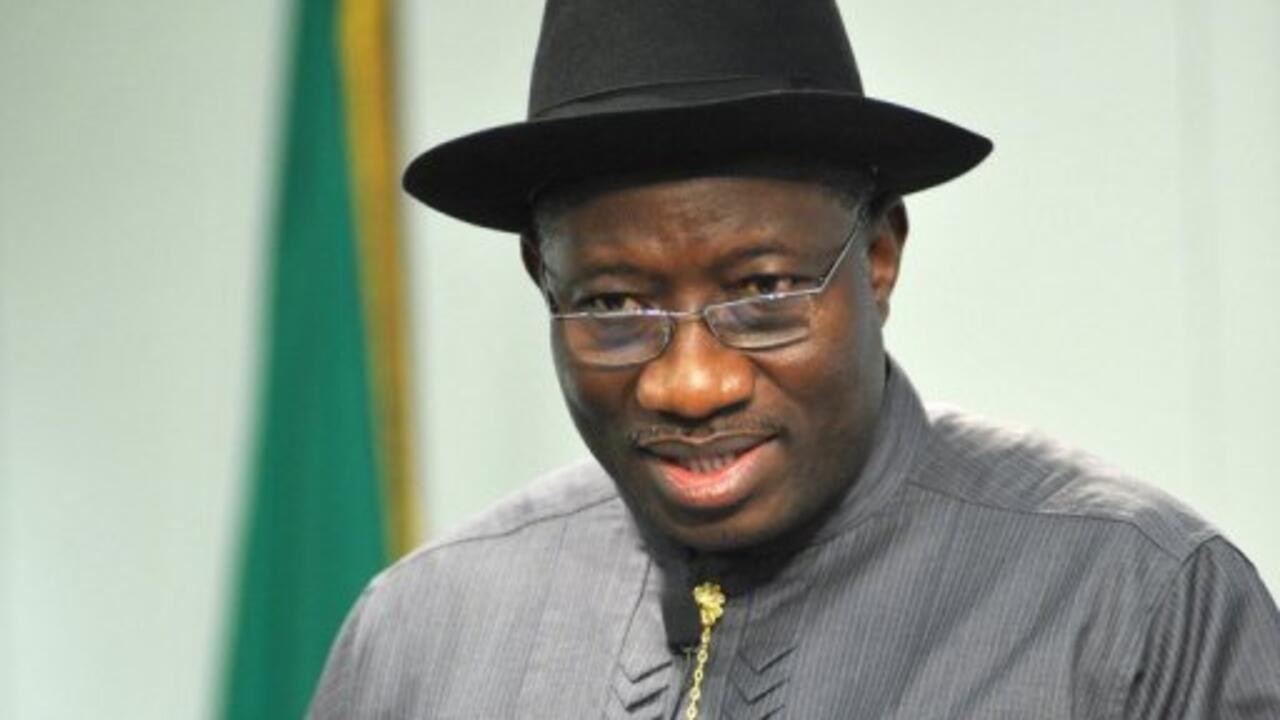
Former President Goodluck Jonathan has dismissed reports of a full-scale coup in Guinea-Bissau, calling the incident a “ceremonial coup” rather than a genuine military overthrow.
Jonathan, who was in Guinea-Bissau as head of the West African Elders Forum Election Observation Mission, explained that the situation was unusual because it was President Umaro Sissoco Embaló himself who announced the coup, despite still appearing free and in control. He noted that the paradoxical circumstances—where the supposedly ousted president continued to make pronouncements—did not align with the typical features of a military takeover.
Speaking in Abuja after his safe evacuation from Guinea-Bissau, Jonathan stressed that the real issue was the failure to release the collated election results, which has fueled political instability. He urged ECOWAS and other regional institutions to ensure transparency by publishing the results, warning that withholding them risks eroding public trust in democracy.
Jonathan also thanked Nigerians and the international community for their concern during the tense period, emphasizing that the incident highlights the fragility of democratic institutions in West Africa.
Context and Implications (woven into the narrative)
Jonathan’s remarks underscore the growing unease over democratic backsliding in West Africa, where coups and military interventions have become increasingly common. By labeling the Guinea-Bissau incident a “ceremonial coup,” he sought to distinguish it from outright seizures of power, framing it instead as a political maneuver tied to election disputes.
Analysts note that his intervention places pressure on ECOWAS to act decisively, both to clarify the situation in Guinea-Bissau and to reassure citizens across the region that democratic processes will be upheld. The episode also highlights the risks faced by election observers and regional mediators, who can be caught in volatile political crises.
Sources: