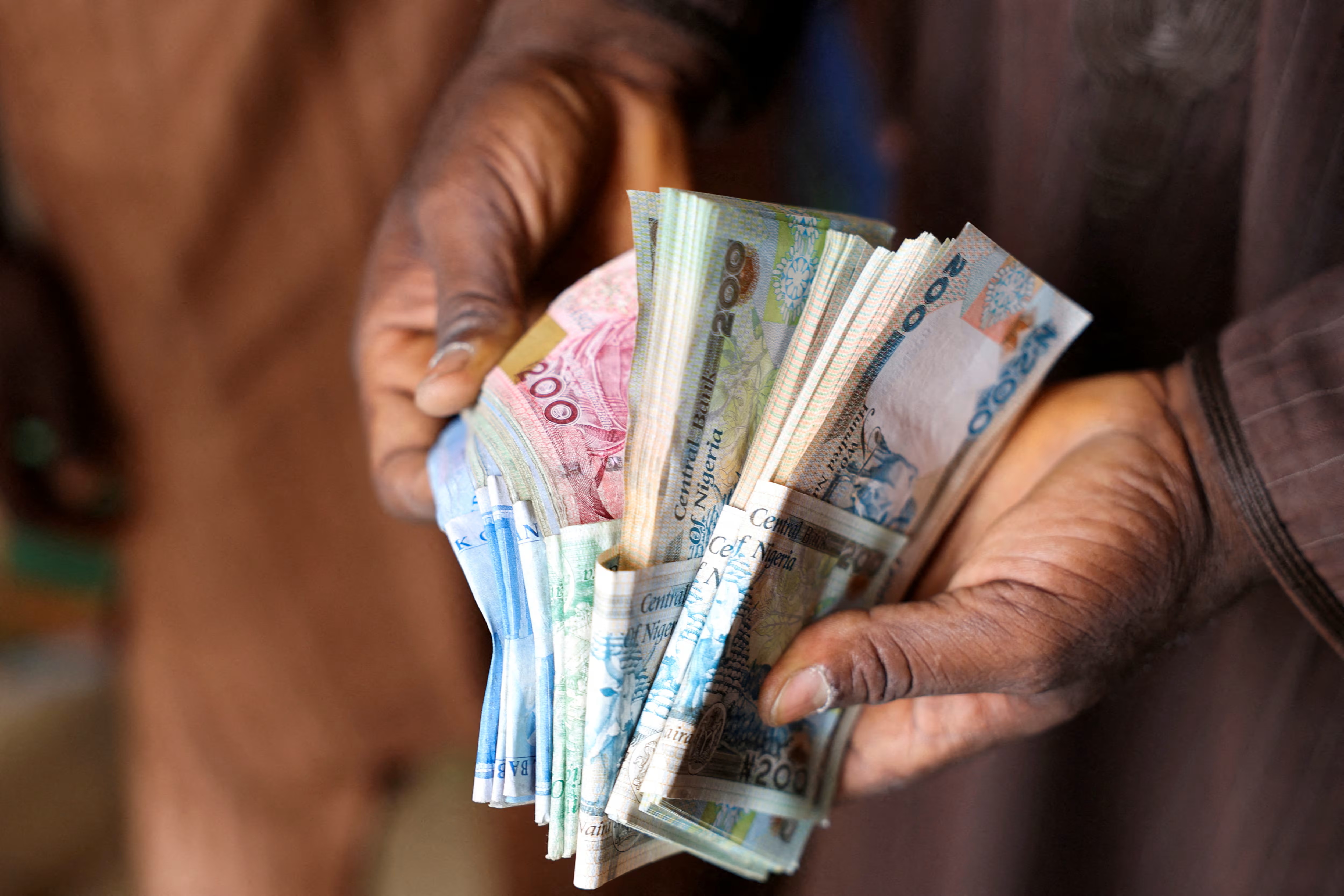
Nigeria has now officially exited the FATF “grey list” of jurisdictions under increased scrutiny for anti-money-laundering (AML) and counter-terrorist-financing (CFT) deficiencies — a move that carries significance for the country’s currency and financial markets. (Reuters)
Immediate Currency Reaction
Following the announcement, the Nigerian naira experienced modest gains, reflecting improved investor sentiment and reduced perceived risk for capital flows. Local reports indicate that banks and currency markets responded positively to the delisting. (Businessday NG)
Although detailed intraday exchange-rate metrics have not been fully disclosed, the broader implication is that fewer restrictions and frictions around international banking and funds transfer should help ease some pressure on the currency.
Why This Move Matters for the Naira
Removal from the grey list signals to global banks and investors that Nigeria’s financial-crime controls have improved — reducing the risk premium on Nigerian assets and the currency. (Financial Times)
With less international scrutiny, correspondent-banking relationships are likely to expand, cross-border payments may become smoother, and foreign capital may face fewer hurdles — all of which can support the naira through improved liquidity. (Reuters)
The improved credibility may attract more foreign direct investment (FDI) and portfolio flows, which tend to bring dollars into the country and support the naira.
Caution Still Needed
While the delisting is positive, analysts caution that it is not a guarantee of sustained currency strength. Key factors to monitor include:
Consistent enforcement of AML/CFT reforms — gains in sentiment can be reversed if reforms lose momentum.
Structural pressures on the naira remain: current account deficits, inflation, and external debt servicing still matter.
Exchange-rate stability will also depend on effective monetary policy from the Central Bank of Nigeria (CBN) and a favorable external environment.
What to Watch
Daily and weekly movements of the naira against major currencies (USD, especially).
Trends in foreign-capital flows: whether the delisting triggers increased foreign bank openness to Nigeria.
Statements from the CBN and Finance Ministry regarding the implementation of reforms and currency policy.
Any signs of reversal in market sentiment — especially if global risk gluts or local structural issues dominate.