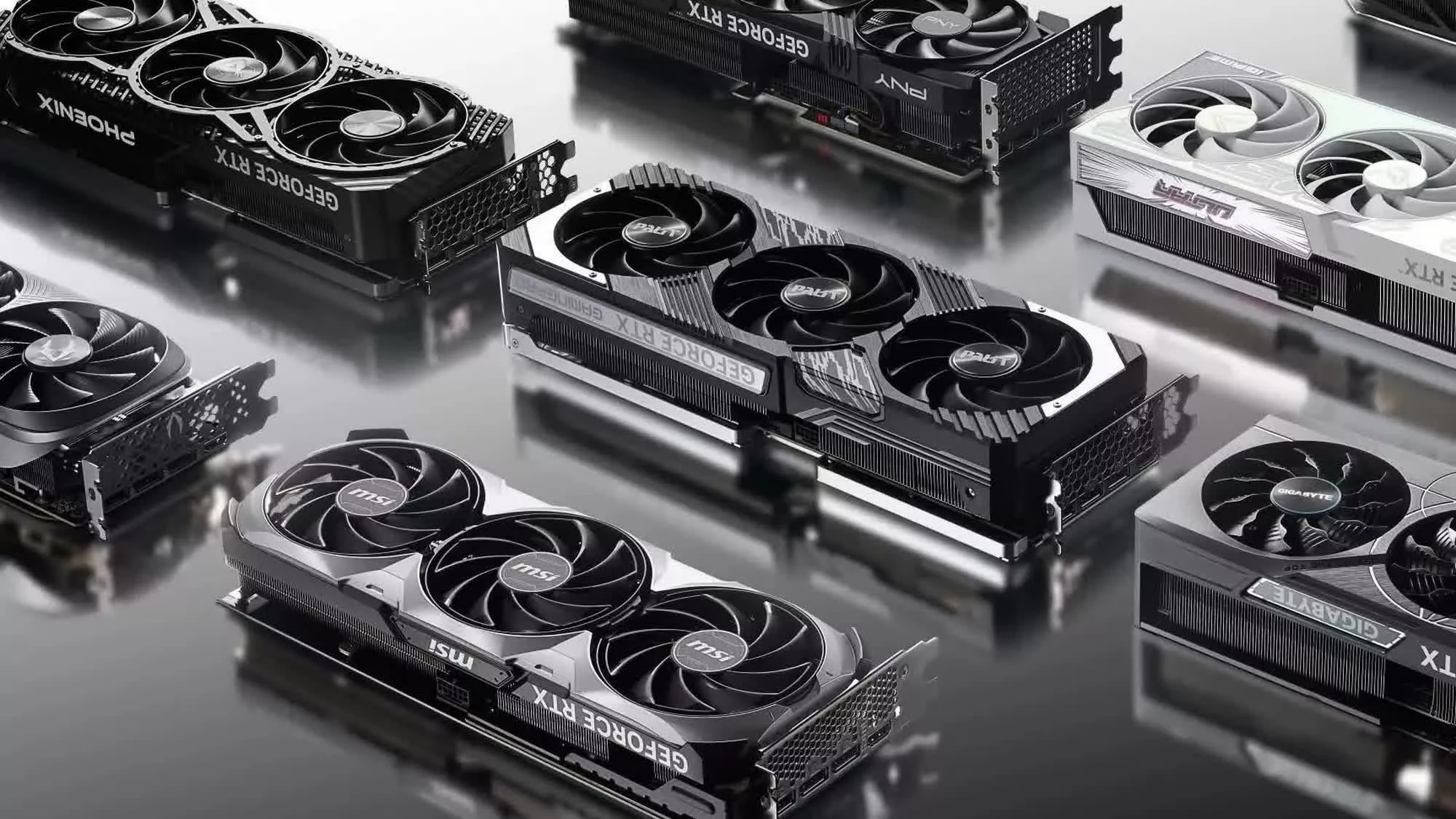
Nigeria is making a bold stride into the artificial-intelligence era, shifting focus from oil exports toward becoming a major provider of GPU-based computing power for the continent. Several industry initiatives and infrastructure investments point to Lagos and wider Nigeria building what insiders are calling “Africa’s AI backbone.”
One high-profile figure leading this push is Alex Tsado, formerly of NVIDIA, who now heads infrastructure efforts via two organisations: his non-profit Alliance4AI and the commercial venture Udutech. According to a recent profile, Tsado’s mission is clear: “In the age of AI, GPUs are the refineries.” (source)
In August 2025 Udutech launched the “Africa GPU Hub” in Lagos, providing rental access to high-performance GPUs at prices optimised for African startups (reported as less than US$1 per hour). This hub links local servers with GPU clusters across Africa, enabling developers, universities and research centres to train and deploy AI models without prohibitive import or equipment costs. (source)
Beyond that, the broader ecosystem is gaining momentum. Nigerian infrastructure firms and telecoms are investing heavily in AI-ready data centres:
Open Access Data Centres (OADC) is building a 24 megawatt Tier III facility in Lekki, Lagos, designed to support hyperscale AI workloads and leveraging submarine cable connectivity. (source)
Airtel Nigeria is committing US$120 million to build a 38-megawatt hyperscale AI-focus data centre in Eko Atlantic, Lagos, receiving its first GPU shipments. (source)
Itana — a digital free-zone development in Lagos — is creating a full-stack “AI and data growth zone” that combines compute, modular data centres and talent pipelines. (source)
Why it matters:
Strategic shift from oil to compute: Nigeria’s attempt to replicate the value chain model of the oil era (refining, local value capture) now applies to AI infrastructure—GPUs become the “refineries” of data and models rather than crude.
Reducing dependency & latency: Local GPU and data-centre infrastructure means less reliance on foreign cloud providers and lower latency for African AI applications—vital for sectors like fintech, agriculture, health. (source)
Scaling African innovation: Affordable access to GPU compute opens the door for African-led startups to train models, produce AI solutions tailored to local markets, and attract global investment.
Infrastructure meets policy: Nigeria’s digital economy policy backdrop (such as data-residency laws, submarine cable investments) supports the physical build-out of compute infrastructure. (source)
Challenges AND caveats:
Manufacturing gap remains: While GPU access is increasing, manufacturing GPUs locally remains far off. The global GPU supply chain is dominated by regions like Taiwan, South Korea and China. (source)
Talent & operational costs: Computing infrastructure requires high electrical and cooling overheads; Nigeria must also build and retain AI engineering and operations talent. (source)
Export versus local benefit: The vision is export and local use, but capturing value will depend on building downstream AI businesses—not just hosting GPU racks.
Competition across Africa: Nigeria is not alone; countries like South Africa, Kenya and Egypt are also vying for AI infrastructure leadership. (source)