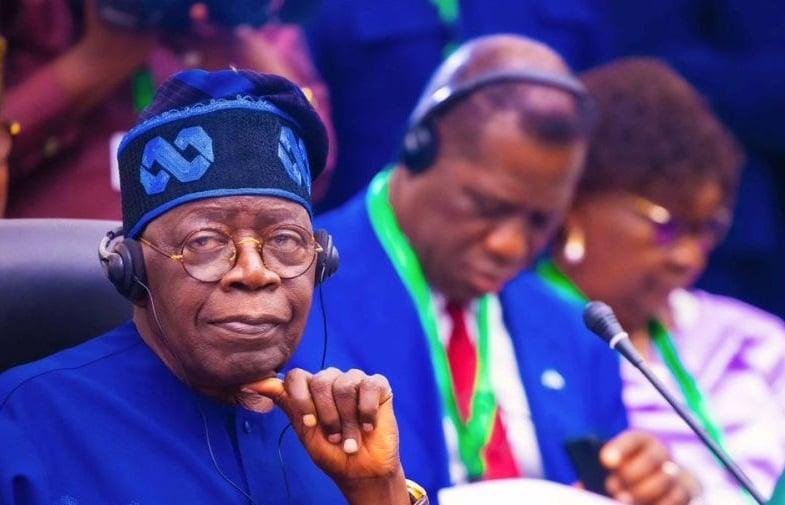
Nigeria has officially been removed from the Financial Action Task Force’s (FATF) “Jurisdictions under Increased Monitoring” list — often called the “grey list” — following the watchdog’s plenary meeting on 24 October 2025 in Paris. (FATF)
What this means
The removal signifies that Nigeria met the FATF’s required reforms to strengthen anti-money-laundering (AML) and counter-terrorist-financing (CFT) regimes. Among the changes cited are improved inter-agency coordination, better regulation of financial institutions, enhanced oversight of non-financial businesses and professions, and greater international cooperation. (FATF)
According to the FATF:
“The FATF welcomes Nigeria’s significant progress in improving its AML/CFT regime … Nigeria strengthened the effectiveness of its AML/CFT regime to meet the commitments in its action plan …” (FATF)
Business-analytics commentary suggests that being off the grey list may ease capital flows, reduce funding costs and boost Nigeria’s attractiveness to international investment. (Business Insider Africa)
Why it matters
Being placed on the grey list typically signals to international banks and investors that a jurisdiction has “strategic deficiencies” in its financial-crime controls. This can raise transaction costs, restrict cross-border financial services and hamper investor sentiment. (Financial Times)
Now removed, Nigeria stands to benefit from:
Lower perceived risk by correspondent banks and global financial institutions.
Improved credibility of Nigeria’s regulatory and enforcement institutions.
A potential uptick in foreign direct investment (FDI), trade finance and bank correspondent relationships.
Renewed momentum for reform and financial-system integrity.
The background
Nigeria was first placed on the grey list in February 2023, after the FATF identified serious shortcomings in Nigeria’s AML/CFT framework. (Facebook)
To achieve delisting, Nigeria worked through a multi-point action plan (often cited as a 19-point plan) under its national agencies, including the Nigerian Financial Intelligence Unit (NFIU) and the Economic and Financial Crimes Commission (EFCC). (saharareporters.com)
The FATF’s own statement shows the list of jurisdictions no longer subject to increased monitoring now includes Nigeria. (FATF)
Quotes of note
Finance Minister Wale Edun:
“This development reinforces confidence in our economy and the integrity of our monetary and financial systems, signalling to investors and global partners that Nigeria’s institutions are strong, transparent and internationally trusted.” (Business Insider Africa)
NFIU Director / CEO Hafsat Abubakar Bakari:
“Nigeria’s removal from the FATF grey list is a true test of our resilience, coordination and unwavering commitment to reform. It is a clear signal to the world that Nigeria can meet and exceed global standards in financial integrity.” (saharareporters.com)
Caveats & next steps
Despite this positive news, analysts caution that delisting is not the end of the road. The key is sustaining reforms: delivering convictions for financial crime, maintaining beneficial-ownership records, enforcing regulations on non-financial businesses, strengthening cross-border cooperation and upgrading the capacity of supervisory agencies. (Business Insider Africa)
For Nigeria, the challenge now shifts from compliance to effectiveness — turning regulatory boxes into measurable outcomes: faster prosecutions, stronger audits, asset-seizure regimes, real deterrence of illicit financial flows.
Implications for tech, fintech and business sectors
Fintech firms operating in Nigeria could see reduced friction in cross-border payments, correspondent banking relationships and foreign-partner engagements.
Banks and trade-finance units may expand operations, particularly in corporate and small-business lending involving international flows.
Corporate compliance units may face heightened expectations: the “exit” from the grey list raises the bar; regulators and partners will scrutinise Nigeria’s institutions more intensively.
Nigeria’s appeal as an African innovation-hub may get a credibility boost, benefiting startups, foreign investors and international development partners.
In summary
The removal of Nigeria from the FATF grey list marks a significant institutional milestone. It sends a strong signal to investors, financial institutions and global markets that Nigeria is serious about reforming its financial-crime framework. The real test ahead is whether the reforms translate into visible outcomes — credible investigations, prosecutions, asset recoveries and resilient institutions.
For our readers: this is not only about compliance with international check-boxes, but about standing up a financial ecosystem that fosters trust, supports business growth and anchors Nigeria’s ambitions in the global economy.