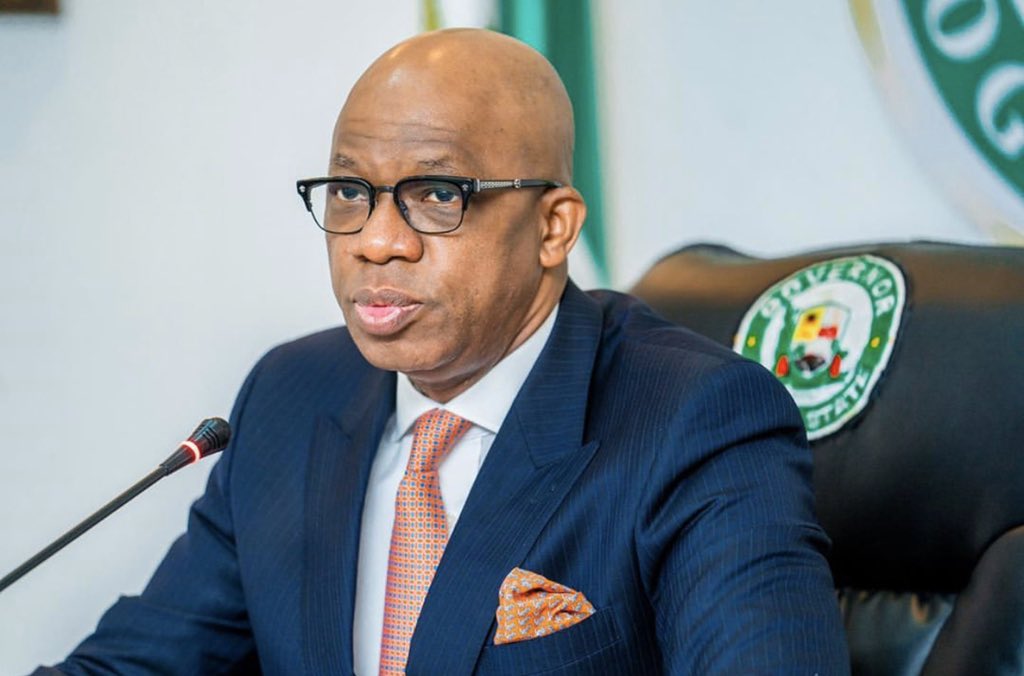
Governor Dapo Abiodun made the declaration while hosting his counterparts from the Southern region at his Iperu-Remo country home in Ikenne Local Government Area. The meeting brought together governors and deputy governors from 17 southern states to deliberate on shared regional concerns, particularly the escalating wave of insecurity.
Abiodun emphasized that recent coordinated attacks targeting schoolchildren and worshippers have shown that no part of Nigeria is insulated from banditry, kidnapping, and terrorism. He argued that the current centralized policing structure is inadequate to address these challenges, making the creation of state police a matter of urgency rather than debate.
“The establishment of state police is no longer negotiable. It is the only way to effectively secure our communities and protect our people,” Abiodun stated.
The meeting was attended by prominent governors including Babajide Sanwo-Olu (Lagos), Siminalayi Fubara (Rivers), Alex Otti (Abia), Biodun Oyebanji (Ekiti), Francis Nwifuru (Ebonyi), Peter Mbah (Enugu), Chukwuma Soludo (Anambra), and Lucky Aiyedatiwa (Ondo). Deputy governors from Osun, Oyo, Cross River, and Edo also participated.
The Southern Governors’ Forum reaffirmed its collective demand for true federalism and grassroots security, noting that decentralization would empower states to respond more effectively to local threats.
Abiodun also praised President Bola Tinubu for his recent declaration of a national security emergency, which includes recruiting 20,000 additional police officers and redeploying personnel from VIP protection duties to troubled areas. However, he stressed that federal measures must be complemented by state-level policing to achieve lasting results.
Why This Matters
For Citizens: State police could mean faster response times and better community-level protection.
For Governance: It reflects growing consensus among southern leaders that Nigeria’s security architecture must be restructured.
For Policy: The push for state police ties into broader debates about federalism, resource control, and decentralization.