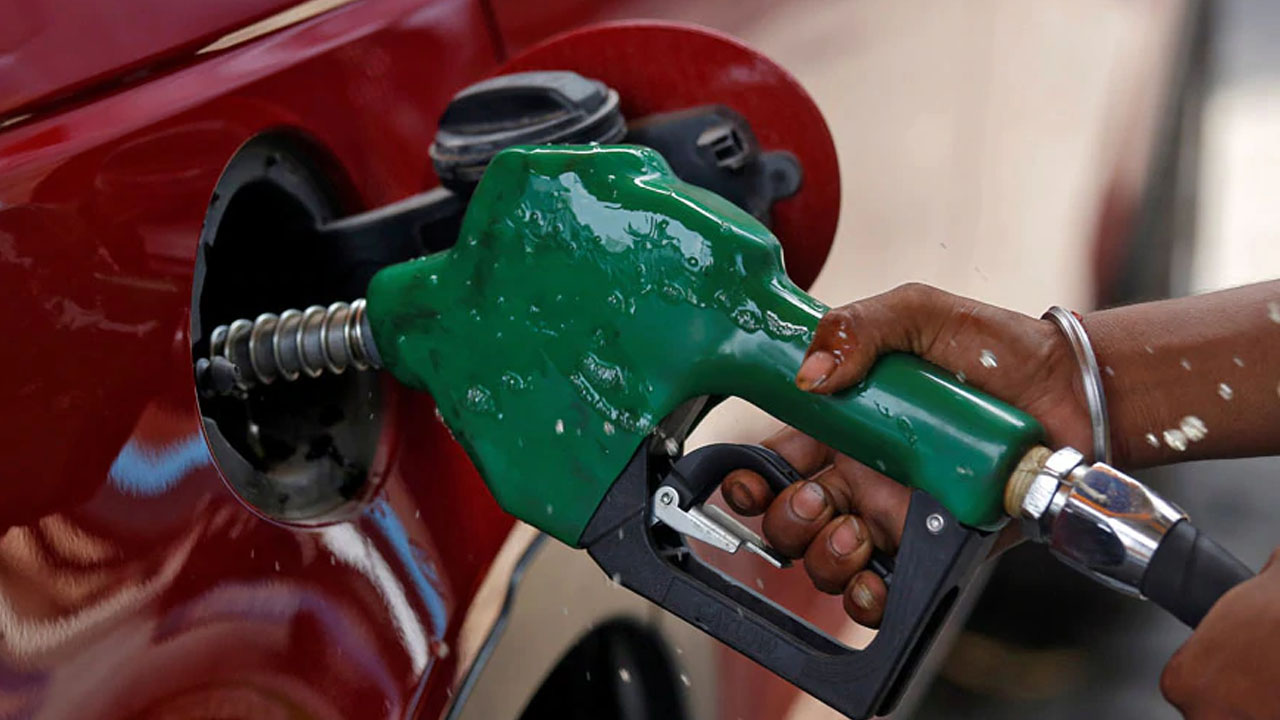
Fuel prices in Nigeria have surged beyond ₦1,000 per litre following President Bola Tinubu’s approval of a 15% import tariff on petroleum products — a move that has sparked widespread public concern and renewed debate over Nigeria’s energy policy direction.
According to reports from Punch Newspapers and Daily Trust, the new tariff is part of the government’s fiscal measures under the 2025 Finance Act, designed to boost non-oil revenue amid declining crude production and rising subsidy arrears. However, the immediate market response has been steep hikes in pump prices across major cities including Lagos, Abuja, and Port Harcourt.
The Nigerian Midstream and Downstream Petroleum Regulatory Authority (NMDPRA) confirmed that the tariff will apply to all imported refined products, adding that local marketers are now adjusting retail prices to reflect the new cost structure.
“This is a necessary step to ensure fiscal sustainability and reduce over-reliance on debt financing,” a senior finance ministry official was quoted as saying. “However, measures are being considered to cushion the impact on citizens.”
Public Outcry and Economic Implications
The development has triggered frustration among transport operators and consumers already grappling with inflationary pressures. Transport fares have risen by as much as 30%, while small business owners warn that production costs will spike further in the coming weeks.
Economic analysts, including energy expert Jide Olanrewaju, told Vanguard that while the move aligns with the government’s drive toward market liberalisation, it risks deepening hardship if not accompanied by targeted relief policies.
“The tariff could generate short-term fiscal gains,” Olanrewaju said, “but without stabilising the naira and ensuring adequate local refining capacity, Nigerians will continue to bear the brunt.”
Government’s Position
Presidential spokesperson Ajuri Ngelale defended the decision, insisting that the tariff will encourage investment in local refining, particularly as the Dangote Refinery and Port Harcourt Refinery prepare for full-scale operations.
Ngelale added that the administration remains committed to a “transparent and competitive” downstream sector that balances fiscal responsibility with social protection.
Outlook
Observers say all eyes will be on how the government implements its promised palliatives and support for local production. The tariff’s long-term success depends on whether it can stimulate domestic refining while keeping inflation in check — a delicate balance that could define the next phase of Tinubu’s economic reforms.
Sources: