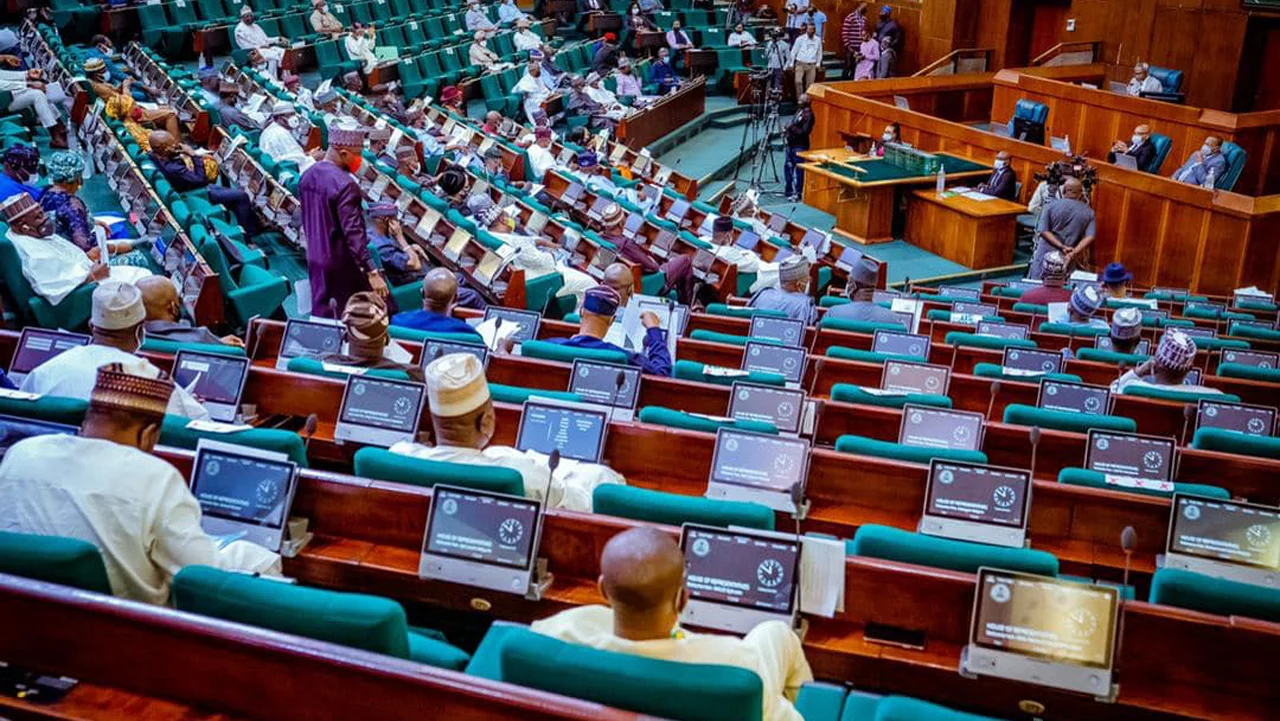
The House of Representatives has approved President Bola Tinubu’s request to borrow US $2.35 billion to help fund part of Nigeria’s 2025 budget deficit and granted authority for a debut US $500 million sovereign sukuk issuance in the international capital market. (TheCable)
In its resolution, the House adopted the report from the Committee on Aids, Loans and Debt Management which recommended the external borrowing plan. (Ripples Nigeria) The borrowing is to be implemented as part of the 2025 Appropriation Act, which estimated a budget shortfall of approximately ₦9.28 trillion. (Businessday NG)
Key highlights
The approved $2.35 billion loan will help cover part of the budget deficit and refinance maturing international debt. (TheCable)
The $500 million sukuk — a Sharia-compliant bond — is designed to diversify Nigeria's investor base and deepen its sovereign securities market. (Businessday NG)
The government may raise the funds through a combination of eurobonds, syndicated loans, bridge financing, or direct borrowing from international banks depending on market conditions. (Channels Television)
Up to 25 % of the sukuk proceeds may be used to repay high-cost existing debt, with the balance channelled into infrastructure financing. (Businessday NG)
Why it matters
The approval marks a significant step in Nigeria’s external financing strategy amid constrained revenue and mounting debt service burdens. The introduction of a sovereign sukuk also signals a move to tap Islamic capital markets — potentially offering access to new sources of funding and possibly lower borrowing costs.
However, the move also raises questions about debt sustainability and the risk of increased exposure to foreign currency obligations. Analysts will be watching how the government manages yields, exchange-rate risks, and the utilisation of the funds.