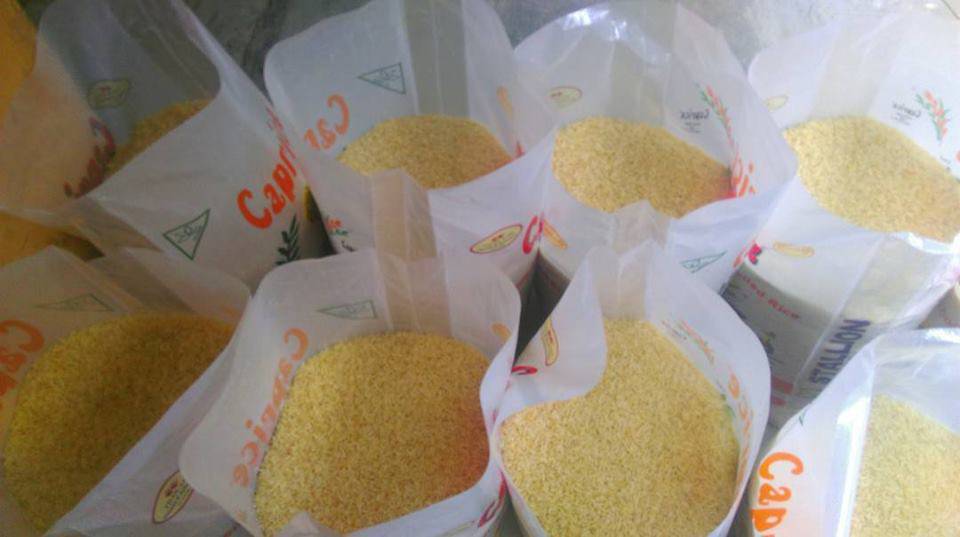
Lagos markets are witnessing a sharp decline in rice prices, as the staple food becomes more readily available. According to market traders and consumers reached by the News Agency of Nigeria (NAN), this sudden easing is largely due to increased supply lines. (Punch Newspapers)
In popular markets such as Oyingbo, Arcade (Oshodi), Festac Town and Mile 12:
A 50 kg bag of local-brand rice that sold for around ₦85,000 in January now goes for between ₦60,000 and ₦70,000. (Punch Newspapers)
Imported rice, which previously fetched around ₦95,000, now sells for about ₦65,000 to ₦75,000, depending on brand and location. (Punch Newspapers)
Traders cite several reasons for the drop: improved local production, reopened land borders facilitating increased imports, and expanded stocks in local markets. (Punch Newspapers) One retailer at FESTAC Town told NAN:
“We have more rice in the market now. Local production improved and imports also increased. When there’s too much supply, prices must drop.” (Punch Newspapers)
Consumers, for their part, have welcomed the relief. One shopper said:
“At least rice is affordable again… now I can buy a full bag for the family. It’s a big relief.” (Punch Newspapers)
However, traders expressed concern over the sudden slide in prices and the effect on their profits. A dealer in Arena Market lamented:
“I bought several bags at ₦80,000 and ₦85,000 early this year, and now I have to sell them for as low as ₦65,000. The fall came suddenly, and it’s been tough for us.” (Punch Newspapers)
Significance
The price drop is significant for several reasons:
For households, especially in Lagos, rice is a core staple — the drop offers relief amid broader cost-of-living pressures.
For traders and the value chain, the sudden price correction poses challenges in inventory, capital, and margin management.
From a policy and food-security perspective, the development shows how supply dynamics (imports, local production, border policy) can rapidly influence staple prices in urban markets.