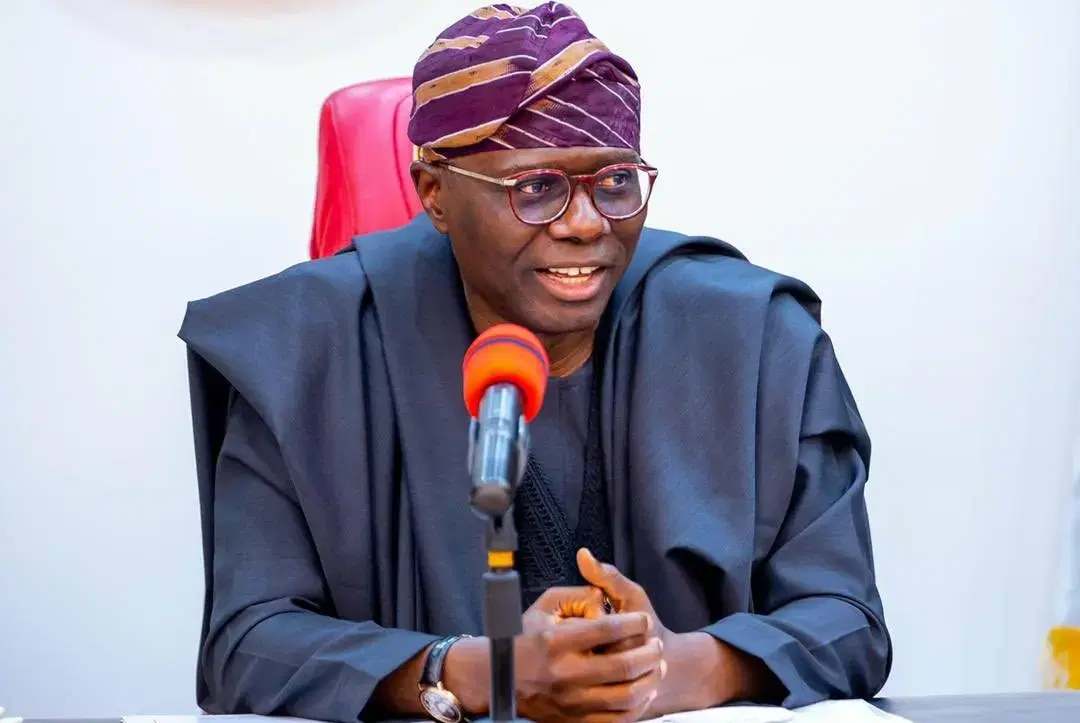
Governor Sanwo-Olu announced that the 2026 budget, the largest in Lagos State’s history, is designed to promote continuity, resilience, and equitable development. He explained that the budget would be structured to balance capital and recurrent expenditure in a way that sustains growth while addressing the immediate needs of residents.
According to the governor, capital expenditure will take up N2.2 trillion, representing 52 percent of the total budget. This allocation, he said, will be directed towards infrastructure projects such as roads, housing, and transport systems, which are critical to sustaining Lagos’s position as Nigeria’s economic hub. On the other hand, recurrent expenditure will account for N2 trillion, or 48 percent of the budget, covering salaries, pensions, and other operational costs of government.
Sanwo-Olu revealed that the state projects revenue of N3.99 trillion, with Internally Generated Revenue (IGR) expected to contribute over N3.1 trillion. He noted that Lagos’s strong IGR performance demonstrates its fiscal independence compared to other states. However, the budget also anticipates a deficit of N243 billion, which will be financed through responsible borrowing and other funding mechanisms.
The governor outlined five strategic pillars guiding the budget: infrastructure sustainability, economic diversification, institutional reforms, human-centred development, and effective governance. He stressed that these pillars align with the state’s T.H.E.M.E.S+ Agenda, which focuses on long-term growth and poverty eradication.
The presentation took place at the Assembly complex under heightened security, with Speaker Mudashiru Obasa presiding. The event was attended by Deputy Governor Dr. Femi Hamzat, members of the executive council, lawmakers, local government officials, and traditional rulers. Sanwo-Olu emphasized that the mission of his administration remains clear: to eradicate poverty and build a Lagos that works for all.
The governor assured residents that the budget would deliver expanded infrastructure and improved social services, particularly in education, healthcare, and housing. He also pledged transparency and accountability in the implementation of the budget, while the Assembly vowed to scrutinize the proposal thoroughly to ensure that funds are used effectively.