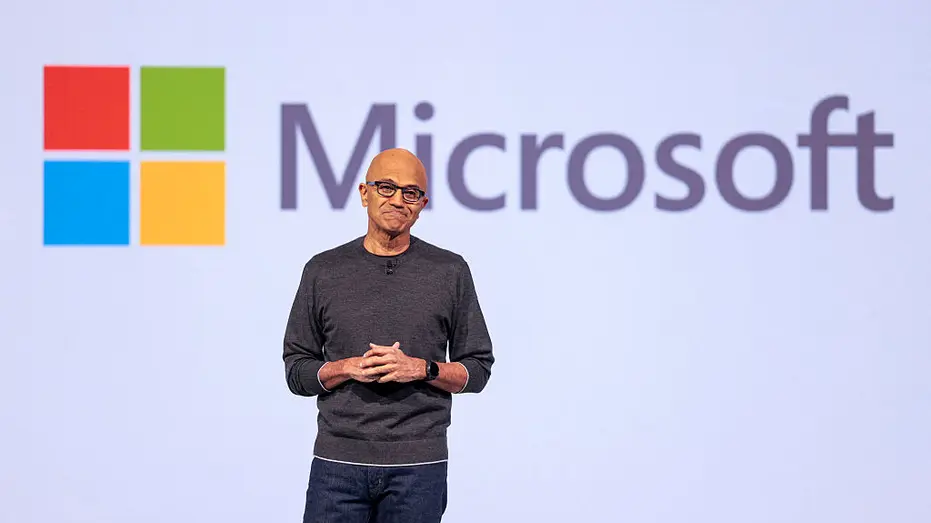
When Satya Narayana Nadella took over as CEO of Microsoft in February 2014, the company was widely seen as a fading giant, struggling to adapt to the mobile revolution and losing ground to rivals like Apple, Google, and Amazon. Eleven years later, Nadella has transformed Microsoft into a $3 trillion technology powerhouse, leading the charge in cloud computing, artificial intelligence, and enterprise innovation. His journey from Hyderabad, India, to the helm of one of the world’s most influential companies is a story of resilience, vision, and quiet determination.
Early Life and Education
Born August 19, 1967, in Hyderabad, India, Nadella grew up in a middle-class family. His father was a civil servant, and his mother taught Sanskrit.
He studied electrical engineering at Manipal Institute of Technology, graduating in 1988.
Nadella moved to the United States for graduate studies, earning a master’s degree in computer science from the University of Wisconsin–Milwaukee and later an MBA from the University of Chicago Booth School of Business Wikipedia.
Joining Microsoft
Nadella joined Microsoft in 1992, after a stint at Sun Microsystems.
He quickly rose through the ranks, working across divisions including Online Services, Business Solutions, and eventually leading the Cloud and Enterprise Group.
His pivotal role came in building Microsoft Azure, the company’s cloud computing platform, which today rivals Amazon Web Services (AWS) Microsoft News.
Becoming CEO
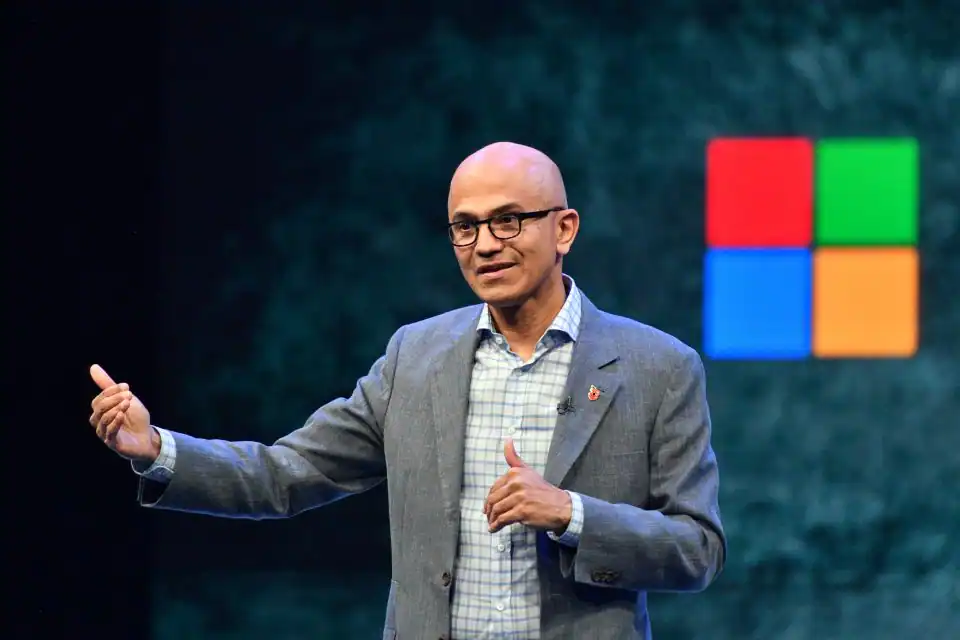
In 2014, Nadella succeeded Steve Ballmer as CEO. At the time, Microsoft was struggling with declining relevance in consumer markets.
Nadella’s appointment was seen as a bold move — an engineer with deep technical expertise rather than a sales-driven executive.
He emphasized a “mobile-first, cloud-first” strategy, shifting Microsoft’s focus from Windows dominance to cloud services and enterprise solutions Microsoft News.
Major Achievements Under Nadella
Cloud Transformation: Azure grew into a global leader, powering businesses, governments, and startups.
Acquisitions: Oversaw landmark deals including LinkedIn ($26 billion, 2016) and Activision Blizzard ($69 billion, 2023) Forbes.
AI Leadership: Invested heavily in OpenAI, committing over $10 billion since 2019, and launched Copilot, Microsoft’s AI-powered productivity suite.
Market Value: Microsoft’s market capitalization soared past $3 trillion, making it one of the most valuable companies in history.
Cultural Shift: Nadella reshaped Microsoft’s internal culture, promoting collaboration, empathy, and inclusivity.
Leadership Philosophy
Nadella is known for his empathetic leadership style, shaped by personal experiences, including raising a son with special needs.
He emphasizes growth mindset, encouraging employees to learn continuously and embrace change.
His book, “Hit Refresh” (2017), outlines his vision for Microsoft’s transformation and the role of technology in society.
Global Impact
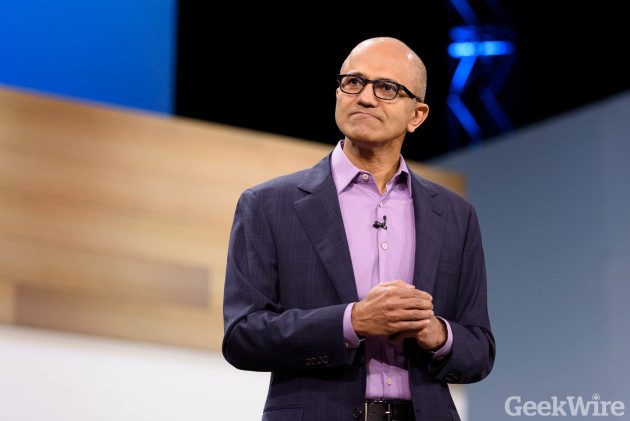
Nadella positioned Microsoft as a leader in cloud infrastructure, competing head-to-head with Amazon and Google.
He expanded Microsoft’s footprint in Africa, Asia, and Europe, investing in data centers and digital skills programs.
Under his leadership, Microsoft became a central player in AI ethics and governance, advocating for responsible innovation.
Challenges and Criticisms
Microsoft faces ongoing antitrust scrutiny, particularly around its cloud and AI businesses.
Critics argue that despite cultural improvements, the company remains aggressive in market dominance.
Nadella has also had to navigate geopolitical tensions, balancing Microsoft’s global operations amid U.S.-China competition.
Personal Life
Nadella is married to Anupama Nadella, with whom he has three children.
He is an avid cricket fan, often drawing leadership lessons from the sport.
Awarded the Padma Bhushan (2022), one of India’s highest civilian honors Wikipedia.
Legacy and Future Outlook
Satya Nadella’s legacy is already secure: he revived Microsoft, restored its relevance, and positioned it at the forefront of the AI revolution. As the company continues to expand into quantum computing, cybersecurity, and next-generation productivity tools, Nadella’s vision will shape not only Microsoft’s future but also the trajectory of global technology.