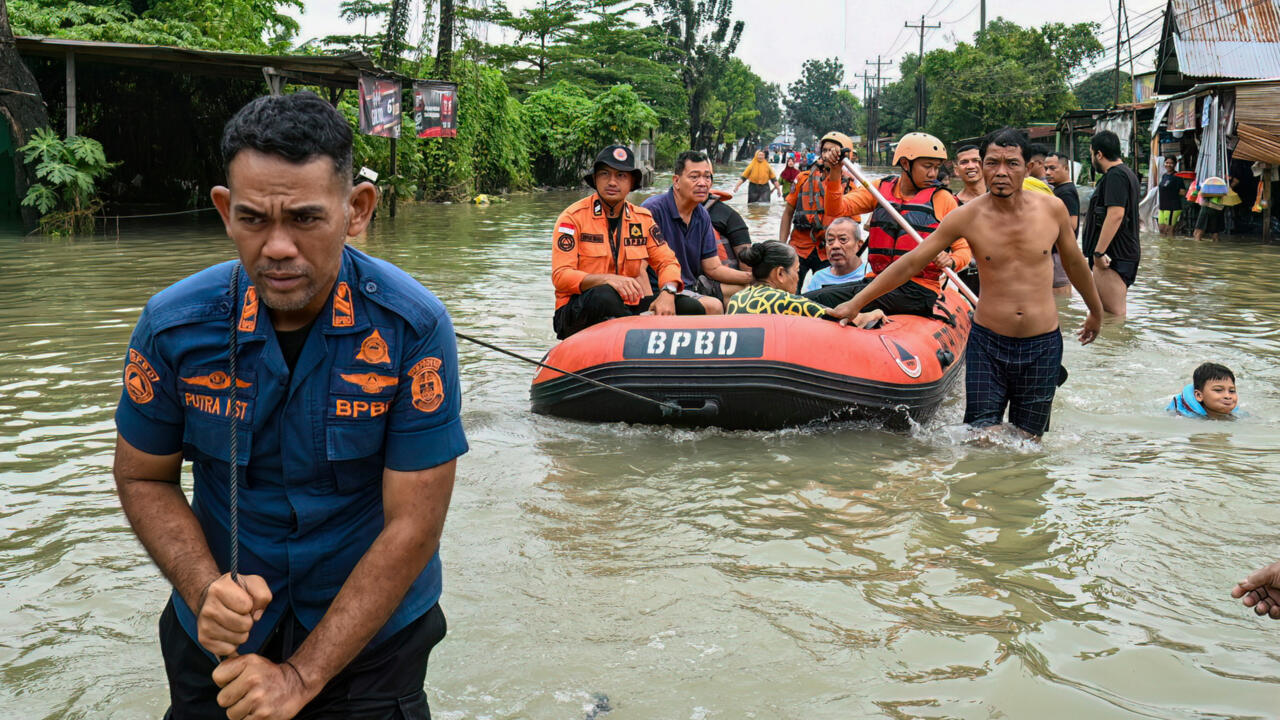
Massive flooding across southern Asia has left at least 600 people dead, with millions more displaced, as torrential monsoon rains continue to batter communities already weakened by years of climate-driven weather extremes. Officials across multiple countries have described the situation as one of the worst regional disasters in over a decade.
Rivers have overflowed their banks, submerging entire towns, washing away bridges, and destroying thousands of homes. Emergency crews are struggling to reach trapped residents as landslides and collapsed roads hinder rescue operations. In rural areas, families have been forced onto rooftops and makeshift rafts while waiting for relief boats and helicopters.
Humanitarian agencies report that more than 5 million people have been affected, with urgent needs ranging from drinking water and medical supplies to temporary shelters. Outbreaks of waterborne diseases are also being reported in several communities, raising fears of a secondary health crisis.
Climate experts say the intensity of this year’s monsoon is consistent with predictions that global warming will continue to fuel stronger, more destructive rainfall patterns in the region. Governments have declared states of emergency and deployed military units to support evacuation and relief efforts.
International aid organizations are coordinating with local authorities, but damaged infrastructure and ongoing rain continue to complicate operations. Recovery is expected to take months, if not longer, with thousands of families facing the loss of homes, livelihoods, and loved ones.
Sources
Regional disaster management agencies
Emergency response officials
International humanitarian organizations
Weather and climate monitoring authorities