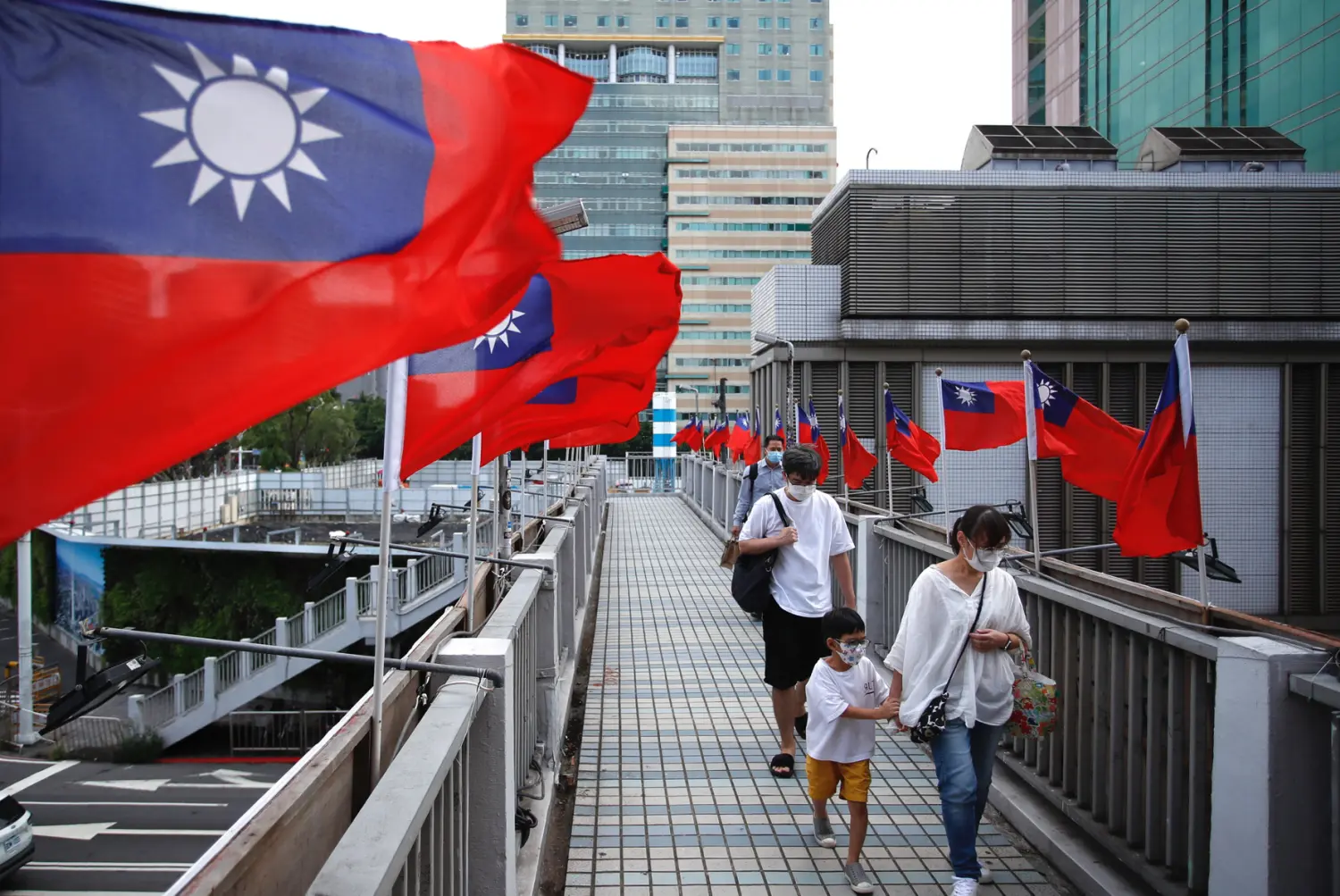
Taiwan will, for the first time, distribute millions of civil defense handbooks to every household across the island this week, as concerns over China’s growing military pressure intensify. U.S. News & World Report The Advocate - Hepburn EconoTimes
What the Handbook Contains
Emergency instructions: Guidance on how to respond during crises such as natural disasters, cyberattacks, sabotage of undersea cables, or military conflict.
Enemy encounters: For the first time, citizens are told what to do if they encounter enemy soldiers.
False surrender claims: The handbook stresses that any announcements declaring Taiwan’s surrender should be treated as false.
Preparedness tips: Directions on locating bomb shelters and preparing emergency kits for survival.
Why Taiwan Is Doing This
China’s pressure: Beijing continues to escalate military and political activities aimed at asserting sovereignty over Taiwan. Civil defense push: The handbook, first unveiled in September, is part of a broader effort to strengthen public resilience against both natural and man-made threats. Government stance: Lin Fei-fan, Deputy Secretary-General of Taiwan’s National Security Council, said: “This booklet shows our determination to defend ourselves. We need people across Taiwan to be prepared.” U.S. News & World Report
Taiwan has updated civil defense guidelines before, but this is the first time every household will receive a copy. The move reflects growing fears of a possible Chinese attack, especially amid increased military drills and incursions near Taiwan’s airspace. Similar civil defense initiatives have been seen in countries like Sweden and Finland, which distribute preparedness handbooks to citizens in response to regional security threats.
This unprecedented distribution of security handbooks underscores Taiwan’s shift toward whole-of-society defense, ensuring that ordinary citizens are equipped with knowledge to act in emergencies — whether facing natural disasters or geopolitical conflict.
Sources: U.S. News & World Report The Advocate - Hepburn EconoTimes The Straits Times