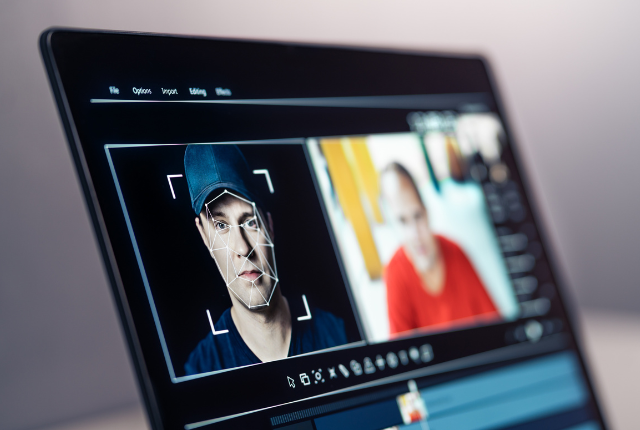
In the age of synthetic media, truth is no longer something we see — it’s something we must verify. AI-generated videos have evolved from uncanny novelties to eerily convincing simulations. They smile, speak, and emote with precision. They mimic real people, real settings, real stories. And yet, they often miss one thing: the blink.
It’s subtle. A face that doesn’t blink enough. Eyes that stare too long. A gaze that doesn’t quite follow the motion of a hand or shift with the rhythm of speech. These are the giveaways — the biological ticks that AI still struggles to replicate. And in a world where misinformation can be manufactured in minutes, they may be our last line of defense.
The Rise of Synthetic Realism
Tools like OpenAI’s Sora and Google’s Veo are pushing the boundaries of generative video. They can create lifelike scenes from text prompts, simulate human gestures, and even generate emotional nuance. The results are stunning — and dangerous.
Deepfake technology has already infiltrated politics, entertainment, and finance. Fake endorsements, fabricated speeches, and synthetic scandals are no longer hypothetical. They’re happening. And as the tech improves, the margin for error shrinks.
Why the Blink Matters
Human behavior is messy. We blink irregularly. We fidget. We mispronounce words and interrupt ourselves. AI, by contrast, is too perfect. It smooths out the chaos. It renders emotion as code. And in doing so, it often reveals itself.
Eye movement is particularly telling. In real life, our eyes dart, scan, and respond to stimuli. AI-generated eyes tend to lock in place or move mechanically. Blinking — or the lack thereof — becomes a red flag. It’s not just a technical flaw. It’s a philosophical one. It reminds us that authenticity isn’t about polish. It’s about imperfection.
The Stakes Are Real
As synthetic media becomes indistinguishable from reality, the consequences multiply. A fake video of a world leader declaring war could spark panic. A fabricated confession could ruin lives. A false endorsement could sway elections. The blink, then, is more than a glitch. It’s a clue. A warning. A call to vigilance.
We need more than awareness. We need infrastructure. Watermarking standards. Detection algorithms. Public education. Media literacy must become a core skill — as essential as reading or arithmetic. Because in the post-truth era, seeing is no longer believing.
Final Thought
The future of video is synthetic. That’s inevitable. But the future of truth depends on our ability to recognize what’s real — and what’s not. So next time you watch a video that feels just a little too perfect, look closely. If it doesn’t blink, maybe you should.