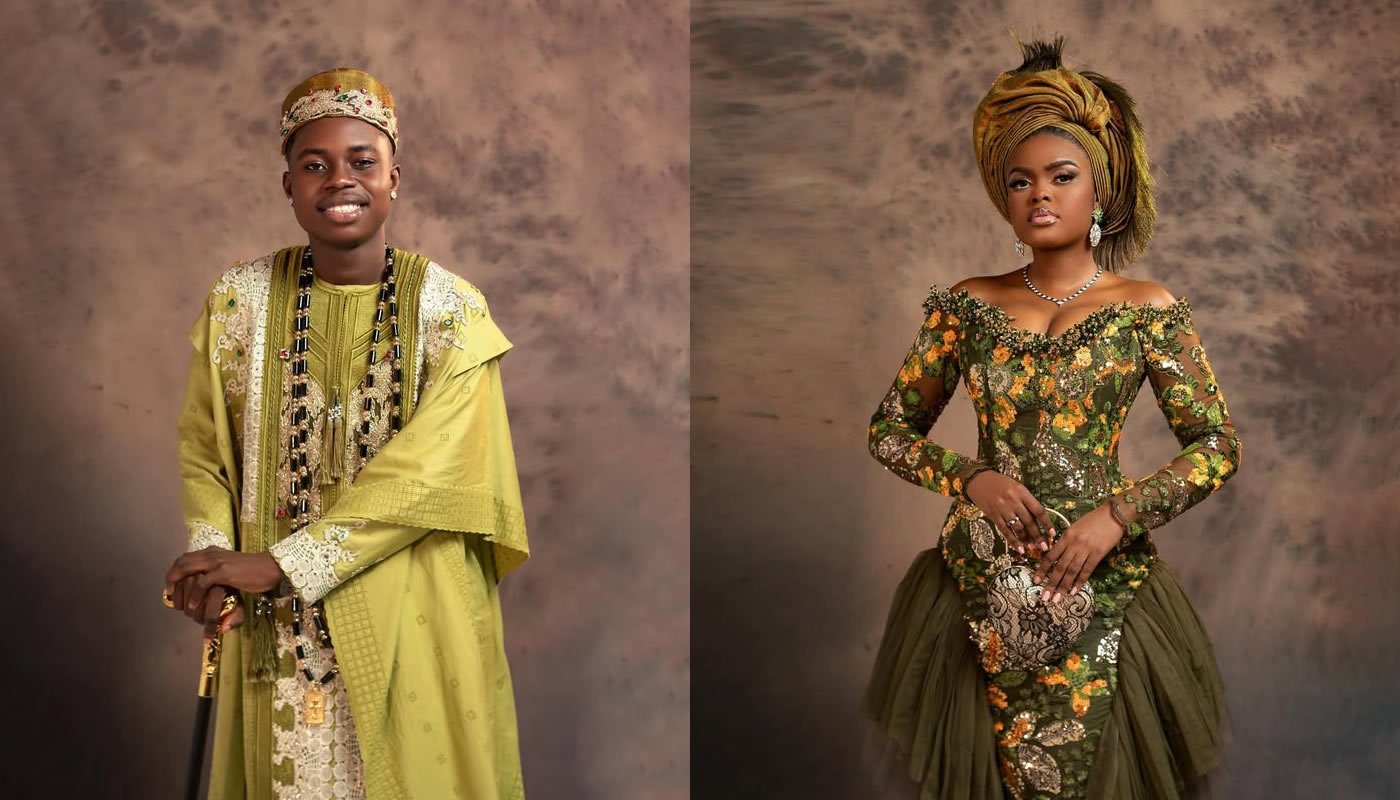
A heated dispute between Nigerian TikTok personalities Jarvis and Habeeb “Peller” Hamzat has taken a legal turn after Peller accused Jarvis of money-laundering through her livestream activities — an allegation Jarvis has described as false and defamatory.
The controversy erupted earlier this week after a series of emotional livestreams in which Jarvis discussed personal aspects of her relationship with Peller. During one of his own streams, Peller responded by alleging that Jarvis was involved in “suspicious financial dealings” tied to TikTok’s virtual gifting system.
(Source: TheCable Lifestyle)
Background of the Feud
Jarvis, known for her comedic and lifestyle videos on TikTok, reportedly opened up about personal struggles in her relationship with Peller, claiming he was controlling and dismissive of her family background. In response, Peller accused her of changing passwords, hiding financial transactions, and engaging in what he termed “money-laundering” through her livestream earnings.
(Source: NigerianEye)
Peller alleged that Jarvis’s “top gifters” — individuals who send virtual gifts convertible to cash — demanded a 50/50 split of their contributions, a practice he claimed could constitute illicit financial activity. He further insinuated that Jarvis had confessed to him about such arrangements privately.
(Source: TheCable Lifestyle)
Jarvis’s Response and Legal Threat
In a follow-up broadcast, Jarvis rejected the accusation and stated that she had instructed her legal team to consider defamation proceedings against Peller. She described his comments as “an attempt to destroy my image and my brand,” adding that she had never been involved in any illegal financial activity.
No formal legal filing has yet been confirmed, but sources close to the influencer say she is “consulting lawyers” to determine next steps. The dispute has since dominated Nigerian TikTok and X (formerly Twitter) conversations, sparking debates about financial transparency among influencers.
Broader Context
Experts say the episode underscores growing scrutiny of livestream monetisation and gift-based creator payments, particularly in markets like Nigeria where digital influencer income is largely unregulated. Some observers have called for clearer financial disclosure standards for content creators receiving large sums via online gifts.
(Source: TheCable Lifestyle)