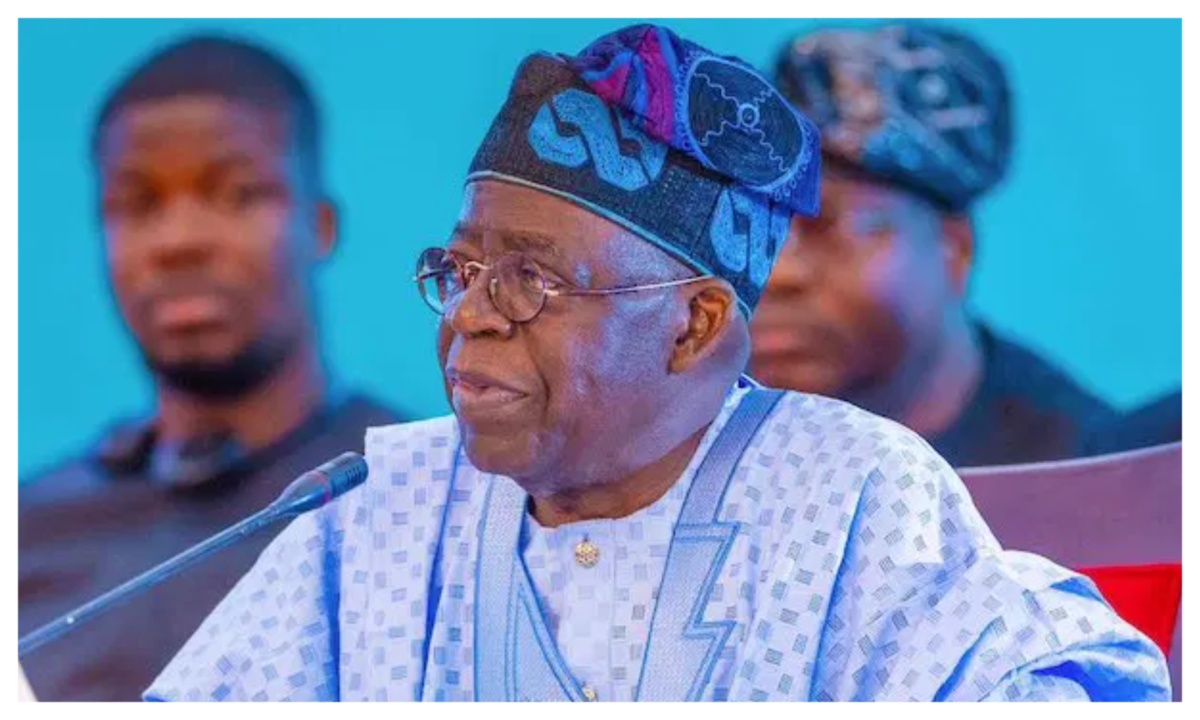
The Nigerian Presidency has confirmed that President Bola Ahmed Tinubu will hold talks with U.S. President Donald Trump following recent allegations from Washington that Christians in Nigeria are facing what the U.S. termed a “genocide.”
According to a statement released by Daniel Bwala, Tinubu’s Special Adviser on Policy Communication, the meeting will focus on clarifying Nigeria’s position on religious freedom and ongoing efforts to tackle terrorism and communal violence across the country.
(Source: Vanguard)
Background
President Trump last week designated Nigeria as a “Country of Particular Concern” under the United States International Religious Freedom Act, citing “large-scale killings” of Christians, particularly in parts of the Middle Belt and northern regions. The U.S. administration further warned of potential diplomatic or financial repercussions if Nigeria failed to address the reported violations.
(Source: Washington Post)
In response, the Nigerian government strongly rejected the genocide characterisation, insisting that the country’s security challenges affect citizens of all faiths. The Presidency reiterated that both Christians and Muslims have been victims of terrorism, banditry, and communal clashes.
(Source: Premium Times)
The Planned Meeting
Bwala said both leaders have “shared interest in the fight against insurgency and all forms of terrorism against humanity” and that their conversation will aim to dispel misinformation about religiously targeted violence in Nigeria.
“The differences as to whether terrorists in Nigeria target only Christians or in fact all faiths and no faiths will be discussed and resolved by the two leaders when they meet in the coming days,” Bwala stated.
(Source: Vanguard)
Although an exact date and venue have not been disclosed, diplomatic sources suggest the meeting could take place either in Abuja or Washington, D.C., depending on scheduling and security arrangements.
(Source: Independent NG)
Broader Implications
Analysts believe the high-level dialogue could reshape U.S.–Nigeria relations, particularly around military cooperation and foreign aid. Washington has hinted that it could restrict assistance or impose sanctions if religious-freedom violations persist.
For Nigeria, the talks present an opportunity to reaffirm its commitment to pluralism while countering narratives that frame ongoing insecurity as religiously motivated rather than politically and economically driven.
(Source: Reuters)