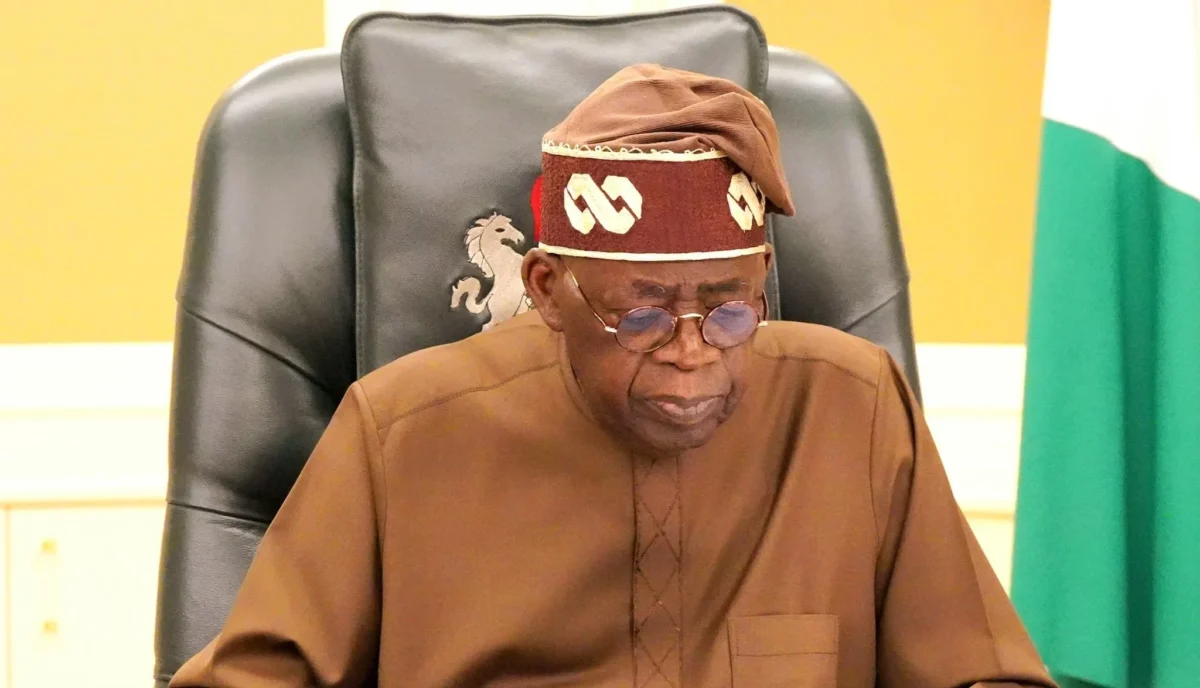
President Bola Tinubu has formally urged the National Assembly to expedite legislation that will legalise state police, describing the measure as a necessary step to strengthen Nigeria’s overstretched security architecture.
In a statement released on Wednesday, Tinubu declared a national security emergency, citing the surge in attacks by gunmen across several states. He announced sweeping measures, including the recruitment of 20,000 additional police officers and authorisation for the armed forces to expand their personnel base. Tinubu explained that the police would convert National Youth Service Corps (NYSC) camps into training depots to fast-track the recruitment exercise Premium Times P.M. News.
The president stressed that while federal security agencies remain vital, they cannot effectively secure every community across Nigeria without structured support from state-level policing. He therefore urged lawmakers to amend the constitution and relevant laws to provide a legal framework for state police, ensuring local ownership while maintaining political neutrality The Guardian Nigeria News TVC News.
Tinubu’s call comes amid growing pressure from governors, civil society groups, and regional organisations such as Afenifere, Ohanaeze Ndigbo, and the Middle Belt Forum, all of whom have voiced support for state police as a solution to banditry, kidnapping, and terrorism. However, some northern leaders remain cautious, warning that state-controlled police could be politicised or abused The Guardian Nigeria News.
The president also pledged to support states that have already set up local security networks, promising closer collaboration between federal and state authorities. He emphasised that the fight against insecurity must be collective, with communities empowered to protect themselves under a regulated framework.
Implications
For Citizens: State police could mean faster response times and more community-based security.
For Governance: The move signals Tinubu’s willingness to decentralise Nigeria’s security structure, a long-debated reform.
For Policy: If passed, the legislation would mark one of the most significant constitutional changes in Nigeria’s policing system since independence.
Sources: