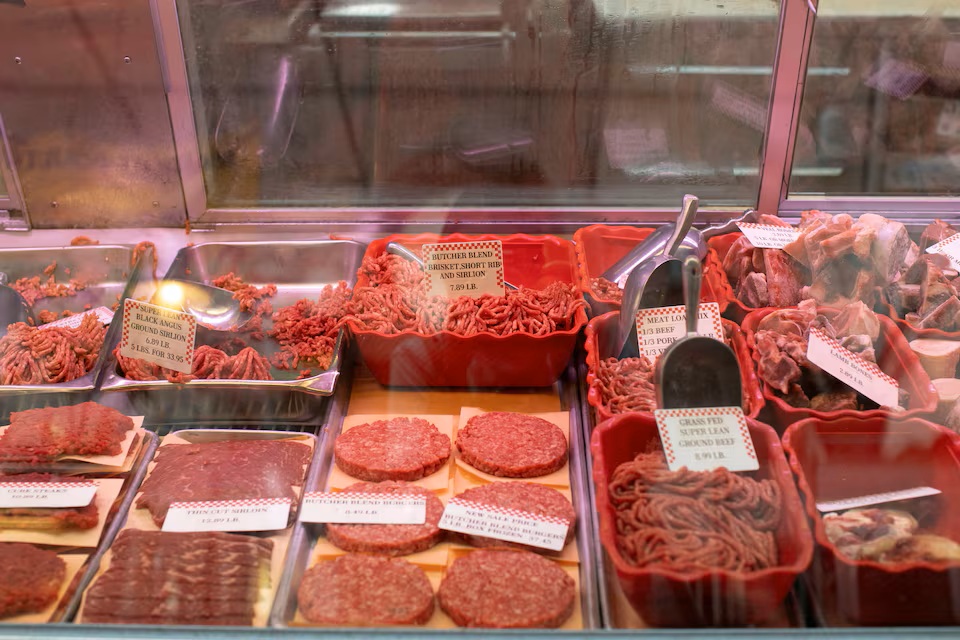
U.S. President Donald Trump has rolled back tariffs on more than 200 food products, including beef, coffee, bananas, and orange juice, in response to mounting concerns over high grocery prices.
Details of the Tariff Cuts
On November 14, 2025, Trump announced the rollback of tariffs on more than 200 food products.
The exemptions include coffee, tea, bananas, mangoes, avocados, coconuts, pineapples, cocoa, nutmeg, beef, oranges, and tomatoes Asharq Al-Awsat CBS News South China Morning Post CBC PBS.
The order took effect retroactively at midnight on Thursday, meaning importers will receive refunds under U.S. Customs and Border Protection rules South China Morning Post.
Trump described the move as part of efforts to ease consumer costs, admitting that tariffs “may in some cases” raise prices, though he insisted the U.S. has “virtually no inflation” Asharq Al-Awsat.
Political Context
The decision follows Democratic victories in Virginia, New Jersey, and New York City, where affordability and high food prices were key campaign issues Asharq Al-Awsat South China Morning Post PBS.
A day earlier, Trump announced trade frameworks with Argentina, Guatemala, El Salvador, and Ecuador, which included relief for food imports not widely produced in the U.S. CBS News PBS.
Analysts view the rollback as a policy U-turn, given Trump’s earlier insistence that tariffs were not fueling inflation South China Morning Post CBC.
Broader Implications
The exemptions are expected to lower grocery costs for American consumers, particularly for tropical products heavily reliant on imports.
Economists caution that while the move may ease short-term price pressures, it highlights the fragility of Trump’s tariff strategy and the political risks of rising living costs.
The decision also underscores the intersection of trade policy and domestic politics, as inflation remains a top concern for voters heading into the 2026 midterms.
Sources: