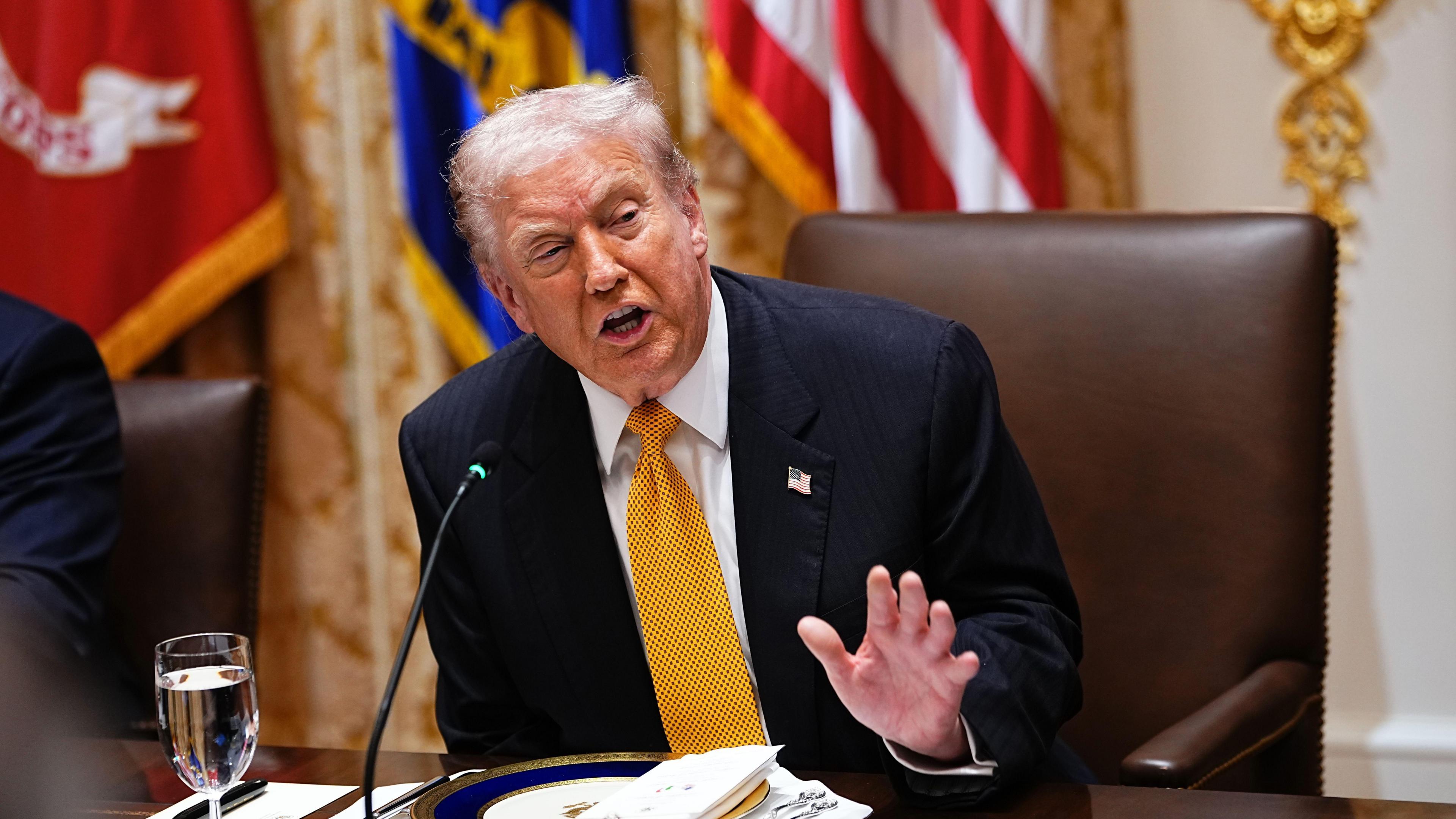
In a sweeping act of clemency, President Donald Trump has issued “full, complete, and unconditional” pardons to Rudy Giuliani, Mark Meadows, and a host of other allies implicated in efforts to challenge the outcome of the 2020 U.S. presidential election. The announcement was made via a proclamation posted by Justice Department Pardon Attorney Ed Martin on X (formerly Twitter) on Sunday, November 10, 2025 MyJoyOnline Yahoo News Canada NBC News.
The list of 77 individuals includes:
Rudy Giuliani, Trump’s former personal attorney, who led legal challenges to the 2020 results.
Mark Meadows, Trump’s former White House Chief of Staff.
Sidney Powell, John Eastman, and Kenneth Chesebro, all of whom were involved in legal and strategic efforts to contest the election.
Several “false electors” accused of attempting to submit alternate slates to block the certification of President Joe Biden’s victory MyJoyOnline Yahoo News Canada CBS News.
Trump’s proclamation described the prosecutions as a “grave national injustice” and framed the pardons as part of a broader effort toward “national reconciliation.” However, legal analysts note that the pardons are largely symbolic, as most of the individuals were charged at the state level, beyond the reach of federal clemency powers MyJoyOnline NBC News.
The move has sparked intense political and legal debate. Critics argue it undermines the rule of law and accountability for actions that threatened democratic institutions. Supporters claim it corrects what they see as politically motivated prosecutions.
The White House Press Secretary, Karoline Leavitt, defended the decision, stating, “Getting prosecuted for challenging an election is un-American.” Trump himself has not yet commented publicly on the pardons.
This development adds a new chapter to the ongoing fallout from the 2020 election and raises fresh questions about the limits of presidential pardon authority, especially in cases involving alleged threats to democratic processes.