Introduction
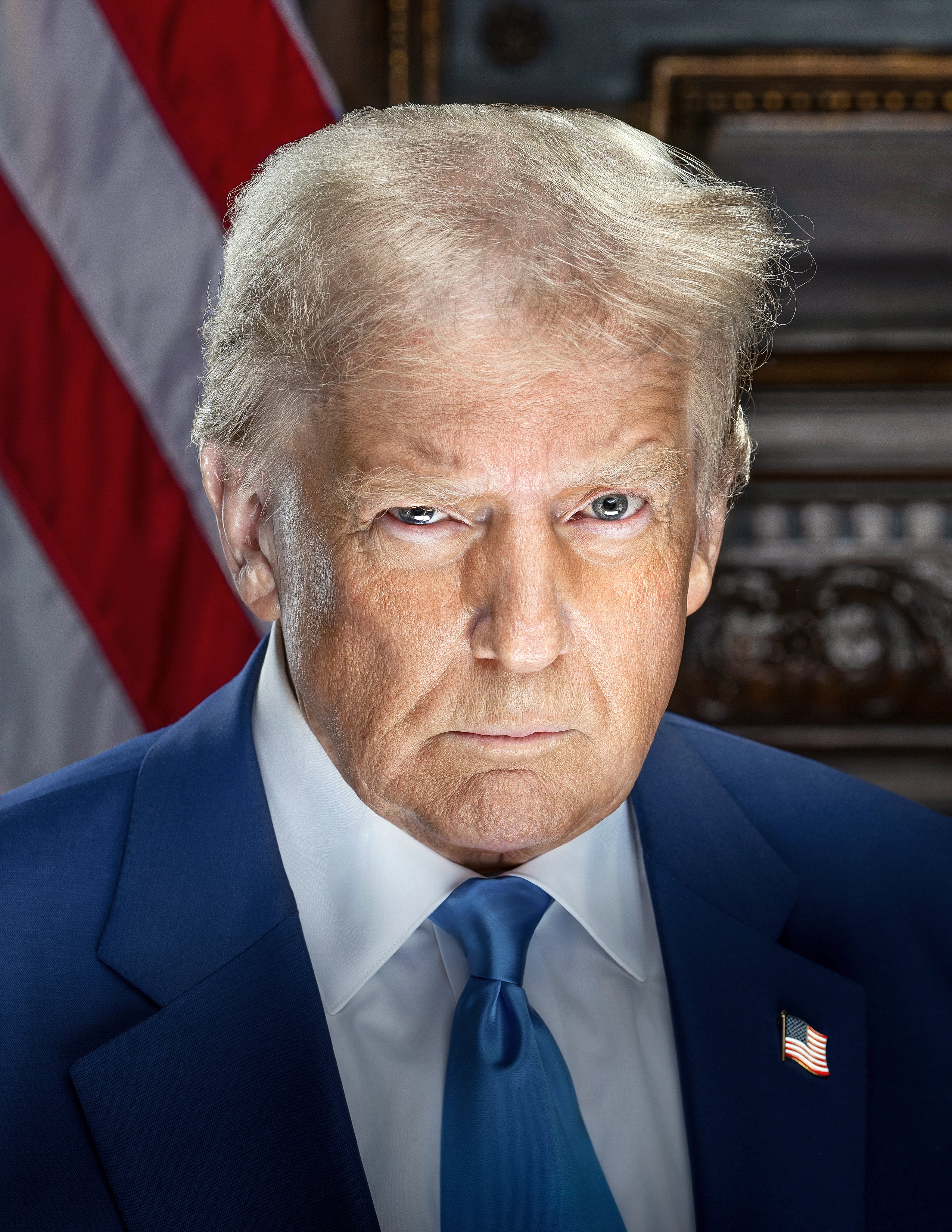
President Donald Trump’s recent threat to deploy American troops to Nigeria in response to rising insurgency and banditry has sparked heated debate. While the intention may be to support Nigeria’s fight against terrorism, history shows that foreign military interventions often deepen crises rather than resolve them. Nigeria must tread carefully, because the arrival of U.S. troops could destabilize fragile institutions and inflame tensions.
The Dangers of Foreign Military Intervention
American military interventions in places like Iraq, Afghanistan, and Libya demonstrate a troubling pattern: short-term tactical gains followed by long-term instability. Nigeria’s insurgency is not simply a military problem—it is rooted in poverty, unemployment, corruption, and weak governance. Deploying foreign troops risks militarising the crisis without addressing its underlying causes.
Moreover, U.S. forces operate under doctrines designed for global counterterrorism, not Nigeria’s complex mix of ethnic, religious, and local grievances. Their presence could alienate communities, fuel anti-Western sentiment, and even serve as propaganda for extremist groups like Boko Haram and ISWAP.
Sovereignty and Trust Deficit
Trump’s threat raises questions about Nigeria’s sovereignty. Allowing foreign troops to operate on Nigerian soil could erode public trust in the government, making citizens feel that their leaders are outsourcing national security. This perception could embolden insurgents, who thrive on narratives of state weakness and foreign domination.
Nigeria’s security institutions already struggle with legitimacy. Introducing American troops risks overshadowing local forces, undermining morale, and creating dependency rather than building capacity.
Guns vs. Governance
Trump’s approach reflects a belief that guns and military might can solve insurgency. But Nigeria’s crisis demands more than firepower. Intelligence-led policing, community engagement, and governance reforms are far more effective in the long run. Flooding Nigeria with foreign troops and weapons could worsen the proliferation of arms, a problem already fueling banditry across the country.
Conclusion
Trump’s threat to send troops to Nigeria should be seen not as a solution but as a warning. Nigeria must resist the temptation of foreign military intervention and instead invest in strengthening its own institutions, addressing socio-economic grievances, and building trust with its citizens. Guns and foreign boots on the ground will not save Nigeria from insurgency; only homegrown reforms rooted in accountability and community resilience can.