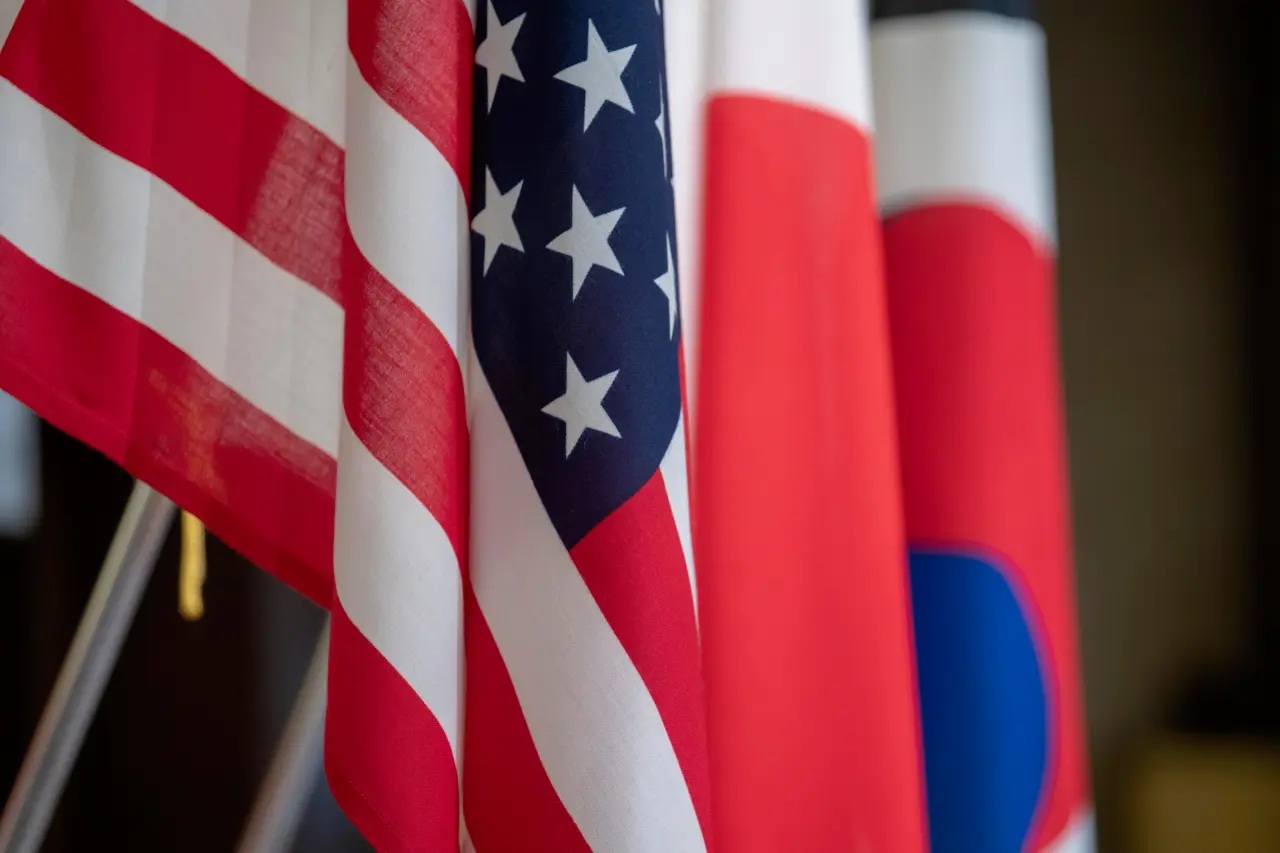
The Japan and the Republic of Korea (South Korea) have each entered major bilateral agreements with the United States designed to deepen collaboration in artificial intelligence (AI), semiconductors/chips, biotechnology, space, and next-generation communications.
What the deals cover
The U.S.-Japan agreement formalises cooperation in areas such as AI, quantum computing, biotechnology, advanced packaging of semiconductors, and 6G wireless. (The White House)
The U.S.-South Korea pact (labelled a “Technology Prosperity Deal” in media) commits both sides to joint R&D, regulatory coordination, and securing supply-chains in AI, biotech/pharmaceuticals and space/next-gen wireless technologies. (Anadolu Ajansı)
A joint trilateral statement (U.S.-Japan-ROK) also emphasises building a trusted AI ecosystem, cooperation on AI-chip production, resilient drug/active pharmaceutical ingredient supply chains, and workforce training in emerging tech. (The White House)
Why it matters
These pacts reflect a strategic shift toward aligning allied capabilities in critical technologies at a time of growing competition with China in fields such as AI, semiconductors and biotech. By forging deeper ties with Japan and South Korea, the U.S. is strengthening both innovation capacity and resilience in vital supply chains.
Moreover, the inclusion of biotechnology and pharmaceuticals signals that these deals go beyond traditional “chips and gadgets” and into the health and life-science arena — a domain increasingly seen as vital for national and economic security.
Key implications
For the tech sector: the agreements may accelerate joint development of AI hardware (chips, packaging), advanced communications (6G) and quantum/space technologies across the three countries.
For the biotech/pharma industry: they raise the prospect of coordinated supply-chain safeguards, shared R&D programmes and cross-border collaboration on innovation in life sciences.
For geopolitics: the deals reinforce the U.S. strategy of building tech-alliances, reducing dependence on adversarial supply-chains, and aligning regulatory/standard-setting frameworks with like-minded partners.
For business and industry: firms in Japan, South Korea and the U.S. may see expanded opportunities around joint ventures, research partnerships, workforce training and export-oriented technology stacks.