U.S. Action on Religious Persecution in Nigeria
The United States has renewed its focus on religious freedom violations in Nigeria, designating the country as a “Country of Particular Concern.” This move signals Washington’s intent to collaborate with Nigeria’s federal government to prosecute individuals responsible for religious violence, particularly targeting Christian communities Punch Newspapers.
Vicky Hartzler, Chair of the U.S. Commission on International Religious Freedom, praised President Donald Trump’s decision to blacklist Nigeria, citing ongoing persecution of Christians. Hartzler emphasized the need for decisive action to protect religious minorities and rescue hostages held by extremist groups Punch Newspapers.
Trump’s administration has also hinted at potential consequences, including suspension of aid or even military intervention, should Nigeria fail to curb religious violence thenetwork.ng.
China’s Response: Support for Sovereignty and Tinubu
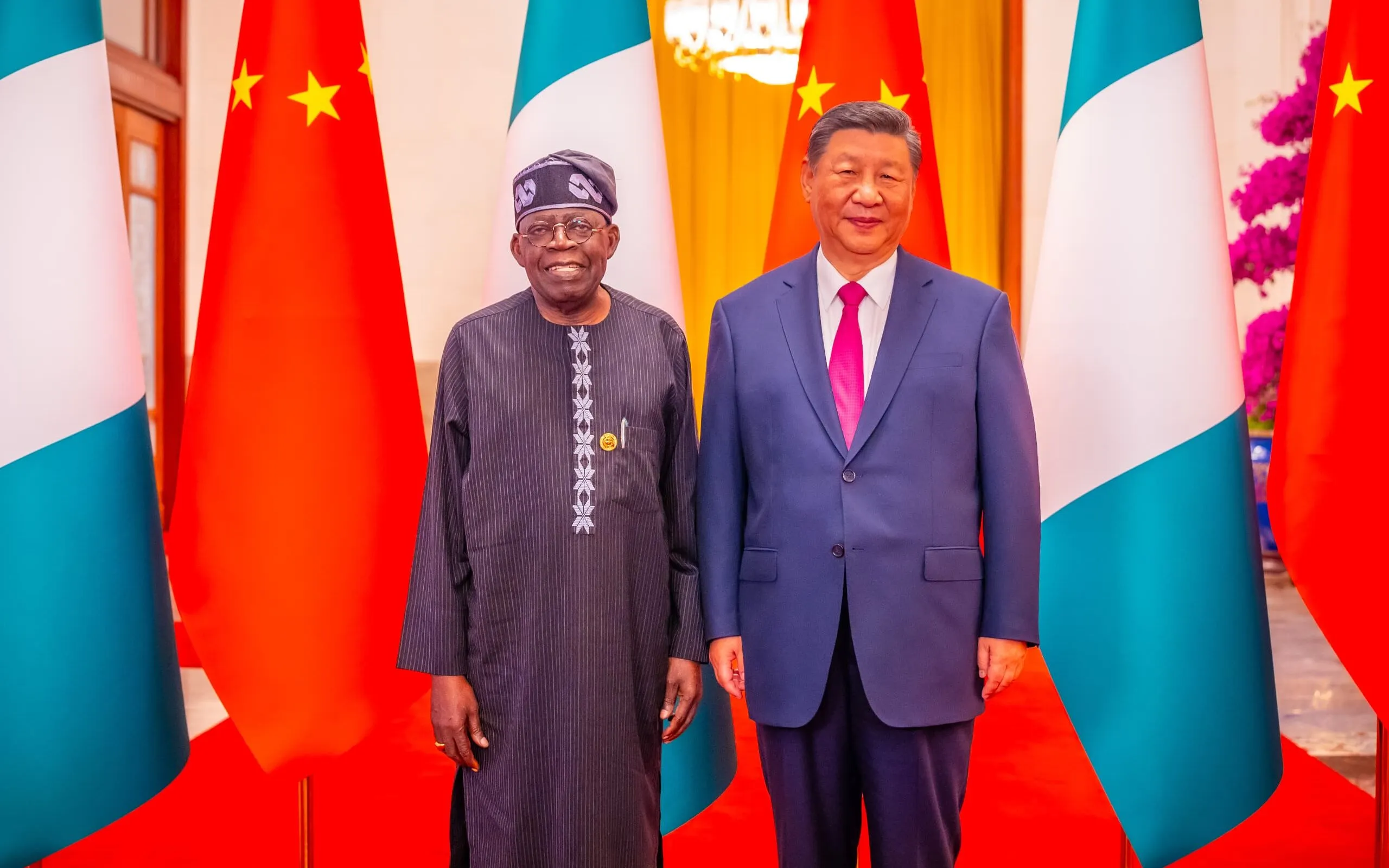
In stark contrast, China has publicly backed President Bola Tinubu and criticized the U.S. stance. During a press briefing, Chinese Foreign Ministry spokesperson Mao Ning warned against using religion or human rights as a pretext for foreign interference thenetwork.ng afripost.ng.
China reaffirmed its strategic partnership with Nigeria, asserting that the country has the sovereign right to choose its own development path. Mao Ning emphasized that external threats or sanctions undermine international norms and stability afripost.ng.
Geopolitical Implications
This diplomatic divergence highlights the growing geopolitical tug-of-war over influence in Africa. While the U.S. frames its actions as a defense of human rights, China positions itself as a defender of national sovereignty and non-interference.
Nigeria, under Tinubu’s leadership, now finds itself navigating complex international pressures—balancing domestic challenges with competing global expectations.