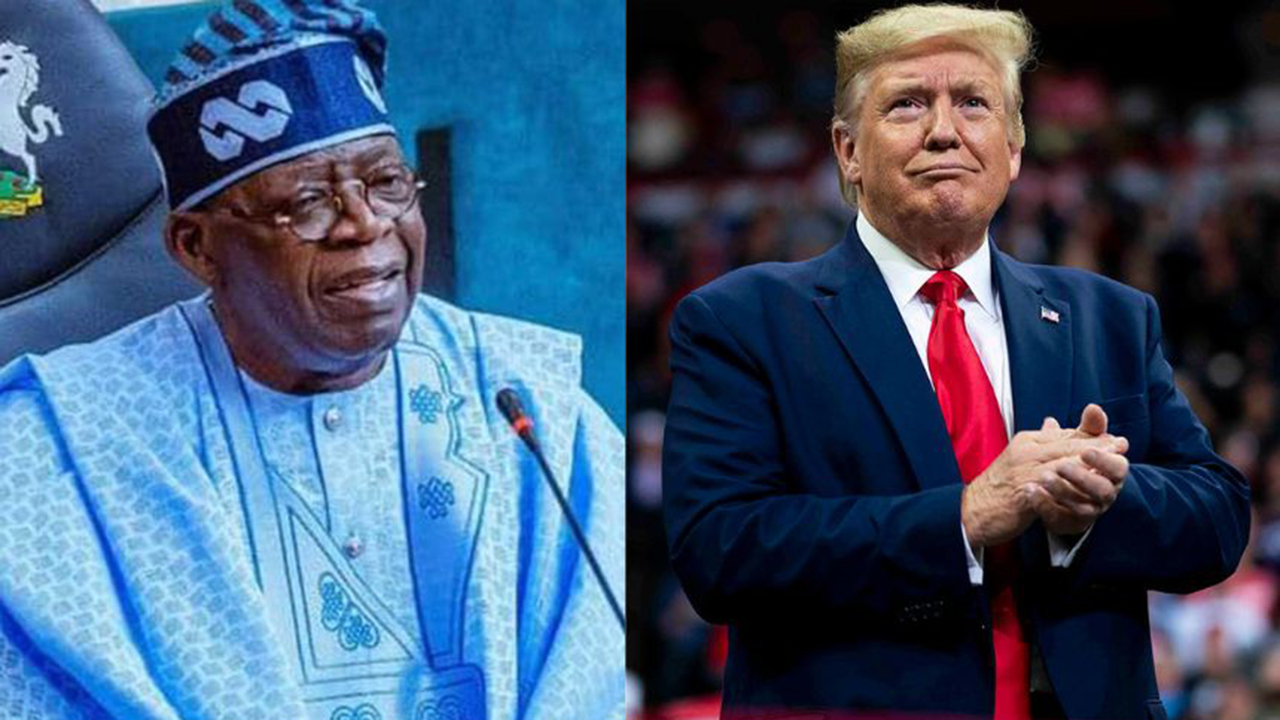
Tensions between global powers over Nigeria’s human rights record intensified this week as the United States and China took opposing stances on religious freedom and governance in the country.
The U.S. Commission on International Religious Freedom (USCIRF), chaired by Vicky Hartzler, welcomed President Donald Trump’s decision to designate Nigeria a CPC due to alleged persecution of Christians. Hartzler stated that the U.S. would work with Nigerian authorities to “arrest perpetrators of religious violence, protect Christians, and rescue hostages”.
This designation could pave the way for sanctions or legal action against individuals or groups accused of religious persecution. Trump’s announcement, made via Truth Social, has reignited scrutiny of Nigeria’s handling of religious tensions and minority rights.
In contrast, China has firmly rejected the U.S. stance. At a press briefing in Beijing, Foreign Ministry spokesperson Mao Ning declared China’s opposition to “external interference under the pretext of religion and human rights.” She emphasized China’s strategic partnership with Nigeria and expressed support for President Tinubu’s leadership.
China’s position was echoed by the European Union, which reaffirmed its commitment to Nigeria’s sovereignty and pledged continued cooperation on peacebuilding and interfaith dialogue.
The diplomatic divide highlights Nigeria’s complex role in global geopolitics, as Western nations push for human rights accountability while Eastern allies prioritize non-interference and strategic alignment.
Sources