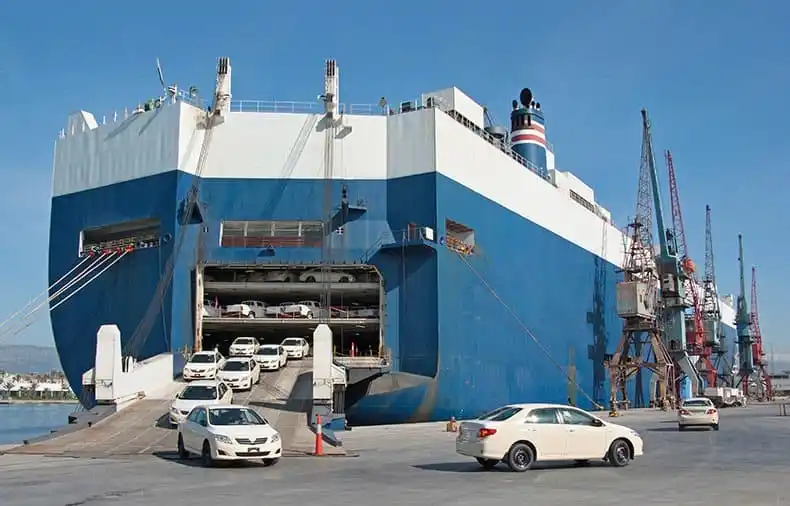
Nigeria’s vehicle import market has recorded a significant decline, with imports falling by 9.69% in the first half of 2025 due to weak consumer spending, foreign exchange challenges, and high import tariffs. According to data from the National Bureau of Statistics (NBS), the value of imported passenger motor vehicles dropped from ₦530.67 billion in H1 2024 to ₦479.26 billion in H1 2025.
This marks the second consecutive year of decline, following a 14.29% drop in total vehicle imports from ₦1.47 trillion in 2023 to ₦1.26 trillion in 2024. Industry analysts attribute the slump to the rising cost of living, inflationary pressures, and the depreciation of the naira, which has made imported goods more expensive for average Nigerians.
The downturn has prompted renewed calls for the Federal Government to revive and implement the National Automotive Industry Development Plan (NAIDP), aimed at boosting local vehicle production and reducing reliance on imports. Stakeholders argue that policy consistency, infrastructure investment, and incentives for local manufacturers are critical to reversing the trend.
Dealers and consumers alike are shifting toward used vehicles and locally assembled alternatives, as affordability becomes a growing concern. Experts warn that without targeted interventions, the auto industry may face further contraction in the coming quarters.
Sources: