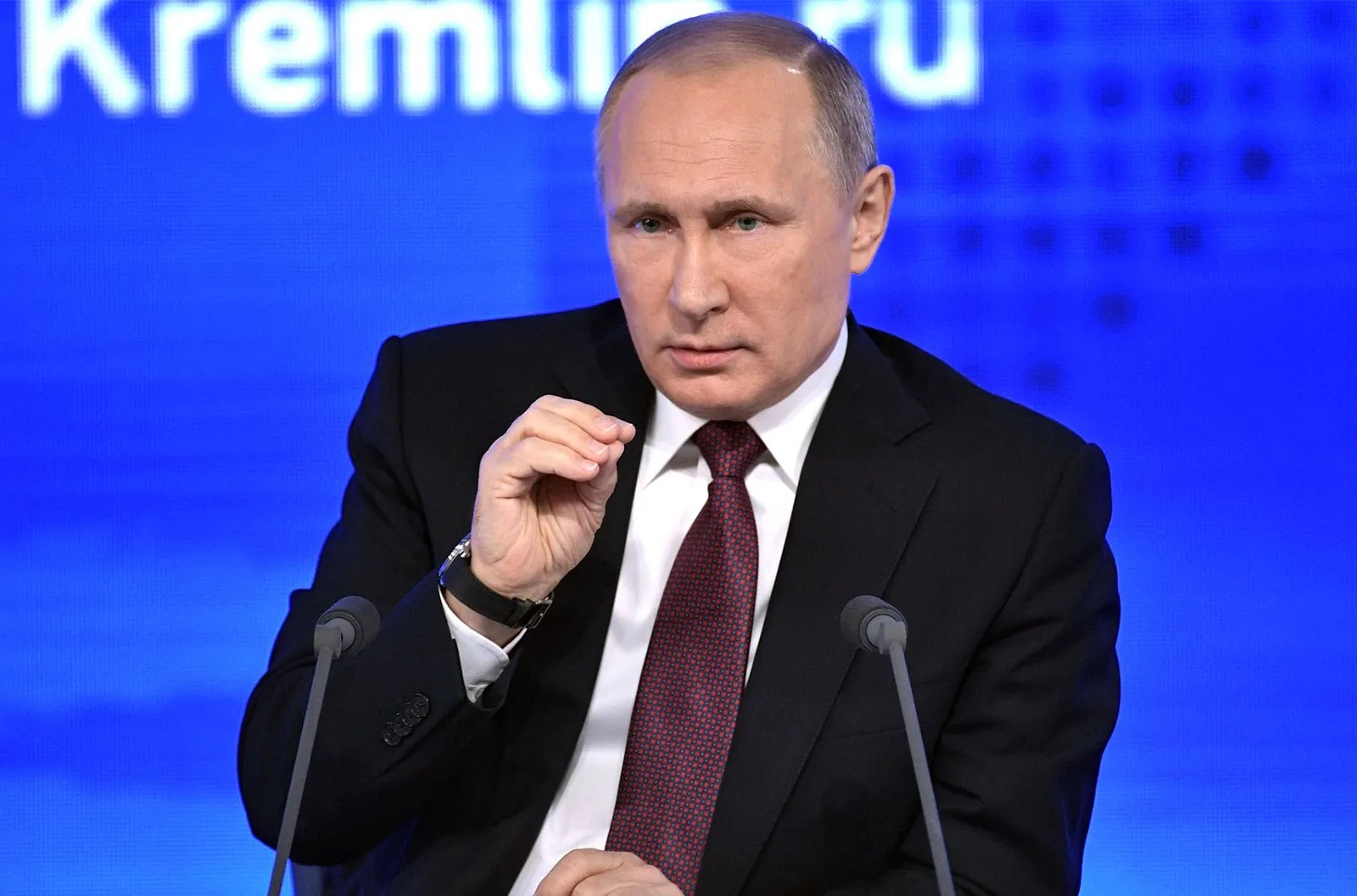
The Russian leader Vladimir Putin reacted sharply on Thursday to a sweeping new round of U.S. sanctions targeting his country’s energy sector, branding the measures as an “unfriendly act” and declaring that Russia would not succumb to external pressure. (AP News)
Washington’s latest sanctions, announced a day earlier by U.S. President Donald Trump, focus on Russia’s two largest oil producers, Rosneft and Lukoil, along with their subsidiaries. The aim: to hit Moscow’s war-financing via its energy exports, and to pressure Russia into halting its offensive in Ukraine. (The Guardian)
Putin acknowledged the sanctions are “serious … and will have certain consequences,” but he insisted they will not “significantly affect our economic wellbeing.” (Reuters) He added: “This is, of course, an attempt to put pressure on Russia. But no self-respecting country and no self-respecting people ever decide anything under pressure.” (Reuters)
In his remarks, Putin also warned that any long-range weapons supplied to Ukraine that strike deep into Russian territory would trigger a “very serious if not overwhelming” response. (Reuters)
Context & deeper dive:
The sanctions represent a significant shift in U.S. policy: targeting the heart of Russia’s oil-exporting economy, not merely peripheral individuals or banks. Reuters notes that Rosneft and Lukoil together account for a large share of Russia’s crude output. (Reuters)
The timing is linked to Moscow’s continuing war in Ukraine and Western frustration at stalled diplomacy. The U.S. earlier paused a planned Trump-Putin summit in Budapest, signalling diminishing patience. (AP News)
Analysts believe that while Russia’s economy may weather the blow in the short term thanks to its oil dominance and alternative trading channels, the sanctions raise risks — especially if major buyers like India and China reduce imports. (The Guardian)
Putin’s labeling of the sanctions as an “unfriendly act” is notable: it underscores Moscow’s framing of the move not merely as hostile policy but as an intentional affront to bilateral relations — a rhetorical escalation. By publicly asserting Russia will not bow, he signals both defiance and the desire to maintain domestic legitimacy.
From the broader geopolitical lens, the sanctions and Russian response mark an intensification of economic warfare, with potential ripple effects on global oil prices, supply chains, and third-country relations (e.g., importers of Russian oil facing secondary risks). (Al Jazeera)