Introduction
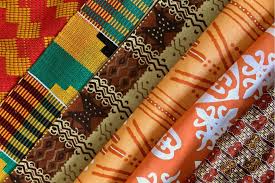
Fashion in Africa has always been more than just clothing it is a living archive of culture, identity, and social meaning. From intricately woven textiles to ceremonial robes, African dress communicates heritage, social roles, and values. Understanding why Fashion Is a Core Part of African History means appreciating how garments carry meaning, record memory, and reflect the dynamic interplay between tradition and change. African fashion is not an afterthought; it is fundamental to how communities have expressed themselves for centuries long before modern fashion industries existed.
1. Fashion as Identity: Communication Through Clothing
For many African societies, clothing was not merely decorative it was a visual language of identity, status, and community. Before written records, garments communicated who a person was and where they belonged. Distinctive fabrics and styles were used to declare clan affiliation, age group, or social position. For example, the Yoruba Aso Oke cloth, traditionally woven by hand for special occasions, served as both a marker of prestige and a means of social communication within communities. (Wikipedia)
The idea that Fashion Is a Core Part of African History becomes especially clear when studying garments like Ghana’s Kente cloth, where every color, pattern, and weave carries symbolic meaning tied to proverbs, historical events, or ethical values. (LachyCouture) This visual language served as a tangible identity document long before modern documentation systems emerged.

2. Textiles as Culture: Stories Woven in Cloth
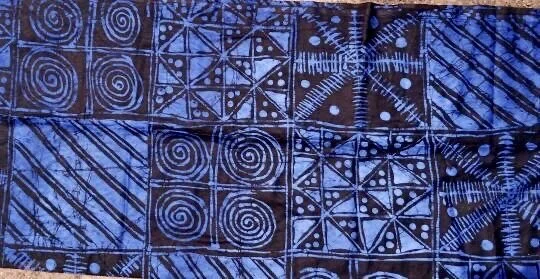
African textiles are not passive materials they are storytellers. Across the continent, cloth types such as West Africa’s bogolanfini (mud cloth), Ghana’s Kente, and Nigeria’s Adire carry narratives woven into their creation. In Mali, bogolanfini patterns have historically communicated social roles and cultural symbolism based on motifs dyed with fermented mud. (Lola App)
This tradition reinforces that Fashion Is a Core Part of African History because textiles serve as both memory and message. They preserve oral histories, encode societal values, and act as ceremonial symbols. In many communities, these fabrics are important in rites of passage like births, marriages, and funerals each textile and arrangement representing continuity with the past. (Kahawatungu)
3. Ceremonial Dress: Rituals, Power, and Expression
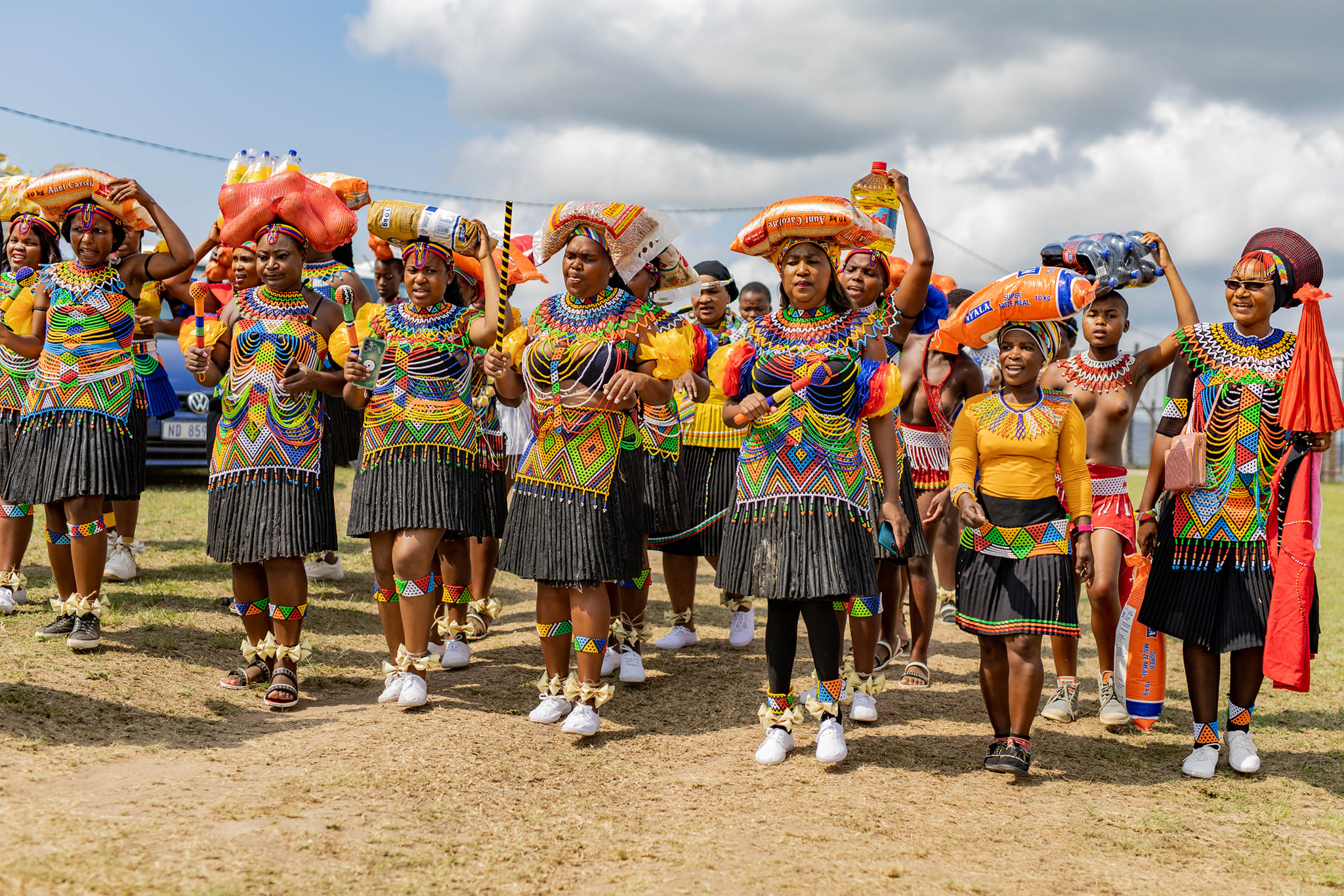
In countless African cultures, clothing plays a central role in rituals and ceremonies. Whether worn for initiation rites, religious festivals, or community gatherings, ceremonial attire expresses spiritual beliefs and social functions. In Zulu culture, beaded accessories signify a woman’s marital status, with bead colors and patterns communicating personal information visually. (Afriklens)
Similarly, Aso Ebi a Yoruba tradition where family members wear coordinated outfits during social events demonstrates how Fashion Is a Core Part of African History by reinforcing community bonds and shared identity. (Wikipedia) These traditions highlight that clothing is deeply embedded in cultural memory and ceremonial life, not simply aesthetic preference.
4. Cloth and Power: Royalty and Social Hierarchy
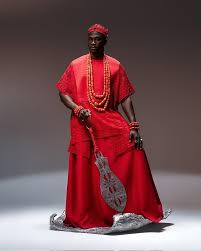
In many African kingdoms and city-states, clothing signified political and social power. Royal families and elites used distinctive textiles to assert their authority and heritage. In West Africa, flowing robes like the boubou became symbols of prestige among ruling classes and traders, especially as Islamic influence and trans-Saharan commerce expanded in the 14th century. (Wikipedia)
These garments showed that Fashion Is a Core Part of African History not just socially but politically. Elite attire was intentionally distinct from everyday clothing and used to convey leadership, wealth, and cultural standing, reinforcing the social hierarchy within societies.
5. Resilience and Adaptation: Fashion Through Contact and Change
Even during periods of external influence and disruption such as colonization African fashion did not disappear. Instead, it adapted and resisted. Imported textiles like Dutch Wax Prints were embraced, renamed, and imbued with local cultural significance, transforming foreign goods into symbols of African pride. (Lola App)
This adaptive process confirms that Fashion Is a Core Part of African History because it reflects not passive acceptance but cultural negotiation. Africans blended new materials with traditional aesthetics, preserving core identity while innovating. This adaptability helped fashion become an expression of both resistance and continuity.
6. Fashion and Social Change: From Pre-Colonial Times to Today
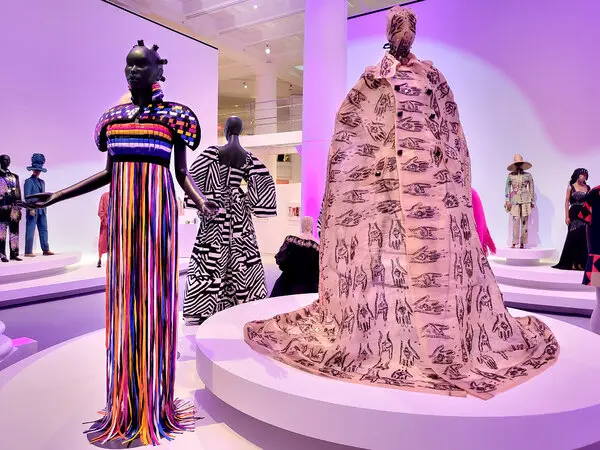
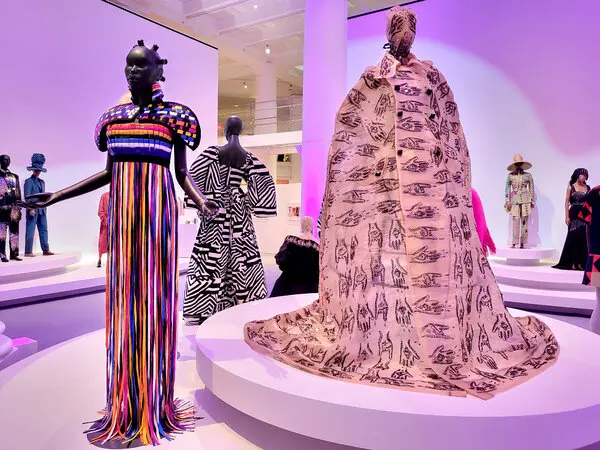
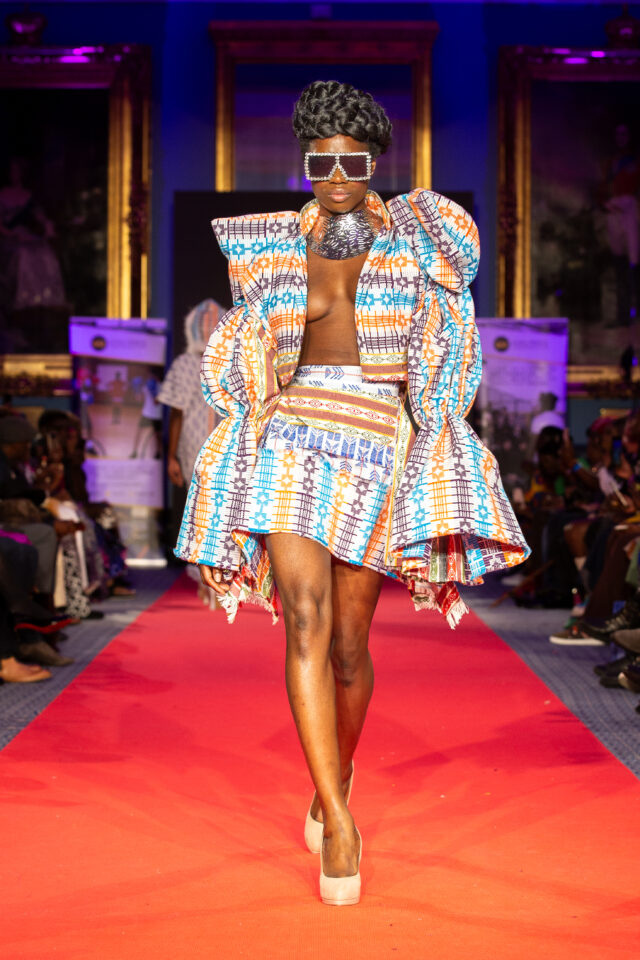
Through history, fashion in Africa has been used to address social issues. Contemporary designers, such as Nigeria’s Amaka Osakwe of Maki Oh, intentionally use traditional techniques like Adire in modern designs that speak to gender, identity, and societal norms proving that style remains connected to narrative and commentary. (The New Yorker)
The modern global rise of African fashion from streetwear to couture underscores that Fashion Is a Core Part of African History as well as a continuing cultural force. Designers draw on ancestral knowledge, transforming it into compelling contemporary expressions. South African designer Thebe Magugu’s use of Basotho textiles, for example, demonstrates how traditional elements can carry personal and community narratives into global fashion arenas. (Vogue)
7. Global Recognition: African Fashion on the World Stage
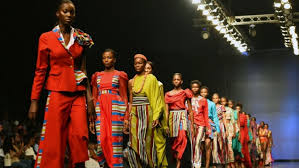
African fashion’s influence is no longer confined to the continent. Global fashion events and designers now incorporate African textiles, motifs, and philosophies into broader trends. At high-profile venues such as the Met Gala and Paris fashion shows, elements of African heritage are celebrated, reflecting a broader acknowledgment that Fashion Is a Core Part of African History that contributes to global style narratives. (The Guardian)
Traditional craftsmanship and cultural aesthetics are increasingly recognized as foundations of contemporary creativity, and this global visibility reinforces the historical and cultural relevance of African fashion.
Conclusion
Fashion Is a Core Part of African History because it is deeply entwined with identity, memory, politics, ritual, and resilience. From royal courts to everyday markets, textiles and clothing have served as mediums of communication, markers of belonging, and instruments of cultural continuity. Long before colonial borders, fashion in Africa was already a rich, complex system of expression and today it remains a vibrant, evolving testament to the continent’s cultural legacy.
African fashion is not merely stylistic; it is historic, symbolic, and essential to understanding the continent’s past and present. Through garments and textiles, Africa continues to tell its own story one thread at a time.