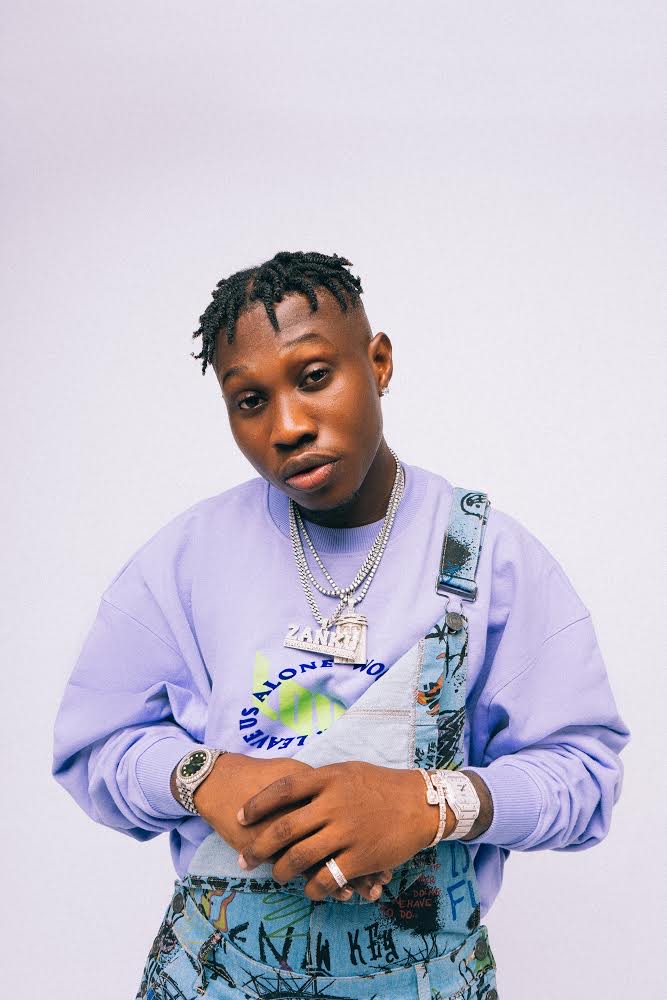
Lagos — Nigerian rapper and songwriter Zlatan Ibile has revealed that a failed mathematics exam played a pivotal role in launching his music career.
The 30-year-old, whose real name is Omoniyi Temidayo Raphael, disclosed in a recent interview on Apple Music’s Africa Now Radio that his aspirations to attend university in 2011/12 were derailed after he failed both mathematics and accounting. (TheCable Lifestyle)
“I was supposed to go to university in 2011/12, but I did not have my complete papers. I failed mathematics and accounting, so I could not go to school that year.” — Zlatan (TheCable Lifestyle)
The unexpected turn to music
With a year waiting period before reapplying for school, Zlatan found himself with unexpected time on his hands. A childhood church-boy and drummer (his father is a pastor), he joined a friend in a recording session and recorded a track for the first time. He admitted that his first attempt “didn’t make sense” but that his siblings encouraged him. (Premium Times Nigeria)
“When I went back home and I played it for all my siblings, and they started making me feel like Jay-Z that day.” — Zlatan (TheCable Lifestyle)
He then enrolled in university and during his first semester entered a campus talent show — a competition he won, reportedly earning a car despite having only a few rough tracks at the time. (Premium Times Nigeria)
Why this matters
Zlatan’s story highlights how setbacks can become opportunities for new directions — from academic challenge to creative breakthrough.
For the Nigerian music industry, his path underscores how non-traditional routes (church music background, informal studios) remain important in discovering talent.
For young people facing academic disappointments, his experience may serve as a source of inspiration: one door closes, another may open.
What’s next for Zlatan
Zlatan continues to build his career, and the interview suggests he views his success as part of a broader “symbol of hope” for youth from his background. (AmeyawDebrah.com) For example, he reflected on how his rise is relatable to many students, creatives, and young Nigerians who feel sidelined.