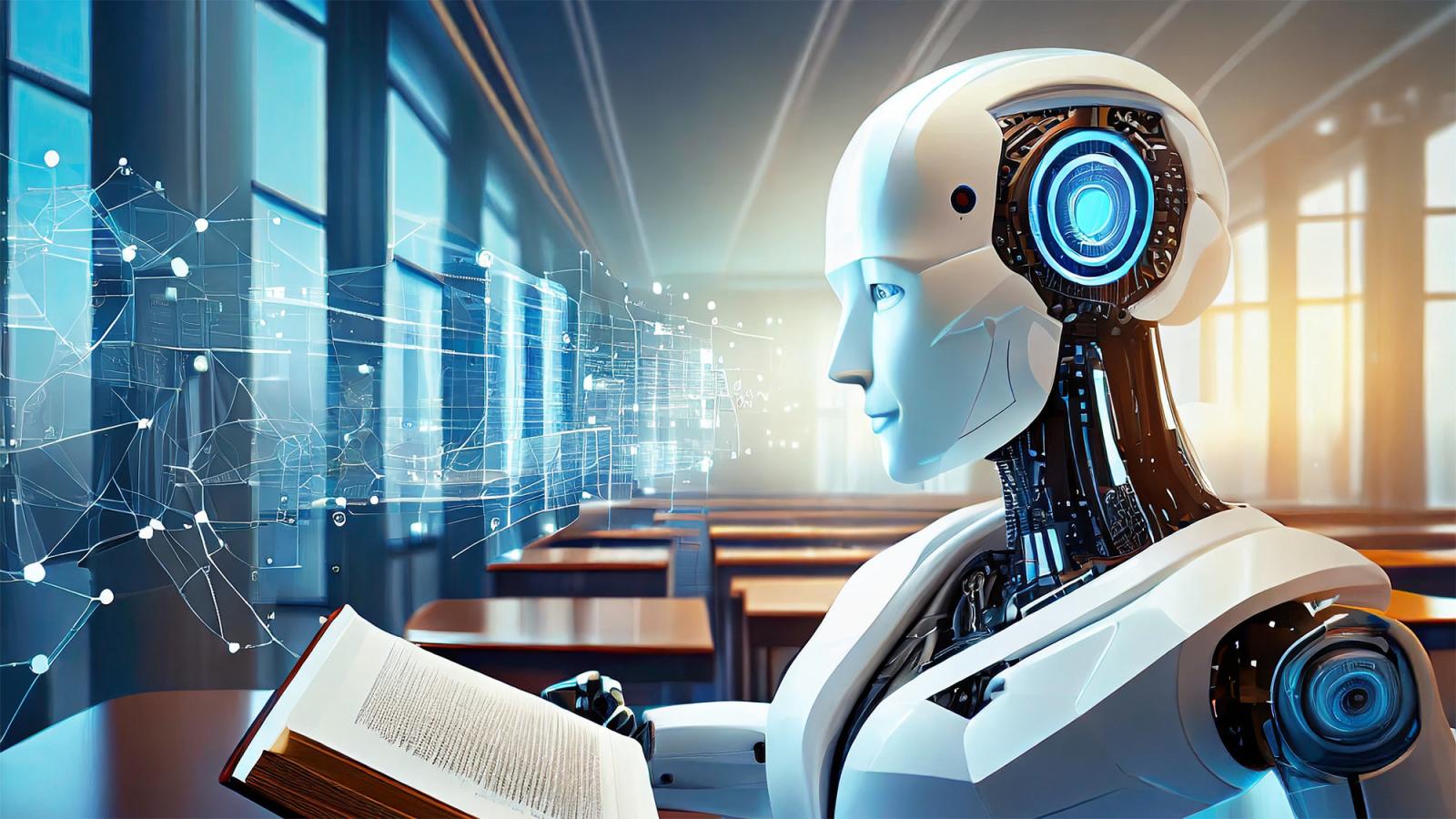
Artificial intelligence has moved from the margins of education into its very core. From adaptive learning platforms to automated grading systems, AI is transforming classrooms in ways that were unimaginable a decade ago. The question we face today is not whether AI should be part of education, but how we can harness its power without losing sight of the human values that make learning meaningful.
The Promise of AI in Learning
AI offers extraordinary opportunities to personalize education. Tools can analyze student performance in real time, identifying strengths and weaknesses and tailoring lessons accordingly. A struggling math student can receive targeted practice problems, while a gifted writer can be challenged with advanced prompts. This kind of individualized instruction, once the dream of progressive educators, is now within reach.
Beyond personalization, AI can free teachers from repetitive administrative tasks. Automated grading, attendance tracking, and even lesson planning can give educators more time to focus on what matters most: mentoring, inspiring, and guiding students. As one recent survey of U.S. educators noted, optimism about AI is growing, with many seeing it as a way to enhance—not replace—their role discover.carnegielearning.com New York Institute of Technology.
The Perils We Must Confront
Yet the risks are real. AI systems can reinforce biases if trained on flawed data, widening inequalities rather than closing them. Privacy concerns loom large, as student data becomes a valuable commodity. And perhaps most pressing, the temptation to misuse AI—whether through plagiarism, cheating, or over-reliance on machine-generated answers—threatens the integrity of learning.
Universities, in particular, worry that AI could “kill higher education” by undermining the value of a degree. But as one op-ed argued, this fear is misplaced: banning AI is not the solution. Instead, institutions must teach students how to use AI responsibly, much as they once taught research skills in the age of the internet New York Institute of Technology.
The Path Forward
The way forward is neither blind adoption nor outright rejection. It is a balanced integration that combines technological innovation with ethical safeguards. Policymakers must establish clear guidelines on data privacy. Educators must be trained not only to use AI tools but to critically evaluate them. And students must learn that AI is a partner in their intellectual journey, not a shortcut to avoid effort.
Most importantly, we must remember that education is about more than efficiency. It is about curiosity, creativity, and human connection. AI can enhance these values, but it cannot replace them. The future of education will be shaped not by machines alone, but by the choices we make in deploying them.