Nigeria’s federal government has rejected the designation of the country as a “country of particular concern” by U.S. President Donald Trump, calling it unjustified and politically motivated.
Background
The U.S. government’s designation of Nigeria as a “country of particular concern” has reignited diplomatic tensions between Washington and Abuja. The label, which carries potential economic and political consequences, is reserved for nations accused of severe violations of religious freedom. Nigeria’s inclusion on the list has drawn sharp criticism from officials and civil society groups, who argue that the decision overlooks recent reforms and misrepresents the country’s complex religious landscape.
Nigeria’s Response
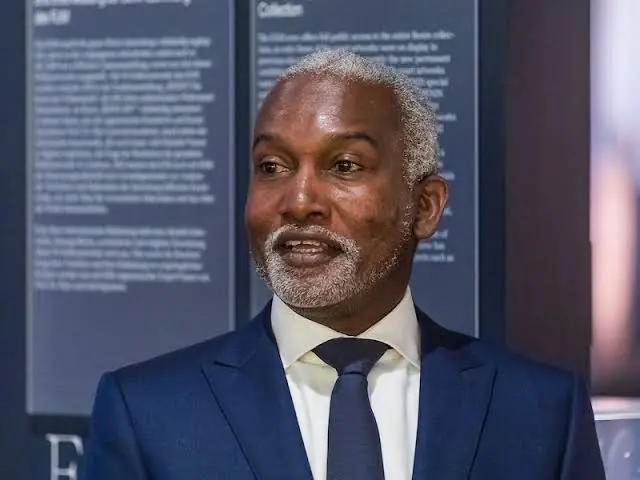
Foreign Affairs Minister Yusuf Tuggar stated that Nigeria’s placement on the list was “based on outdated narratives and selective reporting.” He emphasized that the country’s constitution guarantees freedom of worship and that both Christian and Muslim communities coexist peacefully in most regions. The government also pointed to recent interfaith initiatives and legal reforms aimed at curbing religious discrimination.
“The Federal Government of Nigeria notes the recent remarks by US President Donald Trump alleging large-scale killings of Christians in Nigeria and calling for the country’s designation as a ‘Country of Particular Concern.’
“These claims do not reflect the situation on the ground. Nigerians of all faiths have long lived, worked, and worshipped together peacefully,” the ministry said.
Under the leadership of President Bola Tinubu, the statement continued, Nigeria “remains committed to fighting terrorism, strengthening interfaith harmony, and protecting the lives and rights of all its people.”
The ministry emphasised that Nigeria would “continue to engage constructively with the Government of the United States to deepen mutual understanding of regional dynamics and the country’s ongoing peace and security efforts.”
U.S. Justification and Implications
President Trump’s administration cited attacks on churches, religious profiling, and the failure to prosecute perpetrators of sectarian violence as reasons for the designation. The label could lead to sanctions, restrictions on military aid, and increased scrutiny of Nigeria’s human rights record. Advocacy groups like USCIRF (U.S. Commission on International Religious Freedom) have long pushed for Nigeria’s inclusion, citing incidents in Plateau, Kaduna, and Benue states.
Domestic and International Reactions
While some Nigerian religious leaders acknowledged ongoing challenges, many criticized the U.S. decision as one-sided. Analysts warn that the designation could strain diplomatic ties and complicate cooperation on counterterrorism, trade, and migration. Nigeria has vowed to engage with U.S. officials to seek a reversal and present evidence of progress.