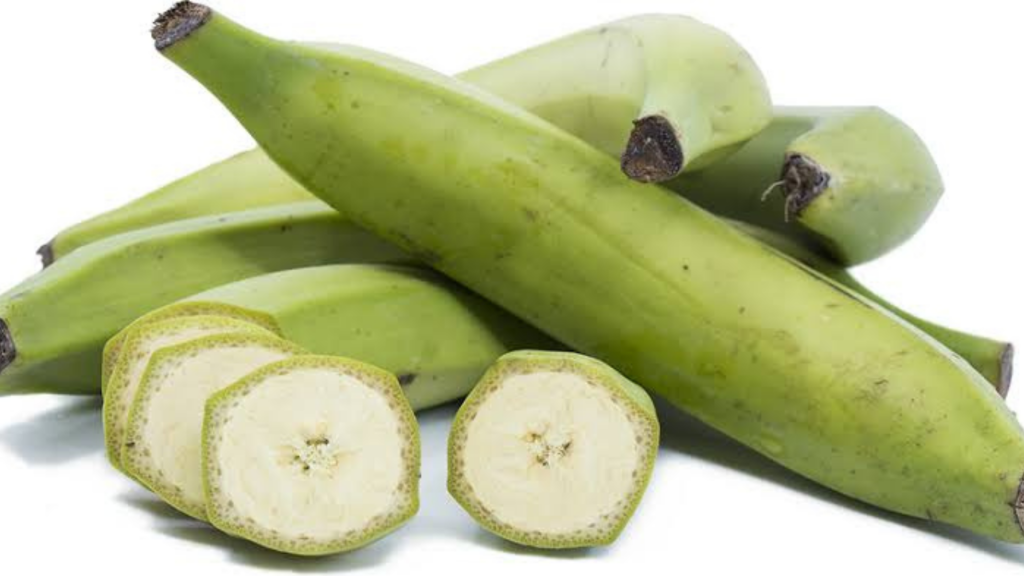
Unripe plantain, a staple in many tropical diets, is not only versatile in cooking but also rich in nutrients and compounds that promote health. Unlike ripe plantains, unripe ones are firm, starchy, and slightly bitter, which contributes to their unique nutritional profile. Here are some of the most notable health benefits:
1. Supports Digestive Health
Unripe plantains are rich in dietary fiber, especially resistant starch, which acts as a prebiotic. This feeds healthy gut bacteria, improves bowel regularity, and can prevent constipation and other digestive disorders.
2. Helps Manage Blood Sugar
The resistant starch in unripe plantains slows down glucose absorption in the intestines, helping stabilize blood sugar levels. This makes it a beneficial food for people with diabetes or insulin resistance.
3. Promotes Heart Health
Unripe plantains contain potassium and magnesium, minerals that help regulate blood pressure and support cardiovascular health. Adequate potassium intake is linked to a lower risk of heart disease and stroke.
4. Aids Weight Management
Because of their high fiber content, unripe plantains promote a feeling of fullness, which can reduce overeating. The slow-digesting carbohydrates also provide steady energy without spikes in blood sugar.
5. Boosts Immunity
Unripe plantains are a good source of vitamin C and other antioxidants, which help strengthen the immune system, fight free radicals, and reduce inflammation.
6. Supports Bone Health
The magnesium, calcium, and vitamin C in unripe plantains contribute to strong bones and teeth, and help in collagen formation, which is vital for connective tissues.
7. Improves Eye Health
Although lower in carotenoids than ripe plantains, unripe plantains still contain vitamin A precursors, which support vision and eye health.
How to Incorporate Unripe Plantain
Boiled or steamed as a side dish
Fried as plantain chips (preferably in minimal oil)
Mashed or added to soups and stews
Sources
Nigerian Institute of Medical Research nutritional studies
World Health Organization dietary guidelines
Nutrition journals on resistant starch and metabolic health
Food science research on tropical fruits and starchy staples